30-Day Blueprint for Lasting Habit Transformation
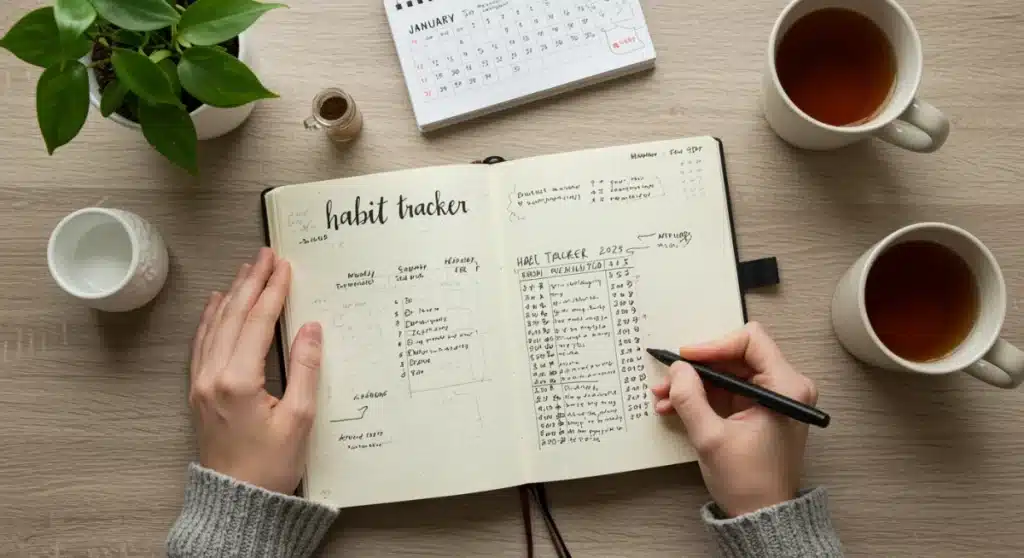
This guide offers a practical, step-by-step 30-day blueprint for building better habits, ensuring sustainable personal transformation and a more intentional life starting in January 2025.
Are you ready to embark on a journey of profound personal growth? Starting January 2025, our 30-day habit blueprint offers a structured, actionable path to cultivate positive routines and shed counterproductive ones, paving the way for a truly transformed life.
Understanding the science of habit formation
Before diving into the practical steps of our 30-day blueprint, it’s crucial to grasp the underlying science of how habits are formed. Habits aren’t just random actions; they are neurological shortcuts our brains create to conserve energy. This understanding empowers us to intentionally design our routines.
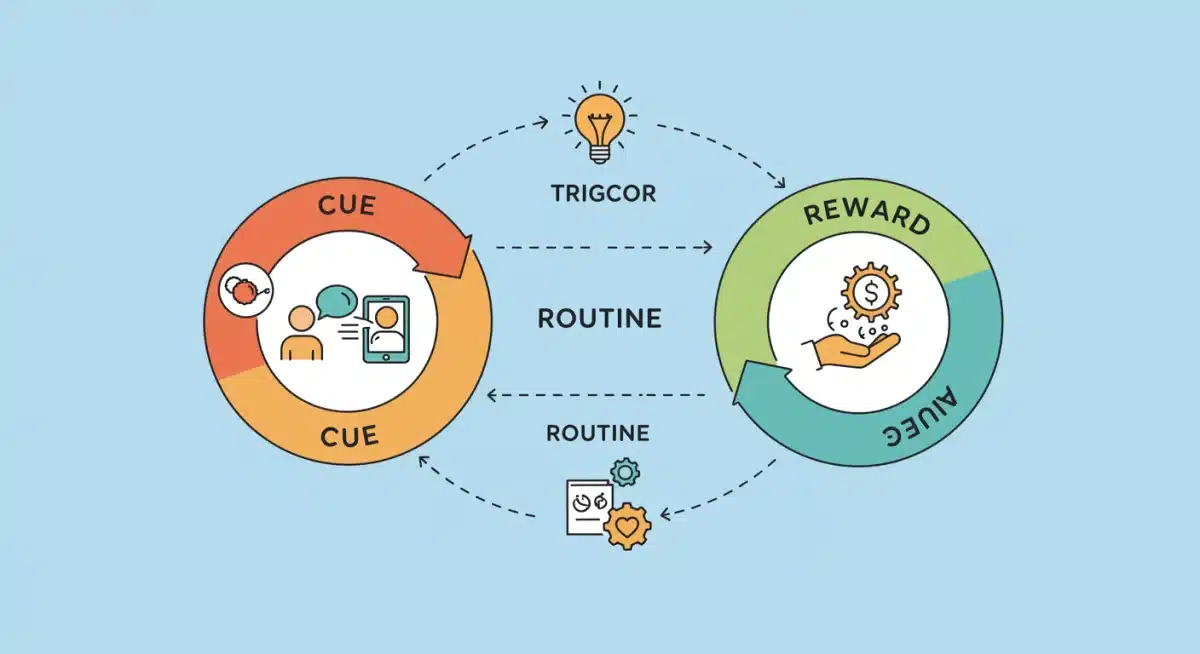
The core of habit formation lies in what is often called the ‘habit loop,’ a concept popularized by Charles Duhigg. This loop consists of three key components that, once understood, can be leveraged to your advantage.
The habit loop: cue, routine, reward
- Cue: This is the trigger that tells your brain to go into automatic mode and which habit to use. It could be a time of day, a location, an emotion, other people, or an immediately preceding action.
- Routine: This is the habit itself – the physical, mental, or emotional action you take. It’s the behavior you want to change or establish.
- Reward: This is the positive outcome that your brain craves. It helps your brain determine if this particular loop is worth remembering for the future. The reward reinforces the routine.
By consciously identifying these elements in both desirable and undesirable habits, you gain the power to intervene. For instance, if your cue is stress, and your routine is reaching for unhealthy snacks, understanding the reward (comfort) allows you to seek healthier alternatives that provide a similar benefit. This foundational knowledge is the bedrock upon which our 30-day plan is built, ensuring that your efforts are not just about willpower, but about intelligent design.
Grasping the habit loop is more than just academic; it’s a practical tool. It allows you to deconstruct existing patterns and construct new ones with intention. This systematic approach increases the likelihood of success in your personal transformation journey, making your efforts more effective and sustainable.
Setting clear intentions and realistic goals
The success of any transformation begins with clarity. Without a clear vision of what you want to achieve, your efforts can quickly become scattered and ineffective. This initial phase of our 30-day blueprint focuses on defining your aspirations with precision.
Many people fail at habit building not due to lack of motivation, but due to fuzzy goals. Saying “I want to be healthier” is a good start, but it lacks the actionable detail needed for consistent progress. Instead, we encourage a more refined approach.
Defining your ‘why’ and specific habits
- Identify your core motivation: Why do you want to build this habit? Is it for better sleep, increased energy, career advancement, or improved relationships? Connecting to a deeper ‘why’ provides resilience when motivation wanes.
- Be specific: Instead of “exercise more,” aim for “exercise for 30 minutes, three times a week.” Instead of “eat better,” try “eat a serving of vegetables with every dinner.” Specificity makes tracking and achievement tangible.
- Start small: Overambitious goals often lead to burnout. Begin with habits that feel almost too easy. For example, if you want to read more, start with “read one page before bed” instead of “read a chapter every night.” Small wins build momentum and confidence.
This phase isn’t just about listing habits; it’s about connecting them to your larger life vision. When you understand the purpose behind each habit, it ceases to be a chore and becomes a stepping stone towards your desired future. Realistic goal setting prevents discouragement and fosters a sense of accomplishment, propelling you forward through the 30 days and beyond.
Establishing clear intentions and realistic goals is the compass for your journey. It ensures that every step you take is in the right direction, aligned with your ultimate vision for personal transformation. This deliberate planning phase sets the stage for sustainable change.
Structuring your 30-day habit blueprint
With your intentions clear, the next step is to structure your 30-day journey. This blueprint isn’t about rigid adherence but about creating a supportive framework that encourages consistency and adaptability. January 2025 offers a clean slate, a perfect time to implement this structure.
A well-structured plan helps to break down overwhelming goals into manageable daily actions. It provides a roadmap, reducing decision fatigue and increasing the likelihood that you’ll stick with your new habits.
Weekly focus and daily implementation
Divide your 30 days into four distinct weeks, each with a specific focus. This allows for a gradual introduction of new habits and provides opportunities for reflection and adjustment. Don’t try to change everything at once.
- Week 1: Foundation and awareness. Focus on identifying current cues and routines. Choose one or two small, foundational habits to implement, like drinking a glass of water first thing in the morning or taking a 5-minute walk.
- Week 2: Stacking and environmental design. Introduce habit stacking, linking new habits to existing ones. Optimize your environment to make desired habits easier and undesired ones harder. For example, lay out your workout clothes the night before.
- Week 3: Consistency and overcoming obstacles. Pay close attention to consistency. Identify common obstacles and brainstorm solutions. This is where resilience is built. Practice self-compassion if you miss a day; just get back on track.
- Week 4: Integration and celebration. By now, your new habits should feel more natural. Focus on integrating them seamlessly into your daily life. Celebrate your progress and reflect on what you’ve learned.
Daily implementation involves creating a habit tracker, either digital or physical, to monitor your progress. Seeing your streaks grow can be incredibly motivating. Remember, the goal is not perfection, but consistent effort and adaptation. This structured approach transforms abstract goals into concrete, daily actions, making the journey feel achievable and rewarding.
By breaking down the 30 days into focused weeks, you create a dynamic and manageable system. This structure ensures that your habit-building efforts are deliberate, progressive, and ultimately, more successful in fostering lasting change.
Leveraging habit stacking and environmental design
Two powerful strategies for embedding new habits into your routine are habit stacking and environmental design. These techniques work by minimizing the friction associated with starting a new behavior, making it almost effortless to integrate into your daily life.
Instead of relying solely on willpower, which can fluctuate, these methods create systems that support your goals. They acknowledge that our environment and existing routines play a significant role in determining our actions.
Making good habits inevitable and bad habits impossible
Habit stacking involves attaching a new desired behavior to an existing, established habit. The formula is simple: “After [current habit], I will [new habit].” This leverages the momentum of an already automatic action.
- Example of habit stacking: After I pour my morning coffee, I will meditate for five minutes. After I finish dinner, I will wash one dish immediately. This creates a chain reaction, making the new habit feel like a natural extension of an old one.
Environmental design, or ‘architecture,’ focuses on modifying your surroundings to make positive behaviors easier and negative ones harder. It’s about consciously shaping your world to support your aspirations.
- Optimizing your environment: If you want to eat healthier, keep fruits and vegetables visible and easily accessible, and hide unhealthy snacks. If you want to exercise, lay out your workout clothes the night before. If you want to read more, keep a book on your bedside table instead of your phone.
- Reducing friction for desired habits: The easier a habit is to start, the more likely you are to do it. Remove any barriers that stand between you and your desired action.
- Increasing friction for undesired habits: Make it harder to engage in behaviors you want to stop. For instance, store your phone in a different room if you want to reduce screen time before bed.
By strategically applying habit stacking and environmental design, you create a powerful synergy that propels you towards your goals. These aren’t just tricks; they are fundamental principles of behavioral psychology that make habit formation less about struggle and more about intelligent system creation. They allow your environment to work for you, not against you, fostering lasting change.
Implementing these strategies during your 30-day blueprint will significantly boost your success rate. They transform the effort of habit building into an almost automatic process, integrating new behaviors seamlessly into your life.
Tracking progress and celebrating small wins
Consistent progress tracking and acknowledging small victories are vital components of sustainable habit formation. Without these, motivation can wane, and the long-term vision might feel too distant. This section emphasizes the importance of both quantitative and qualitative assessment of your journey.
Tracking provides tangible evidence of your efforts, which can be incredibly motivating. It also offers valuable insights into what’s working and what needs adjustment. Celebration, no matter how small, reinforces the positive behavior and makes the process more enjoyable.
Visualizing success and maintaining momentum
Using a habit tracker is a simple yet effective way to monitor your daily consistency. Whether it’s a physical calendar where you mark off each day you complete a habit, or a digital app, the visual representation of your progress is powerful.
- The power of the streak: Seeing a growing chain of completed habits can create a strong incentive to maintain the streak. It’s a visual testament to your dedication and effort.
- Learning from missed days: Don’t view a missed day as a failure. Instead, use it as an opportunity to analyze what went wrong and how you can prevent it in the future. The goal is never to miss twice in a row.
Equally important is the act of celebrating your small wins. These aren’t necessarily grand gestures but can be simple acknowledgments that reinforce the positive feelings associated with your new habits.
- Internal rewards: Take a moment to acknowledge your effort. Feel the satisfaction of completing a challenging task or sticking to your plan.
- Tiny external rewards: Treat yourself to something small and non-detrimental to your goals, like listening to your favorite song after a workout, enjoying a special tea after meditation, or taking a few minutes to read a fun article after completing a work task.
These celebrations act as immediate rewards, closing the habit loop and signaling to your brain that this behavior is worth repeating. They transform the often-arduous process of habit building into a series of gratifying experiences, making the 30-day journey not just effective but also enjoyable. This continuous feedback loop of action, tracking, and celebration is what sustains momentum and reinforces positive change.
By diligently tracking your progress and consciously celebrating every step forward, you build a powerful system of reinforcement. This approach keeps you engaged, motivated, and on track to achieve lasting personal transformation through your 30-day habit blueprint.
Overcoming setbacks and maintaining motivation
The path to lasting change is rarely linear; setbacks are an inevitable part of the process. How you respond to these moments of challenge largely determines your ultimate success. Our 30-day blueprint acknowledges this reality and equips you with strategies to navigate difficulties and sustain motivation.
It’s easy to feel discouraged when you miss a day or revert to old patterns. However, viewing setbacks not as failures but as learning opportunities is crucial for long-term consistency. Resilience is built in these moments.
Strategies for resilience and consistent effort
One of the most important concepts to embrace is the “never miss twice” rule. If you miss a day, don’t let it derail your entire effort. Get back on track the very next day. Consistency over perfection is the mantra.
- Reframe setbacks: Instead of thinking, “I failed,” think, “What did I learn from this? What made me miss today?” Use the information to adjust your strategy.
- Practice self-compassion: Be kind to yourself. Habit building is hard work, and everyone has off days. Harsh self-criticism only makes it harder to get back on track.
- Revisit your ‘why’: When motivation dips, reconnect with your core reasons for wanting to build these habits. Remind yourself of the bigger picture and the future you are working towards.
Another effective strategy is to have an accountability partner or a support system. Sharing your goals with someone can provide an extra layer of motivation and encouragement.
- Accountability partner: A friend, family member, or colleague with similar goals can provide mutual support, check-ins, and encouragement.
- Community support: Join online forums or local groups focused on personal growth or specific habits. The sense of belonging and shared journey can be incredibly empowering.
Anticipating potential obstacles and having a plan for them can also prevent derailment. For example, if you know a busy travel period is coming, plan for smaller, more manageable versions of your habits during that time. This proactive approach helps maintain continuity even when circumstances change. By developing resilience and having a robust support system, you transform temporary setbacks into minor detours, ensuring that your 30-day habit blueprint leads to truly lasting personal transformation.
Effectively navigating setbacks and consistently nurturing your motivation are key to solidifying new behaviors. These strategies ensure that your journey through the 30-day blueprint is not only productive but also sustainable, fostering enduring change.
Sustaining habits beyond the 30-day mark
Completing the 30-day blueprint is a significant achievement, but the ultimate goal is to ensure these new behaviors become deeply ingrained, lasting parts of your life. The transition from a structured 30-day challenge to effortless, everyday habits requires conscious effort and strategic integration.
Many people find that while they can maintain new habits during a challenge, they struggle once the initial structure and novelty wear off. This phase focuses on solidifying your progress and making these habits truly second nature.
Integrating habits into your identity and lifestyle
- Identity-based habits: Focus on who you want to become, not just what you want to achieve. If you want to read more, think of yourself as a reader. If you want to eat healthier, identify as a healthy eater.
- Continuous refinement: After 30 days, your habits may still require minor adjustments. Continuously seek ways to make them more efficient, enjoyable, or better suited to your evolving lifestyle.
Regular review and reflection also play a critical role in long-term maintenance. Periodically assess your progress, celebrate your long-term achievements, and identify any habits that might be slipping.
- Scheduled reviews: Set aside time monthly or quarterly to review your habits. Are they still serving you? Do any need to be modified or replaced?
- Building new challenges: Once certain habits are firmly established, you can begin to layer on new ones, using the same principles from your initial 30-day blueprint. This keeps the personal growth journey dynamic and engaging.
The journey of personal transformation is ongoing. By consciously integrating your new habits into your identity and establishing systems for continuous review and growth, you ensure that the efforts of your 30-day blueprint lead to a lifetime of positive change. This is not just about adopting new behaviors but about evolving into the best version of yourself, consistently and sustainably.
Moving beyond the initial 30 days requires intentionality and a shift in mindset. By embracing your new habits as part of your identity and committing to ongoing refinement, you ensure that the transformation you began in January 2025 endures for years to come.
| Key Blueprint Stage | Brief Description |
|---|---|
| Understand Habit Loop | Grasp cue, routine, reward to intentionally design habits. |
| Set Clear Goals | Define specific, realistic habits linked to your ‘why’ for clarity. |
| Implement Strategies | Use habit stacking and environmental design for effortless integration. |
| Sustain Beyond 30 Days | Integrate habits into identity and perform regular reviews for longevity. |
Frequently asked questions about habit building
While the ’30-day’ concept is popular, research suggests the actual time can vary significantly, from 18 to 254 days, with an average of 66 days for a new behavior to become automatic. Consistency is more important than the exact duration, but a 30-day challenge provides a strong foundation.
Missing a day is a normal part of the process and not a sign of failure. The key is to avoid missing two days in a row. Acknowledge the slip, learn from it, and recommit to your habit the very next day. Self-compassion is crucial for long-term success.
It’s generally recommended to focus on one or two new habits at a time, especially when starting. Overwhelming yourself with too many changes can lead to burnout and abandonment of all habits. Once a habit feels automatic, you can gradually introduce another.
Environmental design makes desired behaviors easier to perform and undesired ones harder. By strategically arranging your surroundings (e.g., placing healthy snacks within reach, hiding your phone), you reduce reliance on willpower and increase the likelihood of sticking to your habits naturally.
Rewards close the habit loop, signaling to your brain that the action was worthwhile and should be repeated. Immediate, positive reinforcement makes the habit more appealing and reinforces the neural pathways associated with it, helping to solidify the behavior over time.
Conclusion
Embarking on a journey to build better habits is a powerful commitment to personal growth and lasting transformation. The 30-day blueprint provided here, designed to kick off in January 2025, offers a clear, actionable path to cultivate positive routines and shed those that no longer serve you. By understanding the science of habit formation, setting clear intentions, structuring your approach, leveraging smart strategies like habit stacking, and navigating setbacks with resilience, you are well-equipped to make profound, sustainable changes. Remember, this is not merely about completing a challenge, but about integrating these new behaviors into your identity, transforming not just what you do, but who you are. The journey towards a more intentional and fulfilling life begins with a single, deliberate step, consistently taken.