Mindfulness Apps 2025: Data-Backed Comparison for Stress Reduction

A data-backed comparison of the top three mindfulness apps in 2025 reveals significant advancements in personalized stress reduction, guided meditations, and biofeedback integration, offering diverse pathways to enhanced mental well-being.
In our increasingly demanding world, finding effective tools for stress reduction is paramount. Mindfulness apps in 2025 have evolved beyond simple meditation timers, becoming sophisticated platforms offering personalized programs, biometric integration, and community support. This article delves into a data-backed comparison of three leading platforms, helping you navigate the digital landscape of mental wellness.
The Evolution of Digital Mindfulness: What’s New in 2025?
The landscape of digital mindfulness has transformed dramatically, moving from basic guided meditations to highly sophisticated, AI-driven platforms. In 2025, these applications are no longer just supplementary tools; they are integral components of many individuals’ stress management routines. The focus has shifted towards personalized experiences, leveraging data analytics to tailor content that truly resonates with individual user needs and progress.
This evolution is driven by a deeper understanding of neuroplasticity and cognitive behavioral therapy principles, integrated seamlessly into user-friendly interfaces. Apps now offer more than just calming sounds; they provide structured programs designed to build resilience, improve focus, and cultivate emotional regulation. This sophisticated approach makes them more effective in addressing the complex nature of modern stress.
Personalization Through AI and Data
One of the most significant advancements is the integration of artificial intelligence to personalize the user journey. AI algorithms analyze user behavior, preferences, and even biometric data (when integrated with wearables) to recommend specific meditations, exercises, and mindfulness techniques. This ensures that the content delivered is maximally relevant and impactful for each individual.
- Adaptive Learning Paths: AI adjusts program difficulty and content based on user progress and feedback.
- Tailored Content Curation: Recommendations for meditations, sleep stories, and soundscapes are unique to each user.
- Biometric Integration: Some apps now connect with smartwatches to track heart rate variability, sleep patterns, and stress indicators, offering real-time feedback.
Enhanced User Engagement and Community Features
Beyond personalization, contemporary mindfulness apps prioritize user engagement through interactive features and community elements. Gamification, progress tracking, and social sharing options encourage consistent practice and provide a sense of achievement. Moreover, many platforms are fostering vibrant communities where users can share experiences, seek advice, and find support, transforming a solitary practice into a collective journey towards well-being.
The continuous innovation in this sector means that users in 2025 have access to tools that are not only effective but also deeply engaging, making consistent mindfulness practice more accessible and enjoyable than ever before. This blend of technology and psychological insight is setting new standards for digital stress reduction.
Platform 1: Calm – The Comprehensive Wellness Ecosystem
Calm has solidified its position as a leading mindfulness app, evolving into a holistic wellness ecosystem that caters to a broad spectrum of mental health needs. In 2025, its data-backed efficacy in stress reduction and sleep improvement continues to be a cornerstone of its appeal. The platform’s expansive library includes guided meditations, sleep stories, breathing exercises, stretching routines, and masterclasses, all designed to foster a sense of tranquility and inner peace.
What sets Calm apart is its commitment to evidence-based practices. Collaborations with renowned psychologists and mindfulness experts ensure that its content is not only engaging but also grounded in scientific research. This dedication to quality resonates with users seeking reliable and effective tools for managing their mental well-being.
Key Features and Efficacy Data
Calm’s offerings are diverse and meticulously crafted. Its ‘Daily Calm’ feature, a 10-minute guided meditation, remains a user favorite, providing a consistent anchor for daily practice. Sleep Stories, narrated by celebrities, have become a phenomenon, helping millions drift into restful sleep. Data consistently shows a significant positive impact on user-reported stress levels and sleep quality.
- Extensive Meditation Library: Thousands of guided meditations covering anxiety, stress, focus, and self-compassion.
- Sleep Stories: Over 200 soothing narratives to aid sleep, with new content added regularly.
- Masterclasses: In-depth audio programs on various mindfulness topics, taught by experts.
- Music and Soundscapes: Curated collections of calming music and natural sounds for relaxation and focus.
User Experience and Accessibility
The user interface of Calm is celebrated for its intuitive design and serene aesthetics, promoting a sense of calm from the moment the app is opened. Its accessibility features are also noteworthy, with adjustable text sizes, dark mode options, and compatibility with various devices. While a premium subscription unlocks the full suite of features, a selection of free content allows new users to experience its benefits before committing.
Calm’s continuous updates and responsive customer support further enhance its user experience, making it a reliable and pleasant companion for anyone on their mindfulness journey. Its comprehensive approach to well-being makes it a top contender for those seeking a robust and versatile app.
Platform 2: Headspace – The Guided Meditation Pioneer
Headspace, often credited with popularizing mindfulness meditation, continues to be a dominant force in the digital wellness space in 2025. Its signature approach, characterized by simple, friendly animations and accessible language, makes mindfulness less intimidating for beginners while offering advanced courses for seasoned practitioners. The app’s foundation is built on a clear, progressive learning path, guiding users through foundational techniques to more complex practices.
The efficacy of Headspace in reducing anxiety and improving focus is well-documented through numerous scientific studies. This commitment to research and validation distinguishes it as a trusted resource, particularly for those seeking a structured and scientifically-backed approach to meditation.
Core Offerings and Research-Backed Benefits
Headspace’s curriculum is structured around themed courses that address specific goals such as managing stress, improving sleep, or enhancing focus. Each course consists of a series of guided meditations, typically 10-20 minutes in length, designed to build skills incrementally. The app also features ‘SOS’ meditations for moments of acute stress and a growing library of movement and fitness content.
- Foundational Courses: Step-by-step introduction to meditation for beginners.
- Targeted Series: Programs on specific topics like anxiety, grief, and personal growth.
- Mindful Movement: Guided exercises for body awareness and gentle stretching.
- Sleep Aids: Sleepcasts, soundscapes, and wind-down exercises to promote restful sleep.
User Interface and Community Engagement
The visual design of Headspace is instantly recognizable, employing vibrant colors and engaging animations that make the learning process enjoyable. Its user interface is clean and straightforward, minimizing distractions and allowing users to easily navigate its extensive content library. Headspace also fosters a sense of community through its partnership programs with workplaces and educational institutions, facilitating collective well-being initiatives.
The app’s focus on making mindfulness approachable and its strong emphasis on scientific validation ensures its continued relevance and effectiveness in the competitive landscape of mindfulness apps. It remains a top choice for individuals looking for a clear, guided path to mental clarity and stress reduction.

Platform 3: Ten Percent Happier – Practical Mindfulness for Skeptics
Ten Percent Happier distinguishes itself by offering a more pragmatic and often humorous approach to mindfulness, specifically targeting those who might be skeptical of traditional meditation. Founded by journalist Dan Harris, the app provides access to a diverse roster of world-renowned meditation teachers, each offering unique perspectives and techniques. In 2025, its emphasis on real-world applicability and direct, no-nonsense guidance continues to resonate with a growing audience.
The platform’s strength lies in its ability to demystify mindfulness, presenting it not as a spiritual endeavor but as a practical skill for improving daily life. This approach, combined with its high-quality instructional content, makes it particularly effective for individuals seeking tangible results in stress reduction and emotional regulation.
Expert-Led Content and Unique Teaching Styles
Unlike apps with a single guiding voice, Ten Percent Happier offers a rich tapestry of teaching styles and approaches. Users can explore different teachers and find one whose method best aligns with their preferences. The app features extensive video and audio content, including guided meditations, talks, and Q&A sessions, covering a wide range of topics from managing difficult emotions to fostering compassion.
- Diverse Teacher Roster: Learn from a variety of respected mindfulness teachers.
- Practical Guides: Courses focused on applying mindfulness to everyday challenges.
- Video and Audio Talks: In-depth discussions on mindfulness philosophy and practice.
- Personalized Coaching: Some premium tiers offer access to live meditation coaches.
Bridging the Gap Between Practice and Daily Life
Ten Percent Happier excels at helping users integrate mindfulness into their busy lives. Its content often includes short, actionable tips and reflections that can be applied during work, commutes, or family interactions. The app’s conversational tone and emphasis on breaking down complex concepts into digestible insights make it highly approachable. Data indicates that users report significant improvements in stress resilience and a greater sense of calm in challenging situations.
For those who appreciate intellectual rigor and a straightforward, unpretentious path to mindfulness, Ten Percent Happier offers a compelling and effective solution. Its unique blend of expert instruction and practical application makes it a standout choice for pragmatic individuals.
Data-Backed Comparison: Features, Efficacy, and User Satisfaction
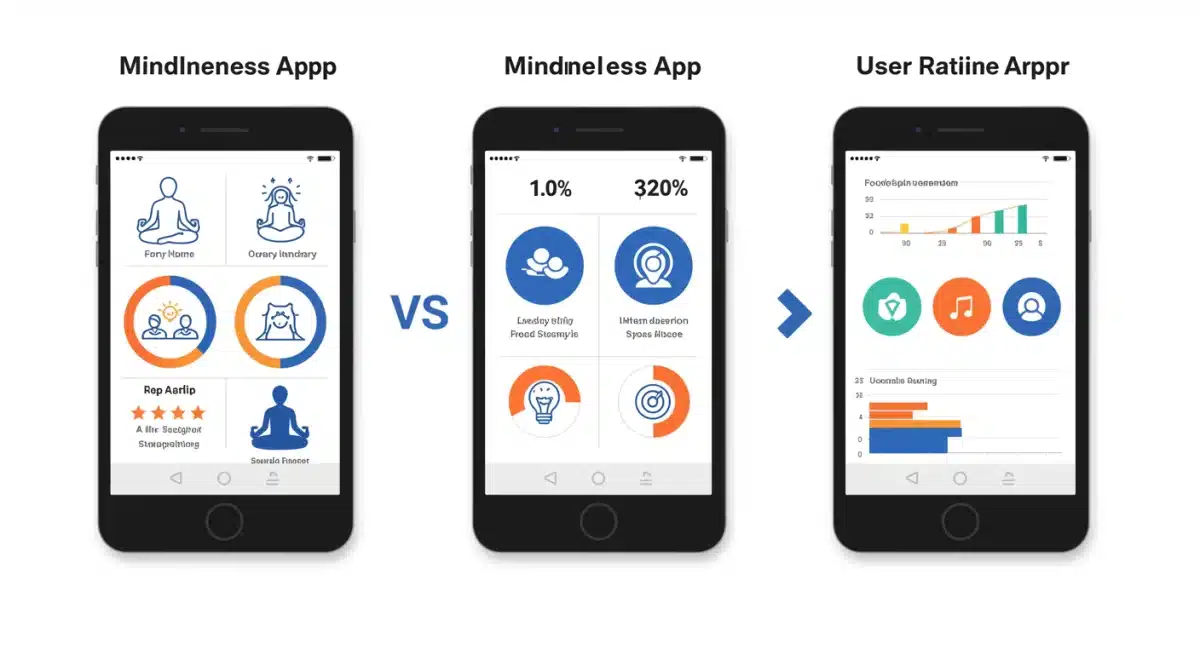
When evaluating mindfulness apps in 2025, a data-backed comparison reveals nuanced differences in their features, efficacy, and user satisfaction, guiding potential users toward the most suitable platform. While all three apps – Calm, Headspace, and Ten Percent Happier – aim to reduce stress and improve mental well-being, their methodologies and target audiences vary. This section synthesizes available data to provide a clearer picture of their respective strengths.
Efficacy studies consistently highlight the benefits across all three platforms, particularly in areas like anxiety reduction, sleep improvement, and enhanced emotional regulation. However, user reviews often point to specific aspects that make one app more appealing than another, such as the depth of content, teaching style, or community features. Understanding these distinctions is key to making an informed choice.
Comparative Analysis of Core Features
Calm stands out for its comprehensive wellness ecosystem, offering an extensive library of sleep stories and masterclasses alongside meditations. Headspace excels with its structured, progressive learning paths and engaging animated content, ideal for beginners. Ten Percent Happier provides a diverse range of expert teachers and a pragmatic approach, appealing to skeptics and those seeking intellectual depth.
- Content Variety: Calm offers the broadest range, including sleep, music, and masterclasses.
- Guided Learning: Headspace provides the most structured and progressive meditation courses.
- Teaching Diversity: Ten Percent Happier offers multiple teachers with varied approaches.
- Customization: All three incorporate some level of personalization, with Calm and Headspace leveraging AI more extensively.
Efficacy and User Satisfaction Metrics
Research indicates positive outcomes across the board. Studies on Calm users often report significant reductions in stress and improved sleep quality. Headspace has numerous peer-reviewed studies supporting its effectiveness in reducing anxiety and enhancing focus. Ten Percent Happier users frequently praise its practical applicability and the ability to integrate mindfulness into daily life, leading to increased overall well-being and resilience.
Choosing Your Ideal Mindfulness Companion in 2025
Selecting the ideal mindfulness app in 2025 involves more than just picking a popular name; it requires a thoughtful consideration of your personal needs, learning style, and specific mental wellness goals. The market offers a rich array of options, each with its unique strengths and approaches to fostering inner peace and reducing stress. Making an informed decision can significantly impact the effectiveness of your mindfulness journey.
Consider what truly motivates you to practice mindfulness. Are you seeking structured guidance, diverse content, or a more philosophical exploration of the practice? Your answers to these questions will help narrow down the choices and lead you to a platform that genuinely supports your path to well-being.
Factors to Consider for Personalized Selection
When embarking on your search for the perfect mindfulness app, several key factors should influence your decision. These range from the app’s content library and teaching methodology to its pricing structure and community features. A holistic evaluation ensures that the chosen platform aligns seamlessly with your lifestyle and expectations.
- Content and Variety: Do you prefer short, daily meditations or longer, in-depth courses? Look for apps with content that matches your attention span and learning preferences.
- Teaching Style: Some apps feature a singular, consistent voice, while others offer a multitude of teachers. Consider which approach resonates most with you.
- Personalization: Evaluate how well the app adapts to your progress and preferences, often through AI-driven recommendations.
- Cost and Value: Assess the subscription model against the features offered. Many apps provide free trials or limited free content to help you decide.
- User Interface: An intuitive and aesthetically pleasing design can significantly enhance your engagement and overall experience.
Long-Term Engagement and Support
Ultimately, the most effective mindfulness app is one you will consistently use. Therefore, consider factors that promote long-term engagement, such as progress tracking, community forums, or integration with other wellness tools. The ability to track your journey and connect with others can provide the motivation needed to maintain a consistent practice. Furthermore, responsive customer support and regular content updates ensure that the app remains a valuable resource over time.
By carefully weighing these considerations, you can confidently choose a mindfulness app that not only meets your immediate needs for stress reduction but also supports your sustained personal growth in mental well-being throughout 2025 and beyond. The right app can be a powerful ally in cultivating a calmer, more focused, and happier life.
| Key Aspect | Brief Description |
|---|---|
| Calm’s Strengths | Comprehensive wellness, sleep stories, masterclasses, broad content variety. |
| Headspace’s Focus | Structured learning, beginner-friendly, research-backed, engaging animations. |
| Ten Percent Happier’s Edge | Diverse expert teachers, pragmatic approach, practical application for skeptics. |
| Key Selection Criteria | Content variety, teaching style, personalization, cost, user interface for long-term engagement. |
Frequently Asked Questions About Mindfulness Apps in 2025
In 2025, mindfulness apps utilize AI to analyze user behavior, preferences, and sometimes biometric data from wearables. This allows them to recommend highly tailored meditations, exercises, and programs, ensuring content is relevant and effective for individual progress and specific mental wellness goals.
Many free mindfulness apps, or free tiers of premium apps, offer valuable resources for stress reduction, including basic guided meditations and breathing exercises. While premium versions often unlock more extensive libraries and advanced features, consistent use of free content can still yield significant benefits for mental well-being.
Calm is known for its serene aesthetic and comprehensive wellness ecosystem, offering extensive sleep stories and masterclasses. Headspace focuses on structured, progressive learning paths with engaging animations, making it particularly effective for meditation beginners and those who appreciate a clear, step-by-step approach to mindfulness.
Mindfulness apps are powerful tools for stress reduction and mental wellness, complementing traditional therapy effectively. However, they are generally not designed to replace professional psychological treatment for severe anxiety or other mental health conditions. Always consult a qualified healthcare professional for clinical diagnoses and treatment plans.
The diversity of teachers in an app like Ten Percent Happier is crucial as it allows users to explore various teaching styles and philosophical approaches to mindfulness. This enables individuals to find a mentor whose methods resonate best with their personal learning style and helps maintain engagement by offering fresh perspectives and content.
Conclusion
The landscape of mindfulness apps in 2025 offers an unprecedented array of tools for stress reduction and mental well-being. From Calm’s holistic ecosystem to Headspace’s structured learning and Ten Percent Happier’s pragmatic, expert-led approach, each platform presents unique advantages. The key to successful engagement lies in understanding your personal needs and aligning them with the app’s features, content, and teaching style. By making an informed choice, individuals can harness the power of digital mindfulness to cultivate greater peace, focus, and resilience in their daily lives, truly transforming their approach to mental health.