Cultivating Presence: 7 Zen Living Practices for a Calmer Home by 2026
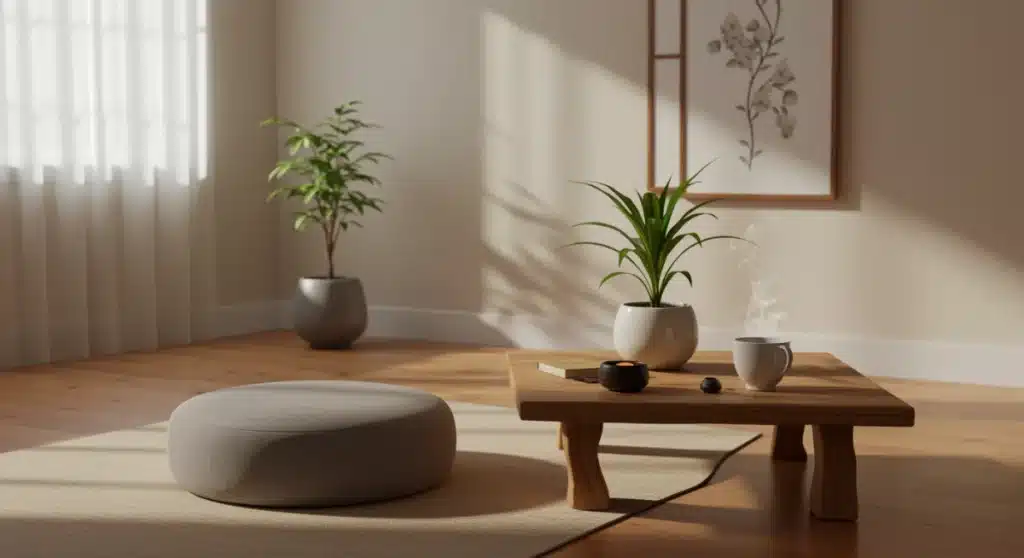
Implementing Zen Living Practices can profoundly transform your home into a haven of tranquility and mindfulness, fostering a deeper sense of presence and calm in your daily life by mid-2026.
In our increasingly fast-paced world, the quest for inner peace and a serene home environment has never been more relevant. Many are seeking ways to slow down, reconnect with themselves, and foster a sense of calm amidst the chaos. This is where Cultivating Presence: 7 Zen Living Practices for a Calmer Home Environment by Mid-2026 offers a transformative path. These practices, rooted in ancient wisdom yet perfectly suited for modern life, provide a blueprint for creating a sanctuary where mindfulness thrives and stress diminishes. Imagine returning to a home that not only shelters you but also nurtures your soul, promoting clarity and well-being. The journey to a more present and peaceful existence begins within the walls of your own home, making it a powerful foundation for personal growth and sustained tranquility.
Embracing intentional decluttering
Intentional decluttering is far more than just tidying up; it’s a deliberate act of creating space, both physically and mentally. Our homes often become repositories of forgotten items, each carrying a subtle energetic weight. By mindfully removing what no longer serves us, we open ourselves to greater clarity and reduce visual noise, which can significantly impact our mental state. This practice is foundational to Zen living, as it emphasizes simplicity and the value of essentials.
The philosophy of less is more
The concept of ‘less is more’ is at the heart of intentional decluttering. It encourages us to question the necessity and joy derived from each possession. Rather than focusing on what to get rid of, consider what you truly want to keep and what truly adds value to your life. This shift in perspective transforms decluttering from a chore into a liberating process.
- Evaluate with purpose: Before keeping an item, ask yourself if it brings joy, serves a practical purpose, or holds significant sentimental value.
- Create designated homes: Every item should have a specific place. This prevents clutter from accumulating and makes tidying effortless.
- Start small: Don’t overwhelm yourself. Begin with a single drawer or a small shelf, and gradually expand your efforts.
Beyond the immediate aesthetic benefits, decluttering promotes a sense of control and reduces decision fatigue. When your environment is orderly, your mind tends to follow suit, allowing for more focused thought and less distraction. This practice sets the stage for deeper engagement with other Zen principles, paving the way for a truly calmer home environment.
Mindful arrangement of living spaces
Once decluttered, the mindful arrangement of your living spaces becomes the next crucial step in cultivating a Zen home. This isn’t about rigid rules, but rather about creating an environment that flows harmoniously and supports your well-being. Every element, from furniture placement to the choice of decor, contributes to the overall energy and feeling of a room. Thought thoughtful arrangement can transform a chaotic space into a peaceful haven.
Principles of harmonious design
Harmonious design in Zen living emphasizes balance, simplicity, and connection to nature. It focuses on creating inviting pathways, balancing open spaces with comfortable seating, and ensuring that natural light is optimized. The goal is to create an atmosphere that feels expansive yet intimate, allowing for both solitude and connection.
- Optimal furniture placement: Arrange furniture to facilitate easy movement and conversation. Avoid blocking natural light or creating visual barriers.
- Embrace natural elements: Incorporate wood, stone, plants, and natural fibers to bring the calming essence of nature indoors.
- Balance and symmetry: While not strictly symmetrical, aim for a balanced visual weight within the room to create a sense of stability and calm.
A mindfully arranged space supports your daily routines and promotes relaxation. When your environment is thoughtfully curated, it reduces sensory overload and encourages a slower, more deliberate pace of life. This attention to detail in your home’s layout fosters a deeper connection to your surroundings and enhances overall tranquility.
Establishing a daily meditation corner
Creating a dedicated space for meditation is a powerful Zen practice that anchors your commitment to mindfulness. This isn’t about grandeur; it’s about intentionality. Even a small corner can become a sanctuary, signaling to your mind and body that this is a place for stillness and introspection. By mid-2026, having such a space will be a cornerstone of a truly calm home.
Designing your sacred space
Your meditation corner should be simple, free from distractions, and personally resonant. Choose a quiet area where you feel comfortable and undisturbed. The elements you include should evoke peace and support your practice, without adding clutter.
- Minimalist essentials: A comfortable cushion or bench, perhaps a soft rug, and a small table for a candle or a single flower.
- Soothing aesthetics: Use calming colors, natural textures, and soft lighting. Avoid bright, stimulating colors or busy patterns.
- Sensory anchors: Incorporate elements that engage your senses in a calming way, such as a subtle incense, a small plant, or a smooth stone.
Regularly engaging with your meditation corner reinforces the habit of mindfulness. It becomes a physical cue to transition from daily busyness to inner calm, making it easier to integrate meditation into your routine. This dedicated space serves as a constant reminder of your intention to cultivate presence and peace within your home.

Integrating nature indoors
Bringing nature indoors is a fundamental Zen practice that deeply connects us to the natural world, even within urban environments. Biophilic design, which integrates natural elements into built spaces, has been scientifically proven to reduce stress, improve mood, and enhance cognitive function. By mid-2026, a home that consciously incorporates nature will be a hallmark of Zen living.
The benefits of biophilic design
The presence of plants, natural light, and organic textures can profoundly impact our psychological well-being. These elements foster a sense of vitality and groundedness, counteracting the often sterile and artificial feel of modern interiors. It’s about creating a living space that breathes with you.
- Houseplants for air quality and calm: Choose low-maintenance plants like snake plants, ZZ plants, or peace lilies that purify the air and add vibrant life.
- Maximize natural light: Keep windows unobstructed, use sheer curtains, and strategically place mirrors to amplify natural light throughout your home.
- Natural materials and textures: Incorporate wood, stone, bamboo, cotton, and linen to create a tactile and visually soothing environment.
Integrating nature indoors transforms your home into a verdant oasis, offering a continuous source of calm and rejuvenation. It reminds us of our intrinsic connection to the earth and encourages a slower, more contemplative pace of life. This practice is essential for fostering a truly serene and present home environment.
Mindful consumption and sustainable living
Mindful consumption extends Zen principles beyond your immediate surroundings to your impact on the planet. It’s about making conscious choices regarding what you bring into your home, how you use it, and how you dispose of it. By mid-2026, sustainable living will be an inseparable aspect of a truly Zen home, reflecting a deep respect for all life.
Conscious choices for a peaceful planet
This practice encourages us to consider the entire lifecycle of products, from their origin to their eventual disposal. It’s a move away from impulsive buying towards thoughtful acquisition, prioritizing quality, durability, and ethical production. This approach reduces waste and fosters a sense of responsibility.
- Support ethical brands: Choose products from companies committed to sustainable practices and fair labor.
- Reduce, reuse, recycle: Implement a robust system for minimizing waste, repairing items, and recycling responsibly.
- Invest in quality over quantity: Opt for fewer, well-made items that will last, rather than accumulating disposable goods.
Mindful consumption not only benefits the environment but also brings a deeper sense of integrity and purpose to your home life. It reduces clutter in the long run and aligns your living practices with your values, contributing to a more harmonious and peaceful existence within your home and beyond.
Cultivating sensory awareness
Cultivating sensory awareness is a powerful Zen practice that brings us fully into the present moment within our home. It involves intentionally engaging with our five senses to experience our environment more deeply and appreciate the subtle nuances of daily life. By mid-2026, a home that actively stimulates positive sensory experiences will be key to fostering calm.
Engaging the senses for presence
Our senses are gateways to mindfulness. By consciously tuning into what we see, hear, smell, taste, and touch, we can anchor ourselves in the now, moving away from past regrets or future anxieties. This practice transforms ordinary moments into opportunities for profound presence.
- Soothing sounds: Incorporate soft chimes, gentle instrumental music, or the natural sounds of rain or birdsong.
- Calming aromas: Use essential oil diffusers with scents like lavender, sandalwood, or frankincense, or burn natural beeswax candles.
- Inviting textures: Surround yourself with soft blankets, smooth ceramics, or the coolness of natural stone.
By intentionally curating our sensory environment, we create a home that consistently supports a state of calm and presence. This practice encourages us to slow down and truly experience our surroundings, making every moment within our home an opportunity for mindfulness and deeper connection.
The ritual of mindful cleaning
Mindful cleaning transforms a mundane chore into a meditative practice, embodying the Zen principle of finding peace in everyday activities. It’s not just about achieving a clean space, but about the process itself – the focused attention, the rhythmic movements, and the appreciation for order. By mid-2026, this ritual will be a cherished part of maintaining a peaceful home.
Finding presence in daily tasks
When approached with intention, cleaning can become a moving meditation. Each swipe, scrub, and polish can be an act of mindfulness, bringing your attention fully to the task at hand. This practice helps to clear both physical and mental clutter simultaneously, fostering a sense of accomplishment and calm.
- Focus on one task: Instead of multitasking, dedicate your full attention to cleaning one area or item at a time.
- Engage your senses: Notice the scent of cleaning products, the feel of the cloth, the sound of water, and the visual transformation of the space.
- Practice gratitude: Appreciate the tools you use and the ability to care for your home, viewing it as a place of refuge and nourishment.
The ritual of mindful cleaning imbues your home with positive energy and reinforces your commitment to a present and peaceful existence. It demonstrates that even the simplest tasks can be opportunities for spiritual practice, contributing significantly to a calmer and more harmonious home environment.
| Zen Practice | Brief Description |
|---|---|
| Intentional Decluttering | Mindfully removing unnecessary items to create physical and mental space. |
| Meditation Corner | Establishing a dedicated, simple space for daily mindfulness and introspection. |
| Integrating Nature | Bringing plants, natural light, and organic textures indoors for calm. |
| Mindful Cleaning | Transforming cleaning into a meditative ritual for clarity and order. |
Frequently asked questions about Zen Living
Zen Living is a philosophy that applies principles of mindfulness, simplicity, and presence to daily life, including your home environment. It’s important because it transforms your living space into a sanctuary that supports mental clarity, reduces stress, and fosters a deeper sense of peace and well-being.
Intentional decluttering removes physical and visual distractions, which directly reduces mental clutter and stress. By keeping only what is essential and meaningful, you create a more spacious and orderly environment that promotes focus, relaxation, and a sense of calm control over your surroundings.
No, a large space is not necessary. A meditation corner can be as simple as a small, quiet spot in any room where you can place a cushion or a comfortable chair. The key is to make it a dedicated, distraction-free zone that signals to your mind it’s time for stillness and introspection.
Integrating nature, through plants, natural light, and organic materials, has numerous benefits. It improves air quality, reduces stress, boosts mood, and enhances cognitive function. This biophilic design approach creates a more vibrant, calming, and restorative living environment that connects you to the natural world.
Mindful consumption aligns with Zen Living by encouraging conscious choices about what we bring into our homes, reducing waste, and prioritizing quality over quantity. This practice fosters respect for resources and the environment, leading to a less cluttered home and a more ethical, sustainable lifestyle, promoting inner peace.
Conclusion
The journey of Cultivating Presence: 7 Zen Living Practices for a Calmer Home Environment by Mid-2026 is more than just an aesthetic overhaul; it’s a profound commitment to well-being. By embracing intentional decluttering, mindful arrangement, creating a meditation corner, integrating nature, practicing mindful consumption, cultivating sensory awareness, and engaging in mindful cleaning, you are actively shaping an environment that nurtures your soul. These practices, when integrated consistently, transform your home into a powerful sanctuary, a constant reminder to live with presence, purpose, and peace. As we move towards mid-2026, the homes that truly flourish will be those that prioritize calm, clarity, and a deep connection to mindful living, offering a haven from the external world and a foundation for inner tranquility.