The 3-Month Stress Detox: Reclaim Your Calm in 2026
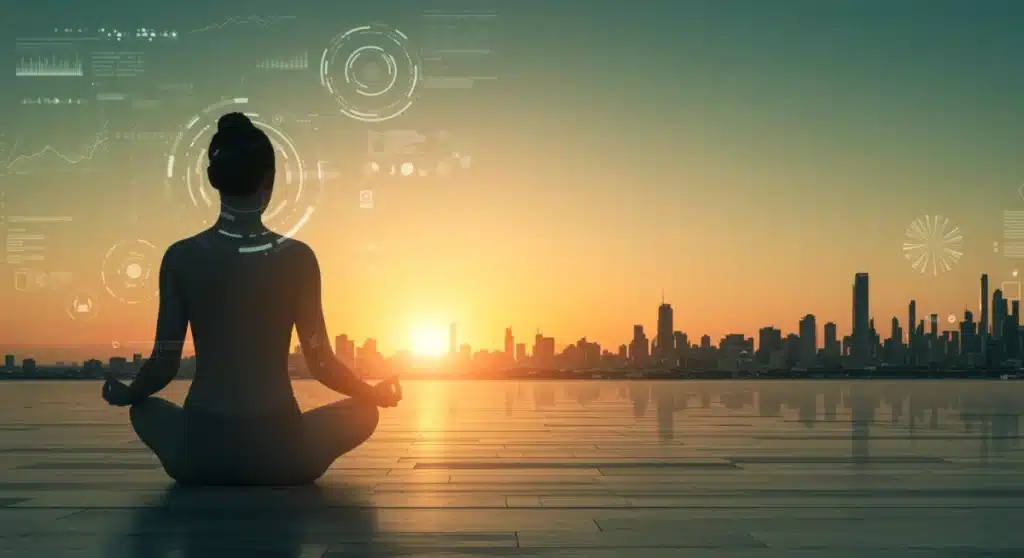
The 3-month stress detox provides a structured, actionable framework for individuals to systematically reduce stress and cultivate lasting calm by integrating mindful practices, digital well-being strategies, and personal growth techniques over a focused 90-day period.
Are you feeling overwhelmed by the relentless pace of modern life? In 2026, the demands on our mental and emotional well-being are more intense than ever, making a structured approach to stress reduction not just beneficial, but essential. This comprehensive 3-month stress detox guide offers practical solutions to help you reclaim your calm and thrive.
Understanding the 2026 Stress Landscape
The year 2026 presents unique stressors, from hyper-connectivity and information overload to climate anxiety and global uncertainties. Our digital lives, while offering convenience, often blur the lines between work and personal time, leading to chronic stress. Recognizing these contemporary challenges is the first step towards an effective detox.
Modern stress isn’t just about busy schedules; it’s deeply intertwined with our always-on culture. The constant stream of notifications, the pressure to maintain an online presence, and the sheer volume of information we process daily contribute to a state of perpetual low-level anxiety. This environment necessitates a proactive and intentional approach to mental well-being.
The Pervasive Nature of Digital Burnout
Digital burnout is a hallmark of the 2026 stress landscape. It manifests as mental exhaustion, cynicism, and reduced efficacy, often stemming from excessive screen time and the demands of remote work or hybrid models. Addressing this requires more than just logging off; it demands a fundamental shift in how we interact with technology.
- Constant Notifications: The relentless ping of messages and alerts disrupts focus and peace.
- Work-Life Blurring: Digital tools make it harder to disconnect from professional responsibilities.
- Social Media Pressure: The curated realities of online platforms can fuel comparison and inadequacy.
- Information Overload: Our brains struggle to process the sheer volume of daily data, leading to mental fatigue.
Understanding these specific triggers allows us to tailor our detox strategies effectively, moving beyond generic advice to tackle the root causes of modern stress. This foundational understanding sets the stage for a truly transformative 3-month journey.
The stress landscape of 2026 requires a nuanced approach. It’s no longer enough to simply suggest ‘relaxing more.’ We must analyze the specific digital and societal pressures that contribute to our chronic stress and develop targeted interventions. This initial phase of self-awareness is crucial for personalizing your stress detox journey.
Month 1: Digital Disentanglement and Mindful Foundations
The first month of your stress detox focuses on systematically reducing digital overload and establishing fundamental mindfulness practices. This initial phase is about creating space in your life, both physically and mentally, by consciously stepping back from constant digital engagement.
We begin by evaluating our relationship with technology. This isn’t about complete abstinence, but rather about intentional usage. By understanding our digital habits, we can identify areas where we can reduce unproductive screen time and replace it with more enriching activities.
Implementing a Digital Detox Plan
A structured digital detox is paramount. Start small, perhaps with designated ‘no-phone zones’ or ‘digital-free hours’ each day. Gradually extend these periods, observing how your mind and body respond to the absence of constant digital stimulation. This practice helps to reset your attention span and reduce anxiety.
- Scheduled Screen Time: Allocate specific times for checking emails and social media.
- Notification Management: Turn off non-essential notifications on all devices.
- Tech-Free Bedrooms: Keep all screens out of your sleeping environment for better rest.
- Digital-Free Days: Designate one day a week to be completely free from digital devices.
Alongside digital disentanglement, cultivating mindfulness is key. This involves practices like meditation, deep breathing exercises, and mindful movement. These tools help anchor you in the present moment, reducing rumination about the past or anxiety about the future. Even short, daily practices can yield significant benefits.
By the end of Month 1, you should feel a noticeable shift in your relationship with technology and a greater capacity for presence. This foundation is essential for building more advanced stress management techniques in the subsequent months.
Month 2: Physical Revitalization and Emotional Resilience
With a foundation of digital awareness and mindfulness established, Month 2 shifts focus to physical revitalization and building emotional resilience. This phase recognizes the deep connection between our physical health and our mental state, emphasizing practices that nourish both.
Physical activity, nutrition, and sleep are powerful allies in stress reduction. Optimizing these areas can significantly enhance your body’s ability to cope with stressors and promote a sense of overall well-being. This is where we actively integrate habits that support sustained calm.
Nourishing Your Body for Stress Reduction
Focus on a balanced diet rich in whole foods, steering clear of processed items, excessive sugar, and caffeine that can exacerbate anxiety. Hydration is also crucial; often, what we perceive as stress can be amplified by simple dehydration. Consider incorporating adaptogenic herbs or supplements under professional guidance.
- Balanced Nutrition: Prioritize fruits, vegetables, lean proteins, and healthy fats.
- Adequate Hydration: Aim for at least eight glasses of water daily.
- Regular Movement: Incorporate daily exercise, whether it’s walking, yoga, or strength training.
- Quality Sleep: Establish a consistent sleep schedule and create a conducive sleep environment.
Building emotional resilience involves developing coping mechanisms and self-compassion. This could mean journaling, engaging in creative outlets, or seeking support from a therapist or coach. The goal is to develop a robust inner framework that can withstand life’s inevitable challenges without succumbing to overwhelming stress.
By the end of Month 2, you’ll likely feel more energized and emotionally balanced, equipped with better physical and mental tools to navigate daily pressures. This holistic approach ensures that your stress detox is comprehensive and sustainable.
Month 3: Advanced Mindfulness and Lifestyle Integration
The final month of your stress detox is dedicated to deepening your mindfulness practices and seamlessly integrating your new habits into your everyday lifestyle. This phase is about making your stress-reducing strategies feel less like an effort and more like an inherent part of who you are.
We move beyond basic practices to explore more advanced techniques, such as gratitude journaling, loving-kindness meditation, or even exploring biofeedback tools that measure and help regulate physiological responses to stress. The aim is to cultivate a sustained state of inner peace and resilience.
Cultivating Lasting Zen Habits
This month is about solidifying your commitment to a calmer, more mindful existence. Review the practices from the previous two months and identify which ones resonate most with you. Consistency is key; even five minutes of mindfulness daily is more effective than an hour once a week.
- Gratitude Practice: Regularly acknowledge things you are grateful for, shifting perspective.
- Mindful Communication: Practice listening actively and speaking intentionally.
- Nature Immersion: Spend time outdoors to reconnect with the natural world.
- Boundary Setting: Learn to say no to commitments that overextend you.
Lifestyle integration means incorporating these practices into the fabric of your daily routine. It’s about making conscious choices that support your well-being, from how you start your day to how you unwind in the evening. This might involve re-evaluating your social circles, work commitments, and leisure activities to ensure they align with your newfound sense of calm.
By the completion of Month 3, your stress detox should have transformed into a sustainable lifestyle. You will possess a powerful toolkit of strategies and a refined mindset to maintain your calm in a fast-paced world, well beyond 2026.
The Role of Technology in a Stress-Free 2026
While the initial phase of our stress detox involved digital disentanglement, 2026 also offers advanced technological solutions that can *support* stress management, rather than hinder it. The key lies in mindful and intentional integration of these tools into your well-being routine.
From AI-powered meditation apps to biofeedback wearables, technology has evolved to provide personalized insights and guidance for mental health. The challenge is to use these tools as aids, not as replacements for genuine self-care and human connection.

Leveraging Digital Tools for Enhanced Calm
Several innovative applications and devices can significantly enhance your stress detox journey. Look for apps that offer guided meditations tailored to your needs, sleep tracking with personalized recommendations, or even virtual reality environments designed for relaxation. These can be powerful complements to your analog practices.
- Personalized Meditation Apps: AI-driven apps that adapt to your mood and progress.
- Wearable Tech for Stress Tracking: Devices monitoring heart rate variability and sleep patterns.
- Virtual Reality for Mindfulness: Immersive experiences designed for deep relaxation and focus.
- Digital Journaling Platforms: Secure and private spaces for emotional processing and reflection.
However, it’s crucial to maintain a critical perspective. Technology should serve as a bridge to greater well-being, not another source of distraction or pressure. Regularly assess whether a particular tool is genuinely helping you achieve calm or simply adding to your digital burden.
By thoughtfully integrating beneficial technology, you can create a synergistic approach to stress management, leveraging the best of both the digital and analog worlds to sustain your calm in 2026 and beyond.
Sustaining Your Calm: Beyond the 3-Month Detox
Completing a 3-month stress detox is a significant achievement, but the journey to sustained calm is ongoing. This final section focuses on strategies for maintaining the peace and resilience you’ve cultivated, ensuring that your efforts yield long-term benefits in the fast-paced world of 2026.
The habits formed during the detox are not temporary fixes; they are foundational elements of a mindful lifestyle. Regular self-assessment and adaptation are crucial to respond to new stressors and continue your growth trajectory.
Long-Term Strategies for Well-being
To avoid reverting to old patterns, establish a routine of periodic self-check-ins. Reflect on your stress levels, your digital consumption, and your physical and emotional well-being. Adjust your practices as needed, staying flexible and responsive to life’s changes.
- Regular Self-Assessment: Periodically evaluate your stress levels and coping strategies.
- Continuous Learning: Explore new mindfulness techniques or personal growth methodologies.
- Community Engagement: Connect with like-minded individuals for support and shared experiences.
- Professional Support: Don’t hesitate to seek guidance from therapists or coaches when needed.
Proactive stress prevention is more effective than reactive stress management. This means setting clear boundaries, both personally and professionally, and prioritizing activities that genuinely rejuvenate you. Remember, self-care is not selfish; it is essential for your capacity to contribute meaningfully to your life and community.
By committing to these long-term strategies, you can ensure that the calm and resilience gained during your 3-month stress detox become an enduring part of your life, allowing you to navigate the complexities of 2026 with grace and strength.
| Key Detox Phase | Primary Focus |
|---|---|
| Month 1: Digital Detox | Reducing screen time and establishing basic mindfulness. |
| Month 2: Body & Mind | Optimizing physical health and building emotional resilience. |
| Month 3: Integration | Deepening practices and integrating habits into daily life. |
| Ongoing: Sustaining Calm | Continuous self-assessment and proactive well-being strategies. |
Frequently Asked Questions About Stress Detox
A 3-month stress detox is a structured, 90-day program designed to systematically reduce chronic stress. It involves phases of digital disentanglement, physical revitalization, emotional resilience building, and the integration of mindful practices into daily life for sustainable calm.
In 2026, hyper-connectivity and information overload contribute significantly to chronic stress and digital burnout. A digital detox helps reset attention spans, reduce anxiety from constant notifications, and re-establish healthier boundaries between digital and personal life.
Physical health profoundly impacts stress. Proper nutrition, regular exercise, and adequate sleep enhance the body’s ability to cope with stressors, regulate mood, and improve overall mental clarity, making you more resilient against daily pressures.
Yes, when used mindfully. Advanced tech like AI-powered meditation apps, biofeedback wearables, and VR mindfulness experiences can complement traditional practices. The key is to use them as aids for well-being, not as additional sources of distraction or pressure.
The long-term benefits include sustained calm, enhanced emotional resilience, improved physical health, better focus, and a greater sense of well-being. It fosters a proactive approach to mental health, cultivating habits that help navigate life’s challenges with grace.
Conclusion
Embarking on a 3-month stress detox in 2026 is more than just a temporary break; it is an investment in your long-term mental and physical health. By systematically addressing digital overload, nurturing your body, building emotional strength, and integrating mindful practices, you can successfully reclaim your calm. This journey empowers you with the tools and mindset necessary to not only survive but truly thrive in our fast-paced world, fostering a sustainable sense of peace and well-being.