Yoga Trends 2026: Styles for Health & Stress Management
Yoga in 2026 has significantly diversified, offering specialized styles that effectively cater to both physical health enhancement and crucial stress management needs, reflecting a global shift towards integrated well-being practices.
As we navigate the complexities of 2026, the pursuit of optimal physical health and effective stress management has become more critical than ever. In this evolving landscape, yoga continues to stand out as a powerful and adaptable practice. This article delves into the 2026 yoga trends, comparing four popular styles to help you discover the perfect path for your well-being journey.
The Resurgence of Holistic Wellness in 2026
The year 2026 marks a significant turning point in how individuals approach personal wellness. With advancements in digital health and a heightened awareness of mental health, holistic practices like yoga are no longer niche but mainstream. This section explores the underlying reasons for yoga’s sustained growth and its pivotal role in contemporary health paradigms.
Digital Integration and Personalized Yoga Experiences
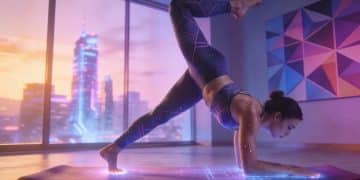
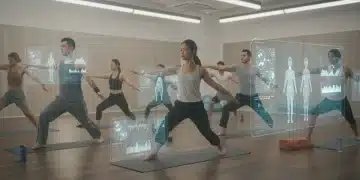
The yoga landscape has been profoundly shaped by technology. In 2026, AI-powered platforms offer personalized practice recommendations, virtual reality classes transport practitioners to serene digital environments, and biometric feedback devices help optimize poses for individual body types. This digital integration has made yoga more accessible and tailored to personal needs, fostering a deeper connection between mind and body.
- AI-driven pose correction for enhanced safety and effectiveness.
- VR environments for immersive and distraction-free practice.
- Wearable tech providing real-time physiological data to optimize sessions.
- Global access to master instructors through high-definition streaming.
Stress as a Modern Epidemic and Yoga’s Antidote
Chronic stress remains a pervasive issue in 2026, fueled by demanding lifestyles and constant digital connectivity. Yoga, with its emphasis on breathwork, mindfulness, and physical postures, offers a potent antidote. It provides a structured methodology for calming the nervous system, reducing cortisol levels, and cultivating inner peace, making it an indispensable tool for stress management in our fast-paced world.
The holistic benefits extend beyond the mat, influencing daily decision-making, emotional regulation, and overall resilience. Understanding these foundational shifts helps us appreciate the nuanced benefits of each yoga style discussed.
The wellness industry has recognized yoga’s unparalleled ability to address both physical ailments and mental distress, leading to its inclusion in corporate wellness programs and even prescribed as a complementary therapy by healthcare professionals. This broad acceptance underscores its efficacy and relevance in 2026.
Hatha Yoga: The Foundation of Mindful Movement
Hatha yoga, often considered the root of many modern yoga styles, continues to be a cornerstone in 2026 for those seeking a balanced approach to physical health and stress management. Its emphasis on holding poses for several breaths provides a unique opportunity for deep introspection and muscular engagement.
Core Principles and Physical Benefits
Hatha yoga focuses on a series of basic postures (asanas), breathing techniques (pranayama), and meditation. The pace is typically slower than more dynamic styles, allowing practitioners to explore each pose with precision and awareness. This deliberate approach builds foundational strength, improves flexibility, and enhances body awareness, crucial for preventing injuries and maintaining long-term physical well-being.
- Improved flexibility and joint mobility.
- Enhanced core strength and stability.
- Better posture and alignment.
- Increased body awareness and proprioception.
Mental Clarity and Stress Reduction through Hatha
Beyond the physical, Hatha yoga is a powerful tool for mental clarity and stress reduction. The sustained holds in each posture, combined with conscious breathing, train the mind to stay present and focused. This practice helps to quiet the incessant chatter of the mind, fostering a sense of calm and emotional balance. Many practitioners report a significant decrease in anxiety and an improved ability to manage daily stressors.
In 2026, where mental resilience is highly valued, Hatha yoga offers a timeless method to cultivate inner peace. Its accessibility makes it suitable for beginners and experienced yogis alike, providing a gentle yet profound path to holistic health. The simplicity of Hatha allows for deeper exploration of self, making it a popular choice for those just starting their yoga journey or seeking a return to foundational practices.
Vinyasa Yoga: Dynamic Flow for Energy and Endurance
Vinyasa yoga, often referred to as ‘flow yoga,’ remains incredibly popular in 2026 due to its dynamic and fluid nature. Synchronizing breath with movement, Vinyasa sequences can be both invigorating and meditative, offering a comprehensive workout for the body and mind.
Physical Intensity and Cardiovascular Health
Vinyasa classes typically involve a continuous sequence of poses that flow seamlessly from one to the next, often choreographed around sun salutations. This constant movement elevates the heart rate, providing cardiovascular benefits and building endurance. The variety in sequences means no two Vinyasa classes are exactly alike, keeping the practice engaging and challenging. It’s an excellent choice for those looking to build lean muscle, increase stamina, and boost metabolism.
The physical demands of Vinyasa also contribute to detoxification through sweating and improved circulation. Practitioners often feel energized and revitalized after a session, making it a perfect antidote to sedentary modern lifestyles. The creative aspect of Vinyasa allows instructors to tailor classes to specific themes or physical goals, enhancing its appeal.
Mental Focus and Emotional Release
The continuous flow of Vinyasa yoga demands a high level of mental focus, effectively drawing attention away from daily worries. The rhythmic breathing and movement create a moving meditation, helping to clear the mind and reduce mental clutter. This intense focus can lead to a state of flow, where practitioners experience a profound sense of presence and connection.
- Enhanced concentration and mental discipline.
- Release of emotional tension stored in the body.
- Increased feelings of vitality and joy.
- Improved self-expression through movement.
For many, Vinyasa also serves as an outlet for emotional release. The physical exertion and deep breathing can help process stress and pent-up emotions, leaving practitioners feeling lighter and more balanced. Its adaptability makes it a versatile practice for managing stress and enhancing emotional well-being.
Restorative Yoga: Deep Relaxation for Stress Management
In a world that constantly demands more, restorative yoga offers a much-needed sanctuary. In 2026, this gentle practice is gaining immense traction as a primary method for profound stress management and nervous system regulation. It is designed to soothe and rejuvenate, making it distinct from more active styles.
The Art of Supported Relaxation
Restorative yoga utilizes props such as bolsters, blankets, blocks, and eye pillows to support the body in various gentle postures. The goal is to achieve complete relaxation, allowing the body to release tension without effort. Poses are held for extended periods, often 5 to 20 minutes, giving the passive stretches time to deeply penetrate muscles and connective tissues. This approach stimulates the parasympathetic nervous system, triggering the body’s natural healing and resting responses.
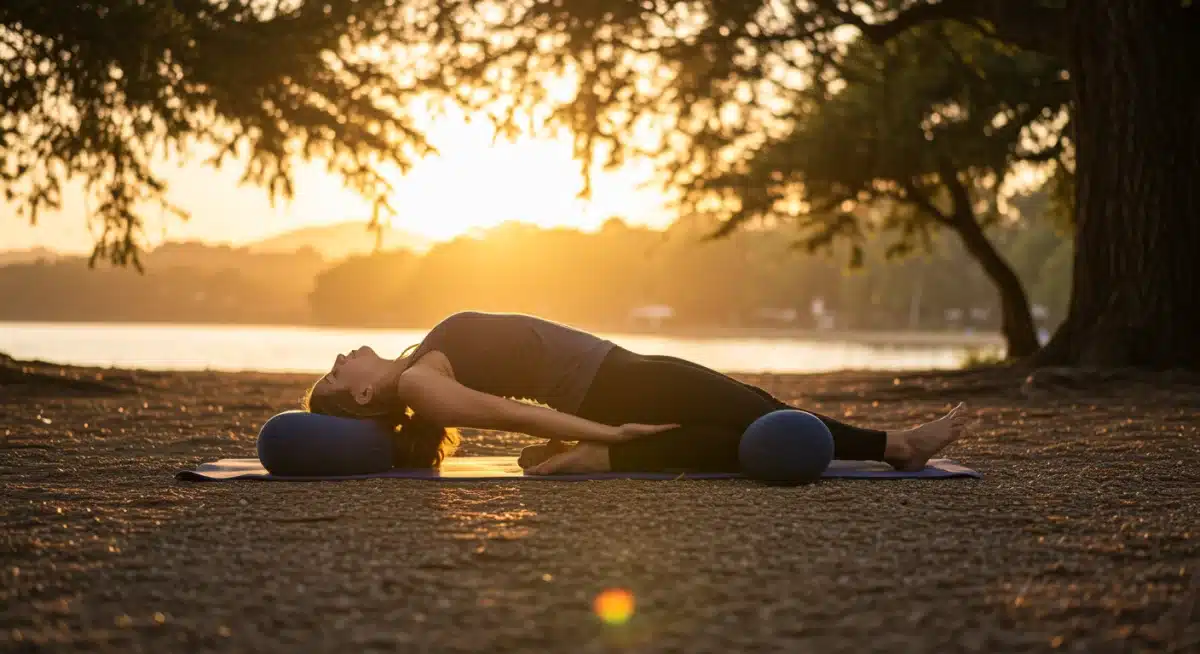
Unlike other forms of yoga, restorative practice is not about building strength or flexibility through active engagement but rather about releasing and letting go. It’s a meditative experience that encourages practitioners to fully surrender to the support of the props and gravity.
Benefits for Mental and Physical Recovery
The benefits of restorative yoga are profound, especially for those experiencing chronic stress, fatigue, or recovery from illness. It significantly lowers heart rate and blood pressure, improves digestion, and enhances sleep quality. Mentally, it cultivates a sense of peace, reduces anxiety, and helps manage symptoms of depression. It’s an essential practice for anyone seeking to combat the effects of modern-day burnout.
- Activates the parasympathetic nervous system for deep rest.
- Reduces muscle tension and chronic pain.
- Improves sleep patterns and energy levels.
- Cultivates mental calmness and emotional resilience.
The growing recognition of the importance of rest and recovery in overall health makes restorative yoga an increasingly vital component of a balanced wellness routine in 2026. It underscores the understanding that sometimes, doing less can lead to more profound healing and well-being.
Aerial Yoga: Elevating Physical Health and Fun
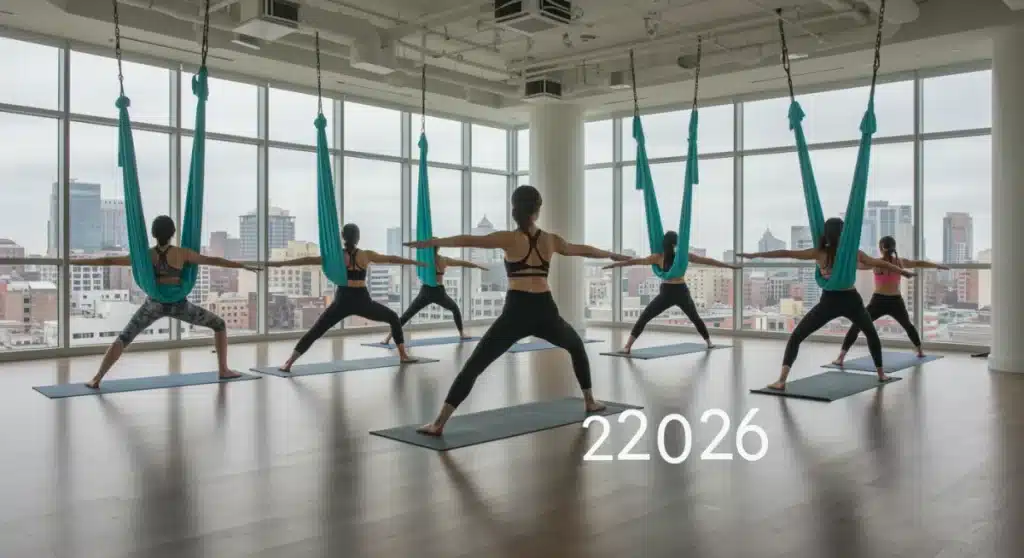
Aerial yoga, a relatively newer but rapidly growing trend, has truly taken flight by 2026. This innovative style combines traditional yoga asanas, Pilates, and aerial acrobatics using a soft fabric hammock suspended from the ceiling. It offers a unique approach to physical health, stress management, and even a playful escape from gravity.
Unique Physical Advantages
The use of the hammock in aerial yoga allows for a range of movements that might be challenging or impossible on the mat. It decompresses the spine, strengthens core muscles, and improves flexibility without putting excessive pressure on joints. Inversions, such as hanging upside down, become accessible to more people, offering benefits like improved circulation and lymphatic drainage. The support of the hammock also aids in deeper stretches and building upper body strength.
Aerial yoga is particularly effective for those seeking to enhance their physical capabilities while minimizing impact. It helps in developing body awareness, coordination, and balance in a novel environment. The novelty of being suspended also adds an element of fun and adventure to the practice, making fitness feel less like a chore.
Stress Relief and Elevated Mood
Beyond the physical, aerial yoga offers significant mental and emotional benefits. The playful nature of the practice can be incredibly stress-relieving, encouraging laughter and a sense of childlike wonder. The inversions and gentle swaying in the hammock can have a calming effect on the nervous system, releasing tension and promoting relaxation. Many practitioners report an elevated mood and a profound sense of freedom after an aerial yoga session.
- Spinal decompression and pain relief.
- Enhanced flexibility and range of motion.
- Increased core and upper body strength.
- Boosted mood and reduced feelings of anxiety.
In 2026, as people increasingly seek novel and effective ways to manage stress and boost physical health, aerial yoga stands out as an exciting and beneficial option. It challenges the traditional perception of yoga, making it accessible and appealing to a broader audience who might be looking for something different and exhilarating.
Choosing Your Path: Finding the Right Yoga Style in 2026
With such a diverse array of yoga styles available in 2026, deciding which one is right for you can seem daunting. The key lies in understanding your personal goals, current physical condition, and what you hope to gain from your practice, whether it’s primarily for physical health, stress management, or a blend of both.
Assessing Your Needs and Preferences
Consider what motivates you. Are you looking for an energetic workout that builds strength and stamina? Vinyasa might be your ideal match. If deep relaxation and recovery are your priorities, restorative yoga will offer profound benefits. For those seeking foundational strength and mindful movement, Hatha provides an excellent starting point. And if you’re adventurous and want to explore new dimensions of movement and fun, aerial yoga could be the perfect fit.
It’s also important to consider your physical limitations or any specific health conditions. Always consult with a healthcare professional before starting a new exercise regimen. Many studios in 2026 offer introductory classes or workshops, which are excellent opportunities to sample different styles and find what resonates with you.
The Power of Cross-Training and Hybrid Practices
In 2026, the concept of integrating various yoga styles into a balanced routine is also gaining popularity. Many individuals find that a combination of styles best addresses their holistic needs. For example, complementing dynamic Vinyasa sessions with calming restorative practices can provide a comprehensive approach to both physical fitness and mental well-being. Hybrid classes, blending elements from different traditions, are also becoming more common, offering a rich and varied experience.
- Experiment with different styles through trial classes.
- Listen to your body’s responses and preferences.
- Consider a balanced routine combining active and passive styles.
- Seek guidance from certified instructors for personalized recommendations.
Ultimately, the best yoga style is the one that you enjoy and can commit to consistently. The journey of yoga is personal and evolving, and 2026 offers more opportunities than ever to discover a practice that truly enhances your life.
The Future of Yoga and Wellness Integration in 2026
Looking ahead, 2026 signifies a pivotal moment for yoga’s role in global wellness. The trends indicate a continued move towards personalized, accessible, and scientifically-backed practices that seamlessly integrate into daily life. This evolution ensures yoga remains at the forefront of holistic health and stress management solutions.
Technological Advancements and Community Building
The synergy between technology and yoga is only set to deepen. Expect more sophisticated AI-driven analysis of movement, advanced biometric feedback for optimizing performance and recovery, and even haptic feedback systems to guide practitioners through poses. Augmented and virtual reality will create even more immersive and personalized practice environments, bridging geographical divides and connecting yogis worldwide. This technological leap will also foster stronger online communities, allowing for shared experiences and collective growth.
Furthermore, the development of smart yoga mats capable of tracking alignment and pressure distribution will provide immediate, actionable feedback, transforming the learning process. These innovations are not just about convenience; they are about enhancing the efficacy and safety of yoga practice for everyone.
Yoga as a Prescriptive Health Tool
As research continues to validate yoga’s therapeutic benefits, its integration into mainstream healthcare is expanding. In 2026, it’s becoming more common for medical professionals to prescribe specific yoga practices for conditions ranging from chronic pain and anxiety to cardiovascular health and metabolic disorders. This shift highlights a growing recognition of yoga as a powerful, non-pharmacological intervention, focusing on preventative care and holistic healing.
- Increased scientific validation of yoga’s health benefits.
- Broader acceptance and integration into clinical settings.
- Development of specialized yoga protocols for various health conditions.
- Emphasis on yoga for preventative health and long-term well-being.
The future of yoga in 2026 is bright, characterized by innovation, deeper scientific understanding, and an unwavering commitment to fostering optimal physical health and profound stress management for individuals across all walks of life. Its adaptability and timeless wisdom ensure its relevance for generations to come, making it a cornerstone of a healthy, balanced lifestyle.
| Yoga Style | Primary Benefits |
|---|---|
| Hatha Yoga | Foundational strength, flexibility, mental clarity. |
| Vinyasa Yoga | Cardiovascular health, endurance, emotional release. |
| Restorative Yoga | Deep relaxation, nervous system regulation, stress relief. |
| Aerial Yoga | Spinal decompression, core strength, mood elevation. |
Frequently Asked Questions About 2026 Yoga Trends
In 2026, yoga trends are heavily influenced by advanced technology, offering personalized AI-driven practices and VR experiences. There’s also a stronger emphasis on yoga as a prescribed therapy for stress and physical ailments, integrating it more deeply into mainstream healthcare and corporate wellness programs than ever before.
Absolutely! Aerial yoga is increasingly beginner-friendly in 2026, with studios offering introductory classes focused on basic hammock use and gentle movements. The hammock actually supports the body, making many poses more accessible and less impactful on joints for newcomers, while still providing unique physical benefits.
Restorative yoga in 2026 is a powerful stress management tool because it activates the parasympathetic nervous system, responsible for the ‘rest and digest’ response. By holding supported poses for extended periods, it deeply calms the body and mind, reducing cortisol levels, improving sleep, and fostering profound relaxation to combat chronic stress.
Yes, combining Hatha and Vinyasa yoga is an excellent strategy for a balanced practice in 2026. Hatha provides foundational strength and mindful alignment, while Vinyasa offers dynamic movement and cardiovascular benefits. Integrating both styles allows practitioners to build a well-rounded routine that addresses both physical conditioning and mental focus.
Technology plays a crucial role in 2026 yoga, enhancing accessibility and personalization. This includes AI for pose correction, virtual reality for immersive classes, wearable tech for biometric feedback, and smart mats for alignment tracking. These innovations make yoga more effective, engaging, and tailored to individual needs, broadening its reach globally.
Conclusion
The landscape of yoga in 2026 is vibrant and diverse, offering an unparalleled array of styles to meet the evolving needs for optimal physical health and effective stress management. From the foundational strength of Hatha to the dynamic flow of Vinyasa, the profound calm of Restorative, and the exhilarating freedom of Aerial yoga, there is a path for every individual. As technology continues to integrate and scientific understanding deepens, yoga remains a timeless and increasingly relevant practice, empowering us to cultivate balance, resilience, and well-being in an ever-changing world. Embracing these trends allows for a richer, more personalized journey toward holistic health.