Restorative Yoga 2026: New Props & Deep Relaxation Techniques
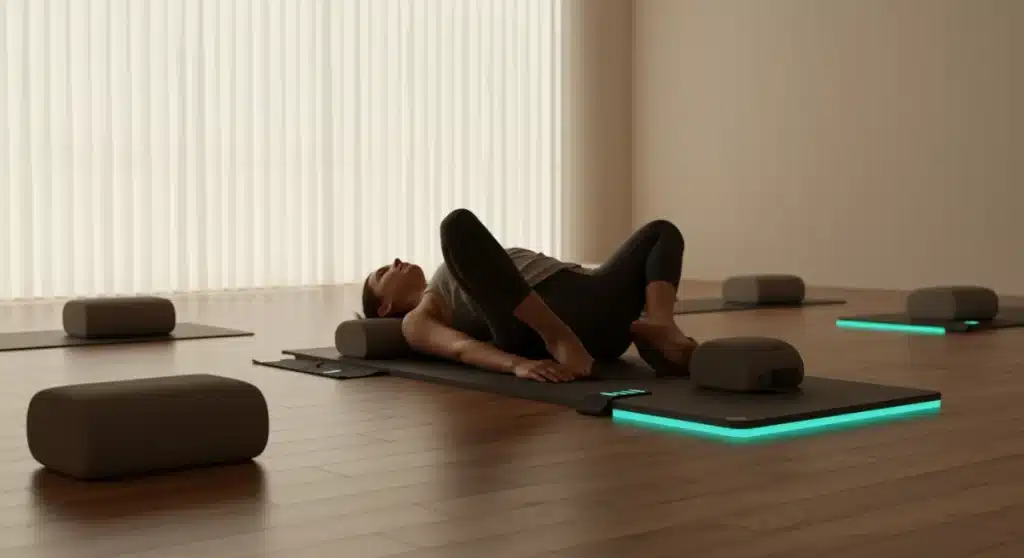
The 2026 Evolution of Restorative Yoga: New Props and Techniques for Deeper Relaxation
As we navigate the complexities of modern life, the quest for profound relaxation and holistic well-being becomes ever more critical. Enter Restorative Yoga 2026, a practice that has consistently evolved to meet the demands of our fast-paced world. This isn’t just about stretching; it’s about intentional rest, active relaxation, and profound healing. In 2026, we are witnessing a remarkable transformation in how we approach this ancient practice, driven by innovative new props and sophisticated techniques designed to unlock deeper states of tranquility and rejuvenation than ever before.
The landscape of Restorative Yoga is no longer limited to traditional bolsters and blankets. The year 2026 heralds an era where technology, sustainability, and ergonomic design converge to create an unparalleled experience of support and surrender. From smart bolsters that adapt to your body’s contours to biofeedback-integrated eye pillows, the tools available to practitioners are becoming increasingly intuitive and effective. This evolution isn’t just about fancy gadgets; it’s about enhancing the core principles of restorative yoga: facilitating passive stretching, reducing physical and mental tension, and promoting the body’s natural healing processes.
This comprehensive guide will delve into the exciting advancements shaping Restorative Yoga 2026. We’ll explore the cutting-edge props that are redefining comfort and support, introduce you to innovative techniques that deepen your relaxation, and discuss how these developments are making restorative yoga more accessible and impactful for everyone. Whether you’re a seasoned yogi or new to the practice, prepare to discover how the future of restorative yoga is poised to transform your approach to self-care and well-being.
What is Restorative Yoga and Why is it More Important Than Ever?
Before we journey into the future, let’s briefly revisit the essence of restorative yoga. At its heart, restorative yoga is a gentle, therapeutic style of yoga that uses props to support the body in various postures, allowing for deep relaxation and the release of tension. Unlike active yoga styles, the goal here isn’t to build strength or flexibility through effort, but rather to cultivate stillness and calm, enabling the parasympathetic nervous system to activate. This ‘rest and digest’ state is crucial for stress reduction, improved digestion, enhanced sleep, and overall emotional balance.
In our hyper-connected, often over-stimulated world, the need for such a practice has never been greater. Chronic stress is a pervasive issue, contributing to a myriad of physical and mental health problems. Restorative Yoga 2026 offers a powerful antidote, providing a sanctuary where the body and mind can truly decompress. It’s a practice of ‘doing less to gain more,’ allowing the body to heal itself when given the right conditions and support. The advancements we’re seeing in 2026 are specifically designed to amplify these inherent benefits, making the practice even more potent and accessible.
The Rise of Smart and Sustainable Props in Restorative Yoga 2026
The most significant leap in Restorative Yoga 2026 lies in the evolution of its props. Gone are the days of basic foam blocks and cotton blankets. We’re now seeing a fusion of smart technology, sustainable materials, and ergonomic design that redefines what support truly means in a restorative practice.
Adaptive Bolsters and Cushions: Personalized Support
Imagine a bolster that intuitively adapts to your body’s unique contours and pressure points. In 2026, this is becoming a reality. Adaptive bolsters, often filled with smart, responsive materials like shape-memory foam infused with natural latex or even air chambers controlled by a small, discreet pump, are revolutionizing comfort. These bolsters can be subtly adjusted via a smartphone app or even through gentle pressure, providing personalized support that maximizes comfort and minimizes strain. This level of customization ensures that every practitioner, regardless of their body type or specific needs, can find their perfect alignment and surrender more fully into each pose.
Weighted Blankets and Eye Pillows with Biofeedback
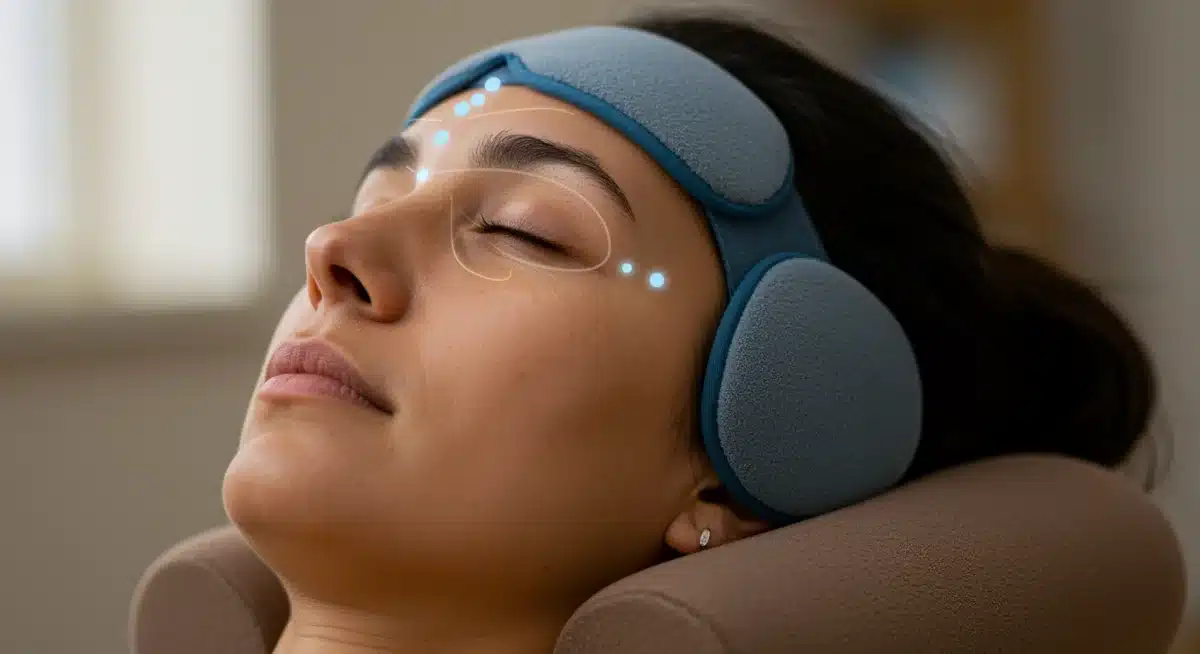
The therapeutic benefits of weighted blankets are well-established for reducing anxiety and promoting sleep. In Restorative Yoga 2026, these have been elevated. New weighted blankets are crafted from sustainable, breathable fabrics and incorporate micro-sensors that provide real-time biofeedback. These sensors can monitor heart rate variability (HRV) and skin conductivity, subtly guiding practitioners towards deeper states of relaxation. Similarly, eye pillows now come with integrated gentle pressure points and even subtle aromatherapy diffusers, with some models offering soft, guided meditation prompts or binaural beats delivered through bone conduction technology, enhancing the sensory experience and promoting faster entry into a relaxed state.
Ergonomic and Adjustable Yoga Walls and Slings
While yoga walls have been around for a while, Restorative Yoga 2026 sees them evolve into highly sophisticated, adjustable systems. These ‘smart walls’ feature easily modifiable straps, slings, and platforms that can be repositioned with minimal effort, allowing for an endless array of supported inversions, gentle traction, and spinal decompression poses. Materials are lightweight yet incredibly durable, often made from recycled plastics and reinforced natural fibers, reflecting a commitment to both innovation and environmental responsibility. These systems make advanced restorative poses accessible and safe, offering unparalleled support for the spine and joints.
Eco-Conscious Materials: A Prerequisite for 2026 Props
Sustainability is no longer an afterthought but a core design principle in Restorative Yoga 2026. Props are increasingly made from organic cotton, hemp, cork, natural rubber, recycled plastics, and bamboo. Beyond the raw materials, manufacturers are focusing on closed-loop production processes, minimizing waste, and ensuring ethical sourcing. This commitment to eco-consciousness aligns perfectly with the holistic philosophy of yoga, promoting not just personal well-being but also the health of the planet.
Innovative Techniques for Deeper Relaxation in Restorative Yoga 2026
Beyond the physical tools, the methodologies and techniques within Restorative Yoga 2026 are also seeing significant advancements, focusing on integrating mind, body, and breath in novel ways.
Biofeedback-Assisted Meditation and Breathwork
The integration of biofeedback technology is a game-changer. Imagine practicing a restorative pose while a small, wearable sensor provides real-time data on your heart rate, breath rate, and even brainwave activity. This data can be displayed subtly on a connected device or even translated into gentle vibrations or sounds, guiding you to optimize your breathing patterns and mental state for deeper relaxation. This personalized feedback empowers practitioners to understand their physiological responses to stress and relaxation, allowing them to consciously cultivate a calmer state more effectively. This technique moves beyond simply ‘trying to relax’ to ‘scientifically optimizing relaxation.’
Sound Bath Integration and Vibrational Therapies
The therapeutic power of sound is being harnessed more intentionally in Restorative Yoga 2026. Full-spectrum sound baths, utilizing crystal singing bowls, gongs, and even digitally generated frequencies, are becoming standard accompaniments to restorative sessions. Furthermore, some props now incorporate subtle vibrational elements. For instance, a mat might have integrated transducers that deliver low-frequency vibrations, gently massaging the body and stimulating cellular relaxation. These sonic and vibrational therapies work synergistically with the supported postures to quiet the nervous system and induce profound meditative states.
Gravity-Assisted Relaxation and Inversions
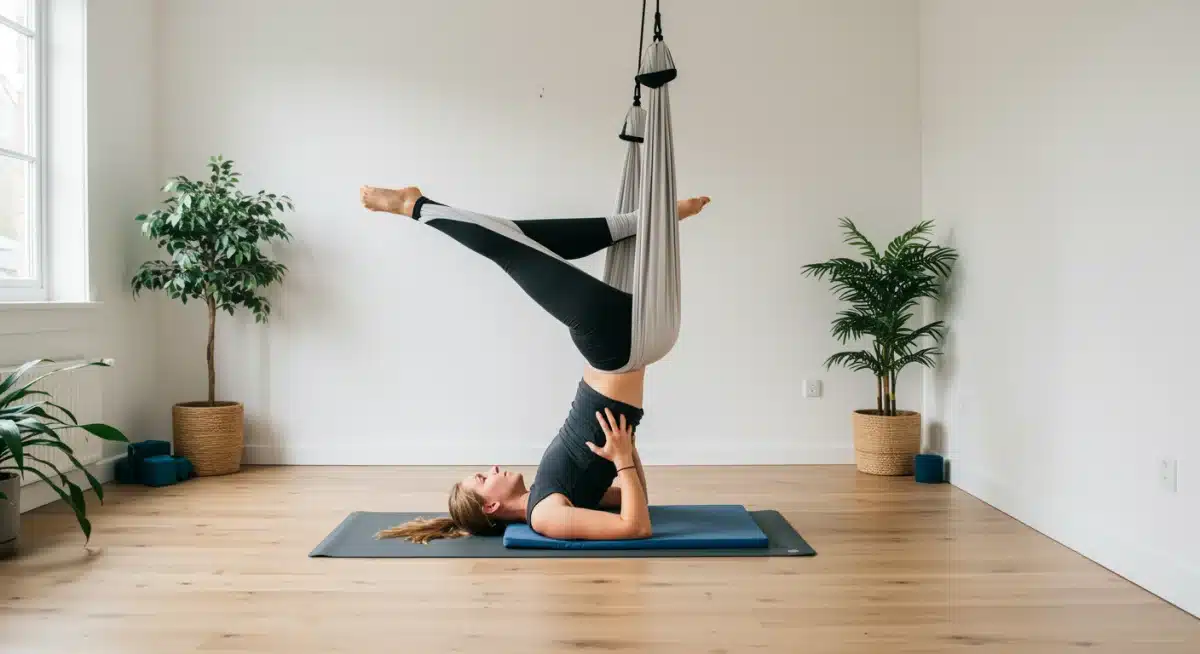
Building on the concept of supported inversions, Restorative Yoga 2026 explores advanced gravity-assisted techniques. Using specialized slings and harnesses, practitioners can experience zero-gravity-like states, allowing for complete spinal decompression and effortless blood flow reversal. Poses like Viparita Karani (Legs-Up-The-Wall) are enhanced with adjustable slings that gently elevate the hips and legs, optimizing the benefits of inversion without any muscular effort. This technique is particularly beneficial for reducing swelling, improving circulation, and calming an overactive mind.
Micro-Movement and Somatic Release Techniques
While restorative yoga emphasizes stillness, Restorative Yoga 2026 also integrates subtle micro-movements and somatic release techniques. These involve gentle, almost imperceptible movements within a supported pose, designed to release deep-seated tension in the fascia and connective tissues. Practitioners are guided to tune into their interoception – the perception of sensations from within the body – and allow the body to naturally unwind. This approach recognizes that true relaxation often requires the release of deeply held physical and emotional patterns, and sometimes a whisper of movement can facilitate this more effectively than absolute stillness.
The Benefits Amplified: Why Restorative Yoga 2026 Matters for Your Well-being
The fusion of cutting-edge props and innovative techniques in Restorative Yoga 2026 isn’t just about novelty; it’s about amplifying the already profound benefits of the practice. Here’s how these advancements are making a tangible difference:
- Deeper and Faster Relaxation: The personalized support from adaptive props and the targeted guidance from biofeedback systems allow practitioners to enter states of deep relaxation more quickly and profoundly.
- Enhanced Stress Reduction: By optimizing the environment for parasympathetic nervous system activation, restorative yoga in 2026 becomes an even more powerful tool for combating chronic stress and its associated health issues.
- Improved Physical Healing: With superior support and gravity-assisted techniques, the body can more effectively release muscular tension, improve circulation, and facilitate natural healing processes, benefiting those recovering from injury or managing chronic pain.
- Greater Mental Clarity and Emotional Balance: The integration of sound therapy, guided meditation, and biofeedback helps to quiet mental chatter, reduce anxiety, and cultivate a sense of inner peace and emotional resilience.
- Increased Accessibility: Ergonomic designs and adjustable props make restorative yoga more accessible to a wider range of body types, ages, and physical conditions, ensuring that more people can experience its transformative benefits.
- Sustainable Practice: The focus on eco-conscious materials not only benefits the planet but also creates a more harmonious and conscious practice environment, aligning with the principles of mindfulness and respect for nature.
Integrating Restorative Yoga 2026 into Your Life
So, how can you embrace the future of Restorative Yoga 2026 in your own practice? Here are some practical steps:
- Explore New Props: Invest in one or two innovative props that resonate with you. Start with an adaptive bolster or a weighted eye pillow with biofeedback capabilities. Research brands committed to sustainable and ergonomic design.
- Seek Out Specialized Classes: Look for yoga studios or online platforms that offer classes specifically incorporating these new props and techniques. Many instructors are now certified in advanced restorative methodologies.
- Experiment with Biofeedback Apps: Even without specialized props, many wellness apps offer basic biofeedback features that can help you monitor your breath and heart rate during your practice, guiding you towards deeper relaxation.
- Create Your Sanctuary: Designate a quiet space in your home for restorative practice. Incorporate elements that promote calm, such as soft lighting, soothing scents, and comfortable temperatures.
- Practice Consistency: Like any beneficial practice, consistency is key. Even short, regular restorative sessions can yield significant results. Aim for 15-30 minutes a few times a week, or longer sessions when you have the time.
- Listen to Your Body: The core of restorative yoga is surrender. Pay attention to what your body needs and choose poses and props that offer the most comfortable and supportive experience.
The Future is Now: Embracing Deep Relaxation with Restorative Yoga 2026
The year 2026 marks an exciting chapter in the journey of restorative yoga. It’s a time when ancient wisdom meets modern innovation, creating a practice that is more effective, accessible, and profoundly healing than ever before. The advancements in props, from adaptive bolsters to biofeedback-integrated blankets, coupled with sophisticated techniques like gravity-assisted inversions and somatic release, are transforming how we experience deep relaxation.
This evolution isn’t just for a select few; it’s a movement towards making profound well-being attainable for everyone. By embracing the principles and tools of Restorative Yoga 2026, you’re not just practicing yoga; you’re investing in a more peaceful, balanced, and resilient version of yourself. The stressors of contemporary life demand proactive solutions, and restorative yoga, in its most evolved form, offers a powerful and gentle path to reclaim your inner calm and vitality.
As we look ahead, the continuous innovation in this field promises even more sophisticated ways to support our journey towards holistic health. The emphasis on individual needs, sustainable practices, and the integration of mindful technology ensures that Restorative Yoga 2026 will continue to be a cornerstone of modern wellness, guiding us all towards deeper states of rest, healing, and self-discovery. So, take a deep breath, find your support, and surrender to the transformative power of the new era of restorative yoga.