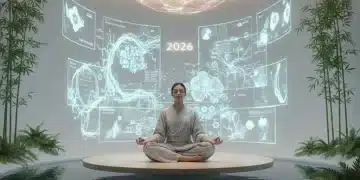
Cultivating Presence: 5 Daily Habits for a More Grounded Life in 2026
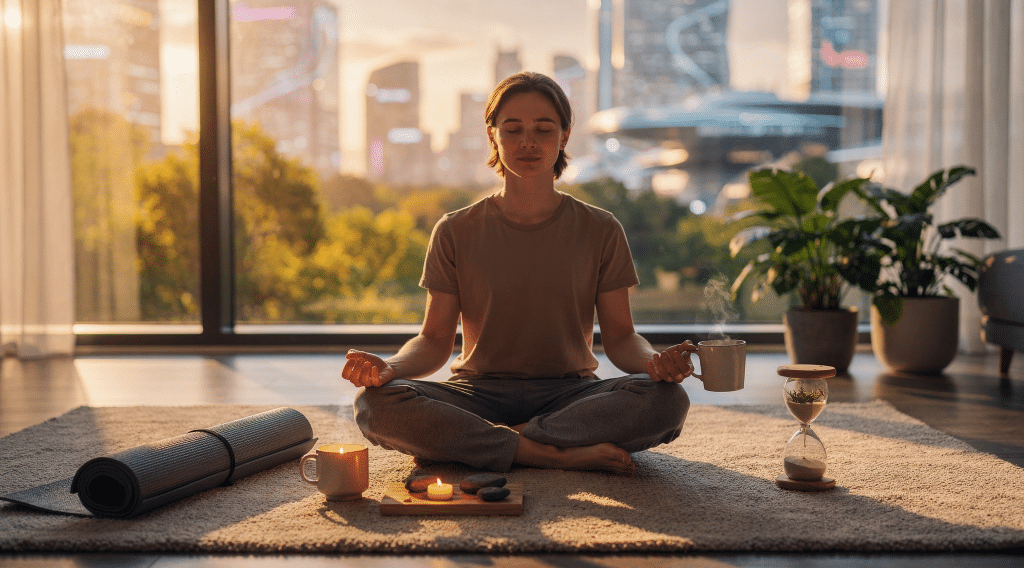
In an increasingly digital and demanding world, the concept of ‘presence’ often feels like a luxury rather than a necessity. As we step further into 2026, the relentless pace of life, coupled with information overload, can leave us feeling scattered, overwhelmed, and disconnected from ourselves and our surroundings. The constant pull of notifications, the pressure to multitask, and the endless pursuit of future goals often prevent us from truly experiencing the ‘now.’ Yet, cultivating daily presence is not just a buzzword; it’s a fundamental pathway to enhanced well-being, improved mental clarity, and a deeper connection with our lives.
To be present means to be fully engaged in the current moment, without judgment or distraction. It’s about savoring the small details, listening intently, feeling deeply, and acting intentionally. This isn’t about ignoring responsibilities or dismissing future planning; rather, it’s about approaching those aspects of life from a foundation of calm and clarity, born from a consistent practice of presence. When we cultivate daily presence, we unlock a profound sense of peace and effectiveness that permeates every aspect of our existence.
This article will explore five transformative daily habits designed to help you cultivate presence and achieve a more grounded life in 2026. These aren’t complex, time-consuming rituals, but rather simple, actionable strategies that, when integrated consistently, can dramatically shift your perspective and enhance your overall quality of life. From mindful mornings to digital detoxes, each habit offers a unique approach to anchoring yourself in the present, fostering a deeper sense of awareness, and ultimately, living a richer, more fulfilling life.
Join us as we delve into these practices, providing practical tips, scientific insights, and inspiration to make cultivating daily presence a non-negotiable part of your routine. It’s time to reclaim your attention, rediscover the beauty of the present moment, and build a more grounded and resilient you for 2026 and beyond.
The Urgency of Presence in 2026: Why Now More Than Ever?
The year 2026 brings with it unprecedented technological advancements, global interconnectedness, and an acceleration of societal changes. While these developments offer incredible opportunities, they also present significant challenges to our ability to remain present. Our attention spans are constantly under siege, fragmented by an incessant stream of information and demands. The lines between work and personal life continue to blur, leading to increased stress, anxiety, and a pervasive feeling of being ‘always on.’
In this landscape, cultivating daily presence becomes not just a personal aspiration but a critical skill for survival and thriving. Without it, we risk becoming reactive rather than proactive, swept away by external forces instead of steering our own course. The ability to focus, to listen deeply, and to respond thoughtfully rather than impulsively is directly tied to our capacity for presence. For leaders, creatives, and individuals in every walk of life, a grounded presence fosters better decision-making, enhanced creativity, and more meaningful relationships.
Moreover, the mental health crisis exacerbated by modern living underscores the vital role of presence. Mindfulness, a core component of presence, has been scientifically proven to reduce symptoms of anxiety and depression, improve emotional regulation, and boost overall life satisfaction. By intentionally carving out moments to be fully present, we create mental space to process emotions, find clarity, and build resilience against the pressures of the modern world. Therefore, embracing the habits of cultivating daily presence is not a luxury; it is an essential investment in our mental, emotional, and spiritual well-being for 2026 and the years to come.
The following habits are designed to be accessible and adaptable, allowing you to integrate them seamlessly into your existing routine, regardless of how busy you might be. The key lies in consistency and a genuine commitment to reclaiming your attention and enriching your daily experience.
Habit 1: The Mindful Morning Ritual – Setting Your Day’s Tone
How you start your day often dictates its trajectory. Rushing out of bed, immediately checking emails, or scrolling through social media can set a tone of reactivity and distraction that lingers for hours. A mindful morning ritual, however, provides a powerful antidote, allowing you to cultivate daily presence before the day’s demands even begin to surface.
This habit isn’t about waking up at 4 AM to meditate for two hours (unless that resonates with you!). It’s about intentionally creating a pocket of time, even just 10-15 minutes, dedicated to grounding yourself. This could involve:
- Mindful Breathing: Before even getting out of bed, take 5-10 deep, conscious breaths. Notice the sensation of the air entering and leaving your body. This simple act can calm your nervous system and bring you into the present moment.
- A Moment of Stillness: Sit quietly for a few minutes. You don’t need to ‘do’ anything. Just observe your thoughts without judgment, like clouds passing in the sky. If your mind wanders, gently bring it back to your breath.
- Intentional Movement: A short stretching routine, some gentle yoga, or a brief walk can help you connect with your body. Focus on the sensations of movement, the stretch of your muscles, and the rhythm of your steps.
- Conscious Hydration: Instead of mindlessly chugging water, take your first sips of water or tea with full awareness. Notice the temperature, the taste, and the feeling of it nourishing your body.
- Delaying Digital Devices: Resist the urge to check your phone for the first 30-60 minutes of your day. This creates a sacred space for your own thoughts and intentions before the external world floods in.
The beauty of the mindful morning ritual is its flexibility. Experiment with different elements and find what truly nourishes your soul and helps you cultivate daily presence. The goal is to start your day from a place of intention and calm, rather than chaos and reaction. This sets a powerful precedent, making it easier to return to presence throughout the rest of your day.
By consistently dedicating time to a mindful morning, you train your brain to prioritize presence, making it a more natural state. This small investment of time yields significant returns in terms of focus, emotional regulation, and overall well-being, helping you navigate 2026 with greater ease and clarity.
Habit 2: The Single-Tasking Sprint – Reclaiming Focus
Multitasking has long been glorified as a productivity hack, but research overwhelmingly shows it’s a myth. What we perceive as multitasking is actually ‘task switching,’ which drastically reduces efficiency, increases errors, and depletes mental energy. In 2026, where demands on our attention are higher than ever, the habit of the ‘Single-Tasking Sprint’ is a revolutionary way to cultivate daily presence and enhance productivity.
A Single-Tasking Sprint involves dedicating a specific, uninterrupted block of time (e.g., 25-50 minutes, similar to the Pomodoro Technique) to one single task. During this sprint, your entire focus is on that one activity. This means:
- Eliminating Distractions: Turn off notifications, close unnecessary tabs, put your phone on silent and out of sight. Create an environment conducive to deep work.
- One Task at a Time: Choose one specific task to work on. Avoid the temptation to check emails, answer messages, or switch to another project, even if it feels urgent.
- Full Immersion: Engage fully with the task. If your mind wanders, gently bring it back to the work at hand. Notice the details, the process, and the progress you’re making.
- Scheduled Breaks: After your sprint, take a short, deliberate break (5-10 minutes) to recharge. During this break, you can move, stretch, or even check your phone briefly before starting another sprint or moving to a different activity.
The power of the Single-Tasking Sprint lies in its ability to train your attention span. By repeatedly focusing on one thing, you strengthen your ‘attention muscle,’ making it easier to concentrate and cultivate daily presence in all areas of your life. This habit not only improves the quality of your work but also reduces stress, as the feeling of being pulled in multiple directions diminishes.
Imagine the satisfaction of completing a task with full attention, rather than feeling scattered and incomplete. This habit fosters a sense of accomplishment and control, crucial for navigating the complexities of 2026. Start with short sprints and gradually increase the duration as your focus improves. You’ll soon discover that less really is more when it comes to effective and present work.
Habit 3: The Gratitude & Reflection Journal – Anchoring in Appreciation
In a world often geared towards what’s next or what’s lacking, it’s easy to overlook the abundance and positive experiences that already exist in our lives. The habit of maintaining a gratitude and reflection journal is a powerful practice for cultivating daily presence by intentionally shifting our focus towards appreciation and learning. This isn’t about ignoring challenges, but rather about creating a balanced perspective that acknowledges the good.
Dedicate 5-10 minutes each day, perhaps in the morning or before bed, to this practice. Your journal can be a physical notebook or a digital document. The key is consistency. Here’s how to approach it:
- Three Gratitudes: Write down at least three specific things you are grateful for. These don’t have to be monumental; they can be as simple as a warm cup of coffee, a kind word from a colleague, the beauty of a sunset, or the comfort of your bed. The more specific you are, the more impactful it becomes.
- One Reflection/Lesson: Reflect on one experience from your day (or the previous day) and identify a lesson learned, a moment of joy, a challenge overcome, or an insight gained. This encourages self-awareness and helps you process your experiences more deeply. Ask yourself: What went well today? What challenged me? What did I learn?
- Future Intention (Optional): You might also write down one intention for the day ahead or a positive affirmation. This helps to guide your focus and cultivate daily presence for the upcoming hours.
The act of writing itself slows down your thoughts, allowing for deeper processing and a more conscious connection to your feelings. By regularly acknowledging what you are grateful for, you train your brain to seek out the positive, rewiring your neural pathways for optimism and resilience. This practice helps you stay anchored in the present by appreciating what is, rather than constantly striving for what isn’t.
Numerous studies have shown the benefits of gratitude journaling, including improved mood, increased happiness, better sleep, and stronger relationships. In the dynamic environment of 2026, having a consistent practice that grounds you in appreciation and thoughtful reflection is an invaluable tool for maintaining mental and emotional equilibrium. It ensures you don’t just move through life, but truly experience and value it.
Habit 4: Mindful Movement Breaks – Reconnecting with Your Body
Our modern lives, particularly in 2026, often involve prolonged periods of sitting and mental exertion, leading to physical stagnation and a disconnect from our bodies. The habit of taking mindful movement breaks is an excellent way to cultivate daily presence by bringing awareness back to your physical self. These aren’t intense workouts, but rather short, intentional pauses that re-energize both mind and body.
Throughout your workday or whenever you feel a slump, incorporate 5-10 minute mindful movement breaks. The key is to engage fully with the physical sensations and the present moment, rather than just going through the motions. Here are some ideas:
- Conscious Stretching: Stand up and gently stretch your arms, legs, back, and neck. Pay attention to the feeling of your muscles lengthening, the tension releasing, and your breath flowing with each movement. Don’t just stretch; feel the stretch.
- Walking Meditation: Step outside for a few minutes, or even just walk around your office or home. Focus on the sensation of your feet hitting the ground, the rhythm of your steps, and the movement of your body. Notice the sights, sounds, and smells around you without judgment.
- Desk Yoga/Chair Stretches: Many simple yoga poses or stretches can be done right at your desk or in your chair. Look up guided desk yoga routines online for inspiration. The goal is to break the physical stagnation and bring fresh energy to your body.
- Deep Breathing Exercises: Sometimes, just standing up and taking 3-5 deep, cleansing breaths, focusing on the expansion and contraction of your lungs, can be a powerful mindful movement.
These breaks serve multiple purposes. Physically, they alleviate muscle stiffness, improve circulation, and reduce fatigue. Mentally, they provide a much-needed reset, breaking cycles of intense focus or mental exhaustion. By consciously moving and feeling your body, you pull yourself out of mental rumination and firmly into the present moment. This practice of cultivating daily presence through movement helps to clear your mind, renew your energy, and enhance your overall sense of well-being.
Making mindful movement a regular habit can significantly improve your posture, reduce physical discomfort, and increase your capacity for sustained mental effort. In 2026, where sedentary lifestyles are common, integrating these breaks is not just beneficial for presence but also for your long-term physical health.
Habit 5: The Digital Sunset & Mindful Wind-Down – Disconnecting to Reconnect
One of the biggest obstacles to cultivating daily presence, especially in 2026, is the pervasive nature of digital devices. The blue light emitted by screens disrupts sleep, and constant engagement prevents our minds from truly unwinding. The habit of a ‘Digital Sunset’ combined with a mindful wind-down routine is crucial for disconnecting from the digital world and reconnecting with ourselves and our immediate environment.
A Digital Sunset means setting a specific time in the evening (e.g., 60-90 minutes before bed) after which you power down or put away all non-essential digital devices – phones, tablets, laptops, and even TV. This creates a clear boundary between your active day and your rest period. The mindful wind-down then fills this newly created space with presence-inducing activities:
- Reading a Physical Book: Engage your mind with a story or knowledge without the distractions of a screen. The tactile experience of holding a book can be very grounding.
- Engaging in Hobbies: Spend time on a hobby that doesn’t involve screens, such as knitting, drawing, playing a musical instrument, or solving a puzzle. These activities require focused attention and can be deeply meditative.
- Meaningful Conversation: If you live with others, use this time to have present conversations, without the interruption of phones. Listen deeply and engage fully.
- Preparing for Tomorrow: Lay out your clothes for the next day, pack your lunch, or do some light tidying. Do these tasks mindfully, focusing on each action, rather than rushing through them.
- Pre-Sleep Rituals: Take a warm bath or shower, practice gentle stretching, or listen to calming music or a guided meditation. These activities signal to your body and mind that it’s time to relax and prepare for sleep.
The benefits of this habit are multifaceted. By reducing blue light exposure, you improve your sleep quality, which is fundamental for mental clarity and emotional regulation. More importantly, you create a dedicated space for introspection and genuine connection. This time allows your mind to process the day’s events, consolidate memories, and simply ‘be’ without external stimulation.
Cultivating daily presence in the evening helps to break the cycle of constant stimulation, reducing anxiety and promoting a sense of calm. It’s an act of self-care that recharges your mental and emotional batteries, ensuring you wake up feeling refreshed and ready to embrace the new day with renewed focus and presence. In 2026, where digital boundaries are more important than ever, this habit is a cornerstone of a truly grounded life.
Integrating Presence into Your Everyday Life in 2026
The five habits discussed – the Mindful Morning Ritual, the Single-Tasking Sprint, the Gratitude & Reflection Journal, Mindful Movement Breaks, and the Digital Sunset & Mindful Wind-Down – are not isolated practices. Their true power lies in their synergistic effect when integrated consistently into your daily life. Cultivating daily presence is an ongoing journey, not a destination, and these habits provide the tools to navigate that journey with greater intention and awareness.
To successfully integrate these practices in 2026, consider the following:
- Start Small: Don’t try to implement all five habits perfectly from day one. Choose one or two that resonate most and commit to them for a week. Once they feel natural, gradually add others.
- Be Flexible: Life happens. Some days, your mindful morning might be cut short, or a digital sunset might be impossible due to an urgent work matter. Don’t let perfection be the enemy of good. Acknowledge the deviation and return to your practice the next opportunity you get.
- Schedule It: Just like any other important appointment, schedule your presence practices. Block out time in your calendar for your morning ritual, single-tasking sprints, and digital sunset. This increases the likelihood of adherence.
- Use Reminders: Set gentle reminders on your phone or computer to take mindful movement breaks or to start your digital sunset. Over time, these actions will become automatic.
- Observe and Adjust: Pay attention to how these practices make you feel. Which ones bring you the most peace or clarity? Adjust your routine based on what works best for your unique needs and lifestyle.
- Educate Yourself: Continue to learn about mindfulness and presence. Read books, listen to podcasts, or explore guided meditations. The more you understand the ‘why’ behind these practices, the more motivated you’ll be to maintain them.
- Find a Community: Connect with others who are also on a journey of cultivating daily presence. Sharing experiences and insights can provide encouragement and accountability.
Cultivating daily presence is about making conscious choices that align with your desire for a more grounded, fulfilling life. It’s about recognizing that while the world around us may be speeding up, we have the power to slow down internally, to choose where we place our attention, and to savor the richness of each moment. In 2026, this ability is not just a personal benefit but a societal contribution, as a more present individual is a more thoughtful, compassionate, and effective member of any community.
The Long-Term Impact of Cultivating Daily Presence
Embracing these five habits isn’t just about feeling better in the short term; it’s about building a foundation for sustainable well-being and resilience in the long run. The consistent practice of cultivating daily presence leads to profound and lasting transformations:
- Enhanced Mental Clarity: By reducing mental clutter and improving focus, you’ll experience greater clarity of thought, leading to better decision-making and problem-solving skills.
- Reduced Stress and Anxiety: Regular engagement with presence-based practices trains your nervous system to be calmer and more responsive, rather than reactive, to stressors.
- Improved Emotional Regulation: You’ll become more adept at recognizing and processing your emotions without being overwhelmed by them, fostering greater emotional intelligence.
- Stronger Relationships: When you are truly present with others, you listen more deeply, communicate more effectively, and connect on a more authentic level, enriching your personal and professional relationships.
- Increased Creativity and Innovation: A calm and focused mind is fertile ground for new ideas and creative solutions, essential for thriving in 2026’s rapidly evolving landscape.
- Greater Life Satisfaction: By savoring moments and appreciating the present, you’ll experience a deeper sense of contentment and joy, moving away from the endless pursuit of external validation.
- Better Physical Health: Reduced stress, improved sleep, and mindful movement all contribute to better physical health outcomes, from a stronger immune system to reduced chronic pain.
In essence, cultivating daily presence is an investment in your entire self. It’s about consciously choosing to live a life that is rich in experience, meaning, and connection, rather than one that is rushed, fragmented, and perpetually distracted. As we navigate the opportunities and challenges of 2026, the ability to be fully present will be your most valuable asset, empowering you to live with purpose, peace, and profound fulfillment.
Begin your journey today. Choose one habit, commit to it, and witness the transformative power of cultivating daily presence. Your future self in 2026 will thank you.