Mastering Advanced Yoga Sequences: Deepen Your Flexibility in 2026
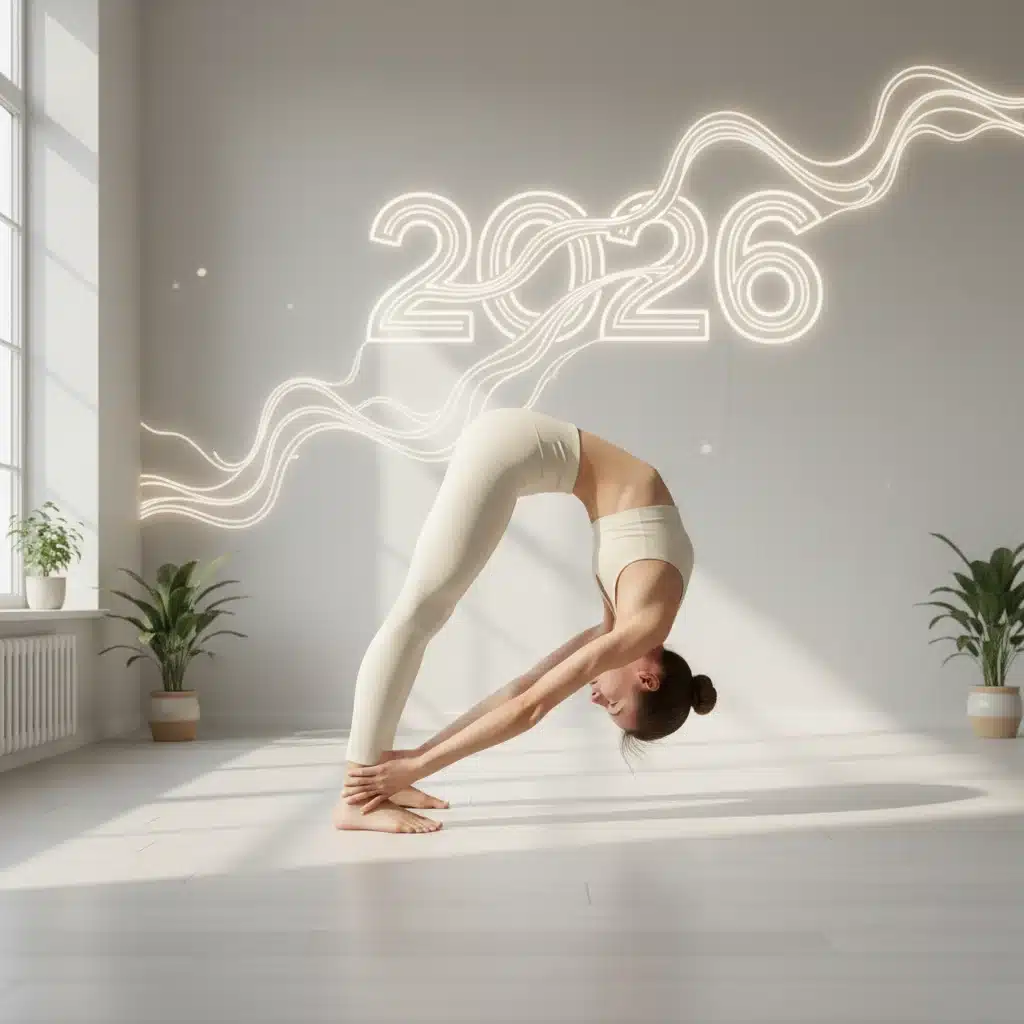
In the evolving landscape of wellness and physical mastery, 2026 is poised to be a year where individuals truly dive deeper into their physical capabilities. For many, this journey begins on the yoga mat, pushing beyond basic stretches to embrace the profound benefits of enhanced flexibility. If you’ve been practicing yoga for a while and feel ready to explore new frontiers, you’re in the right place. This comprehensive guide will unveil 3 advanced yoga sequences meticulously crafted to significantly boost your flexibility, deepen your stretches, and elevate your overall practice. Our focus on advanced yoga flexibility ensures that every movement, every breath, brings you closer to a more supple, resilient, and balanced body.
Understanding Advanced Yoga Flexibility: More Than Just Bending
Before we delve into specific sequences, let’s clarify what advanced yoga flexibility truly entails. It’s not merely about how far you can bend or how deep you can go into a pose. True flexibility, especially at an advanced level, encompasses a harmonious blend of strength, stability, body awareness, and breath control. Without these foundational elements, pushing for deeper stretches can lead to injury and frustration rather than progress.
The Pillars of Advanced Flexibility:
- Strength: Flexible muscles need to be strong muscles. Strength protects joints and allows you to safely enter and hold challenging poses.
- Stability: A stable core and strong supporting muscles are crucial for maintaining balance and preventing overstretching.
- Body Awareness (Proprioception): Understanding where your body is in space and how it responds to different movements is key to listening to its limits and expanding them safely.
- Breath Control (Pranayama): The breath is your most powerful tool in deepening stretches. Conscious, controlled breathing helps to relax muscles, calm the nervous system, and create space within the body.
- Patience and Consistency: Flexibility is not gained overnight. It requires consistent effort, patience, and a non-judgmental approach to your practice.
As we embark on these advanced sequences, remember that the journey is as important as the destination. Listen to your body, respect its boundaries, and celebrate every small improvement. The goal is sustainable, healthy flexibility, not just impressive poses.
Sequence 1: The Spinal Odyssey – Unlocking Deeper Backbends and Twists
Our first sequence targets the spine, the central pillar of our body, and a key area for cultivating advanced yoga flexibility. This sequence is designed to progressively open the chest, shoulders, and hips, leading to deeper backbends and invigorating twists. It’s crucial to warm up thoroughly before attempting these poses, focusing on gentle spinal movements, cat-cow, and sun salutations.
Warm-up (10-15 minutes):
- Gentle Cat-Cow Flow: 5-10 rounds, coordinating with breath.
- Thread the Needle: Hold for 5 breaths each side, opening shoulders.
- Seated Spinal Twists: Gentle twists to each side, 5 breaths.
- Sun Salutations (Surya Namaskar A & B): 3-5 rounds each, building heat and fluidity.
Core Sequence for Spinal Odyssey:
1. Urdhva Dhanurasana Prep (Wheel Pose Prep)
Start by lying on your back, knees bent, feet flat on the floor close to your glutes. Place hands beside your ears, fingers pointing towards your shoulders. Inhale and lift your hips, then your chest, coming onto the crown of your head. Hold for a few breaths, engaging your core and glutes, then gently lower. Repeat 2-3 times before attempting the full pose. This builds strength and confidence for advanced yoga flexibility in backbends.
2. Urdhva Dhanurasana (Wheel Pose)
From the prep, if comfortable, press firmly through your hands and feet, lifting your entire body off the mat, straightening your arms if possible. Keep your thighs parallel and engage your glutes. Breathe deeply, expanding through the chest. Hold for 5-10 breaths. To exit, gently lower your head and then your back to the mat. Counterpose with a gentle supine twist or knees to chest.
3. Eka Pada Rajakapotasana (One-Legged King Pigeon Pose)
This pose is a powerful hip opener and backbend, contributing significantly to advanced yoga flexibility. Start in Downward-Facing Dog. Bring your right knee forward towards your right wrist, placing your right shin as parallel to the front edge of the mat as possible. Extend your left leg straight back. Square your hips. Inhale to lengthen your spine, exhale to deepen the stretch. For the advanced variation, bend your left knee and reach back with your left hand to grasp your left foot, drawing it towards your head. You can use a strap if needed. Hold for 5-10 breaths, then repeat on the other side. Remember to maintain an open chest and shoulders.
4. Parivrtta Janu Sirsasana (Revolved Head-to-Knee Pose)
A fantastic deep side bend and twist that targets the hamstrings, inner thighs, and spine. Sit with your left leg extended and your right knee bent, placing the sole of your right foot against your inner left thigh. Turn your torso towards your left leg. Inhale to lengthen, then exhale to fold over your left leg, reaching for your left foot with both hands. For the revolved variation, pivot your torso to the right, aiming to bring your left arm to the inside of your left leg, and reach your right arm overhead, grasping your left foot or shin. Gaze upwards. Feel the deep stretch along your right side body and spine. Hold for 5-8 breaths each side. This pose is crucial for multifaceted advanced yoga flexibility.
5. Ardha Matsyendrasana (Half Lord of the Fishes Pose – Advanced Variation)
This classic twist can be deepened significantly. Sit with legs extended. Bend your right knee and place your right foot flat on the floor outside your left thigh. Bend your left knee and bring your left foot to the outside of your right hip. Ensure both sit bones are grounded. Inhale, lengthen your spine. Exhale, twist to the right, placing your right hand behind you. Bring your left upper arm to the outside of your right thigh, either hugging your knee or extending your arm to bind around your right thigh and left arm. Gaze over your right shoulder. Hold for 5-10 breaths, then repeat on the other side. This twist deeply massages internal organs and enhances spinal mobility, a cornerstone of advanced yoga flexibility.
Cool Down (5-10 minutes):
- Supine Spinal Twist: Gentle release for the spine.
- Happy Baby Pose (Ananda Balasana): Gentle hip opener and lower back release.
- Savasana (Corpse Pose): At least 5-10 minutes for integration and relaxation.
Sequence 2: The Hip & Hamstring Haven – Cultivating Profound Lower Body Openness
Our second sequence focuses on the often-tight areas of the hips and hamstrings, vital for achieving deeper forward folds, splits, and other challenging poses. Developing advanced yoga flexibility in these areas can dramatically improve posture, alleviate lower back pain, and enhance overall athletic performance. Again, a thorough warm-up is non-negotiable.
Warm-up (10-15 minutes):
- Dynamic Leg Swings: Forward and backward, side to side, 10-15 swings each leg.
- Low Lunges (Anjaneyasana): 5 breaths each side, focusing on hip flexor stretch.
- Pyramid Pose Prep (Parsvottanasana Prep): Hands on blocks, focusing on hamstring length.
- Downward-Facing Dog: Pedaling feet, stretching calves and hamstrings.
Core Sequence for Hip & Hamstring Haven:
1. Hanumanasana Prep (Split Prep)
Start in a low lunge with your right foot forward. Slowly straighten your front leg, bringing your hips over your back knee. Flex your right foot, lifting your toes. Place your hands on blocks or the floor for support. Inhale to lengthen your spine, exhale to fold deeper over your front leg. Hold for 5-10 breaths. Gradually slide your front foot forward, using blocks under your hands for support, moving towards the full splits. Remember to keep your hips square. This progressive approach is key for safe and effective development of advanced yoga flexibility in the hamstrings and inner thighs.
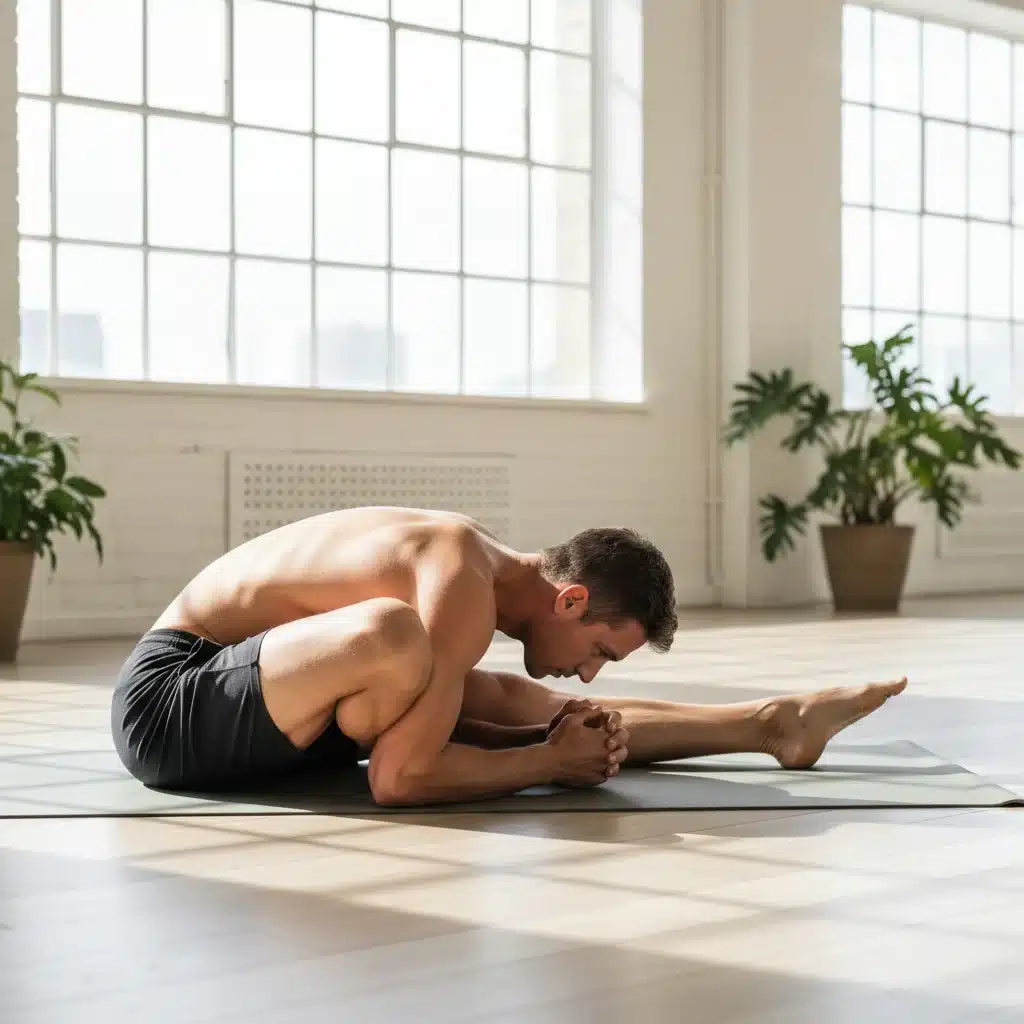
2. Kapotasana (Pigeon Pose – Advanced Variation)
Building upon Eka Pada Rajakapotasana from the previous sequence, this variation focuses on an even deeper hip opening. From Downward-Facing Dog, bring your right knee forward, placing your right shin parallel to the front edge of the mat. Slide your left leg back. Ensure your hips are squared. Instead of a backbend, focus on folding forward over your right shin, bringing your torso towards the floor. You can stack your hands or use a block under your forehead. Hold for 1-2 minutes, allowing gravity to assist in releasing tension in the outer hip and glute. This sustained hold is excellent for cultivating advanced yoga flexibility in the deep hip rotators.
3. Upavistha Konasana (Wide-Angle Seated Forward Fold)
Sit with your legs spread wide apart, forming a V-shape. Keep your feet flexed and your kneecaps pointing upwards. Place your hands on the floor in front of you. Inhale to lengthen your spine, then exhale, slowly walking your hands forward, keeping your back flat. The goal is to bring your torso towards the floor, eventually resting your forearms or chest on the mat. You can use a bolster or blocks for support. Hold for 1-2 minutes. This pose profoundly stretches the inner thighs, hamstrings, and groin, essential for advanced yoga flexibility.
4. Kurmasana (Tortoise Pose)
A very deep forward fold that requires significant hamstring and hip flexibility. Sit with your legs wide, knees bent slightly, and feet flat on the floor. Lean forward, bringing your torso between your legs. Slide your arms under your bent knees, reaching your hands outwards. If comfortable, begin to straighten your legs, keeping your arms underneath. The ultimate expression is to bring your chest and chin to the floor, with your legs straight and arms extended. This pose is a true test of advanced yoga flexibility and requires patience and a gradual approach.
5. Baddha Konasana (Bound Angle Pose – Reclined Variation)
While often seen as a foundational pose, a reclined variation can offer a deeper, more passive stretch for the inner thighs and groins, promoting relaxation. Sit in Baddha Konasana, then slowly recline onto your back, using a bolster or folded blankets under your spine for support. Allow your knees to fall open to the sides, soles of your feet together. Rest your hands on your belly or by your sides. Hold for 3-5 minutes, allowing gravity to gently deepen the stretch. This passive approach complements the more active stretches for advanced yoga flexibility.
Cool Down (5-10 minutes):
- Reclined Pigeon Pose: Gentle hip release.
- Supta Padangusthasana (Reclined Hand-to-Big-Toe Pose): Gentle hamstring and inner thigh stretch with a strap.
- Savasana (Corpse Pose): Essential for integration and rest.
Sequence 3: The Arm Balance & Inversion Integrator – Blending Flexibility with Strength & Balance
Our final sequence combines the benefits of advanced yoga flexibility with the demands of arm balances and inversions. While these categories often emphasize strength, enhanced flexibility in the shoulders, hamstrings, and hips can significantly improve your ability to enter, hold, and exit these challenging poses with grace and control. This sequence requires a strong foundation in core strength and previous experience with inversions and arm balances.
Warm-up (10-15 minutes):
- Wrist and Shoulder Warm-ups: Rotations, stretches.
- Plank Variations: Forearm plank, side plank, building core and upper body strength.
- Dolphin Pose: Strengthening shoulders and preparing for inversions.
- Standing Forward Folds: To warm up hamstrings.
Core Sequence for Arm Balance & Inversion Integrator:
1. Pincha Mayurasana (Forearm Stand) with Leg Variations
Start in Dolphin Pose. Walk your feet closer to your elbows. Lift one leg up, then lightly hop off the standing foot, bringing both legs up into Forearm Stand. Once stable, explore variations that showcase advanced yoga flexibility. For instance, bring one leg into a deep scorpion-like backbend, or open legs into a wide split (straddle). Focus on engaging your core, pressing firmly through your forearms, and keeping your gaze steady. Hold for 5-10 breaths, or as long as comfortable. Use a wall for support if needed.
2. Eka Pada Koundinyasana II (One-Legged Arm Balance II)
This arm balance requires significant hamstring flexibility and core strength. Start in a low lunge with your right foot forward. Bring your right shoulder under your right thigh. Place your hands shoulder-width apart on the floor. Shift your weight forward, lifting your back leg. Straighten your front leg out to the side, parallel to the floor, and extend your back leg straight back. Gaze forward. The ability to straighten the front leg is a direct result of cultivating advanced yoga flexibility in the hamstrings. Hold for 5 breaths each side.
3. Vrischikasana (Scorpion Pose – Handstand Variation)
An advanced inversion that demands both immense strength and spinal flexibility. Start in Handstand (Adho Mukha Vrksasana). Once stable, begin to bend your knees, bringing your heels towards your glutes. Then, slowly drop your feet towards your head, arching your back and opening your chest. This is a deep backbend within an inversion, truly testing your advanced yoga flexibility. Only attempt if you have a very strong handstand and backbend practice. Use a spotter or wall if necessary. Hold for a few breaths.
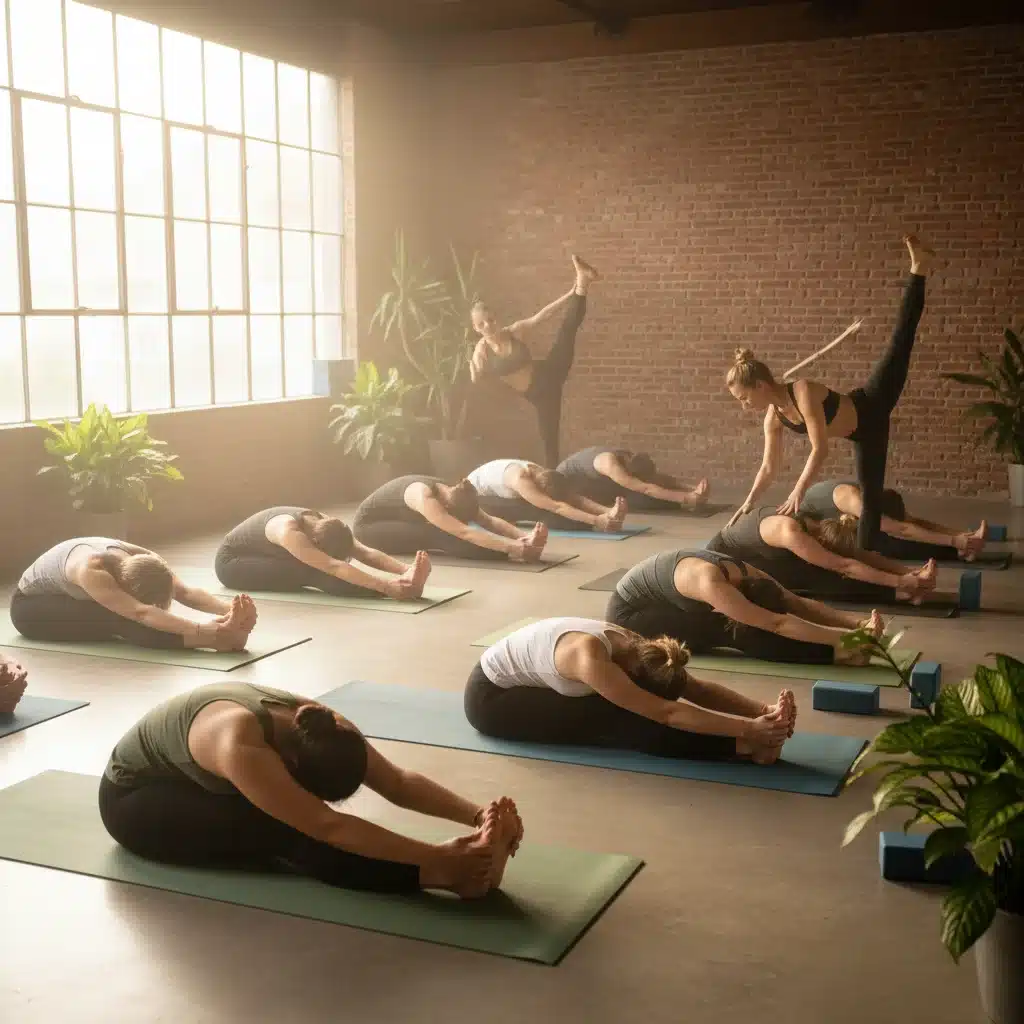
4. Visvamitrasana (Sage Visvamitra’s Pose)
This is a challenging arm balance and deep side stretch that integrates hip opening, hamstring flexibility, and upper body strength. Start in a wide-legged forward fold. Bend your right knee, bringing your right shoulder under your right thigh. Place your right hand on the floor. Extend your left leg to the side. With your left hand, grab your left foot (or use a strap). Lift your torso, extending your left arm and left leg, creating a long line. Gaze upwards. This pose requires significant advanced yoga flexibility in the hamstrings and inner thighs to extend the leg fully.
5. Ganda Bherundasana (Formidable Face Pose or Chin Stand)
This deep backbend and inversion requires incredible spinal flexibility and neck strength. Start on your hands and knees. Place your forearms on the floor, elbows shoulder-width apart. Place the crown of your head on the floor, then lift your hips, straightening your legs. Walk your feet closer to your head. Then, with control, lift your legs overhead, arching your back deeply until your feet touch the back of your head (if possible). This pose is the epitome of advanced yoga flexibility combined with strength. Approach with extreme caution and only under expert guidance.
Cool Down (5-10 minutes):
- Child’s Pose (Balasana): Gentle counterpose for the spine.
- Seated Forward Fold (Paschimottanasana): Gentle hamstring release.
- Savasana (Corpse Pose): Essential for integrating the practice.
Important Considerations for Advanced Yoga Flexibility Practice
Embarking on a journey to achieve advanced yoga flexibility is rewarding, but it demands diligence and respect for your body’s limits. Here are crucial points to always keep in mind:
1. Listen to Your Body
This cannot be stressed enough. Pain is a signal to back off, not push through. Discomfort is part of stretching, but sharp or pinching pain indicates potential injury. Always prioritize sensation over aesthetics. Your body will tell you what it’s ready for.
2. Proper Alignment is Paramount
Especially in advanced poses, slight misalignments can put undue stress on joints and ligaments. If unsure, seek guidance from an experienced yoga instructor. Proper alignment ensures you’re stretching the intended muscles safely and effectively, contributing to sustainable advanced yoga flexibility.
3. Consistency Over Intensity
Practicing regularly, even for shorter durations, is far more effective than sporadic, intense sessions. Gradual, consistent effort leads to lasting improvements in flexibility.
4. Use Props Wisely
Blocks, straps, bolsters, and blankets are your friends. They can help you achieve proper alignment, support your body, and deepen stretches safely. Don’t view props as a crutch, but as tools for intelligent practice.
5. Incorporate Strength Training
As mentioned, flexibility and strength go hand-in-hand. Incorporate strength-building exercises, both within and outside your yoga practice, to support your flexible body and prevent injuries. This balance is crucial for true advanced yoga flexibility.
6. Hydration and Nutrition
Muscles and connective tissues need to be well-hydrated to be pliable. A balanced diet rich in anti-inflammatory foods can also support tissue health and recovery.
7. Rest and Recovery
Your body needs time to repair and adapt. Overtraining can lead to plateaus or injuries. Ensure you get adequate sleep and incorporate rest days into your schedule.
8. Mind-Body Connection
Yoga is not just physical; it’s a holistic practice. Cultivate mindfulness and connect with your breath throughout your practice. This deepens the experience and enhances your ability to relax into stretches, fostering greater advanced yoga flexibility.
The Benefits of Achieving Advanced Yoga Flexibility in 2026
Beyond the ability to perform impressive poses, cultivating advanced yoga flexibility offers a myriad of benefits that extend into everyday life:
- Reduced Risk of Injury: Flexible muscles and joints are less prone to strains, sprains, and other injuries, both on and off the mat.
- Improved Posture: Increased range of motion in the spine, hips, and shoulders can correct postural imbalances, leading to a more upright and confident stance.
- Alleviated Muscle Soreness and Stiffness: Regular stretching helps to release tension and improve blood flow, reducing post-exercise soreness and everyday stiffness.
- Enhanced Athletic Performance: Athletes across various disciplines can benefit from increased flexibility, leading to greater power, agility, and efficiency of movement.
- Better Circulation: Stretching can improve blood flow to muscles and tissues, promoting nutrient delivery and waste removal.
- Stress Reduction: Many deep stretches, especially those held for longer durations, activate the parasympathetic nervous system, promoting relaxation and reducing stress.
- Increased Body Awareness: A deeper connection to your physical self, understanding its capabilities and needs.
- Mental Resilience: The discipline and patience required for advanced flexibility practice translate into mental fortitude and a greater ability to face challenges.
Conclusion: Your Journey to Advanced Yoga Flexibility in 2026
The year 2026 presents an exciting opportunity to redefine your physical boundaries and unlock new levels of advanced yoga flexibility. The three sequences outlined in this guide – The Spinal Odyssey, The Hip & Hamstring Haven, and The Arm Balance & Inversion Integrator – provide a structured pathway to achieve deeper stretches and a more profound practice. Remember that true progress is a marathon, not a sprint. It’s built on consistency, mindful effort, and a deep respect for your body’s wisdom.
Embrace the journey, celebrate your incremental achievements, and always prioritize safety and well-being. With dedication and the right approach, you will not only achieve remarkable physical flexibility but also cultivate a stronger, more resilient mind and spirit. Step onto your mat in 2026 with intention, and prepare to be amazed by what your body and mind can accomplish.
What are your personal goals for advanced yoga flexibility this year? Share your experiences and tips in the comments below!