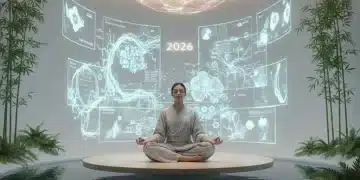
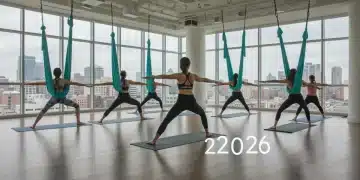
2026 Yoga Teacher Training: Trends, Investment & Program Selection

The world of yoga is constantly evolving, and with it, the landscape of yoga teacher training. As we look towards 2026, aspiring yoga instructors and seasoned practitioners alike are seeking programs that not only provide a solid foundation in traditional yoga but also equip them with the skills and knowledge to thrive in a dynamic and increasingly digital environment. Understanding the 2026 Yoga Training Trends is paramount for anyone considering this transformative journey. This comprehensive guide will delve into what to look for in a program to maximize your investment, ensuring you’re well-prepared for a successful and fulfilling career.
The Shifting Paradigm: Key 2026 Yoga Training Trends
The yoga community is experiencing significant shifts, driven by technological advancements, a deeper understanding of wellness, and a growing demand for specialized instruction. Staying ahead of these 2026 Yoga Training Trends is crucial for selecting a program that offers relevance and longevity.
Hybrid and Online Learning Dominance
One of the most significant trends that will continue to shape yoga teacher training in 2026 is the widespread adoption of hybrid and fully online learning models. The flexibility offered by these formats allows individuals from diverse backgrounds and geographical locations to access high-quality instruction. Online programs have matured significantly, moving beyond basic video lectures to incorporate interactive live sessions, personalized feedback, and robust community platforms. When evaluating programs, consider:
- Interactive Platforms: Does the program utilize advanced learning management systems (LMS) that facilitate real-time interaction, group discussions, and peer-to-peer learning?
- Live Session Quality: Are live sessions well-structured, engaging, and led by experienced instructors who can effectively translate complex concepts to a virtual environment?
- Practical Application: How does the program ensure students gain practical teaching experience and receive constructive feedback in an online setting? Look for opportunities for practice teaching, recording assignments, and one-on-one mentorship.
- Technical Support: Is there adequate technical support available for students navigating the online learning environment?
Emphasis on Niche Specializations and Therapeutic Applications
The days of a one-size-fits-all yoga teacher are gradually fading. In 2026, there’s a heightened demand for teachers with specialized knowledge, catering to specific populations or addressing particular health concerns. This trend reflects a broader societal shift towards personalized wellness and preventative healthcare. Programs that integrate niche specializations from the outset or offer advanced modules are highly valuable. Some popular specializations include:
- Trauma-Informed Yoga: Understanding how trauma affects the body and mind, and how to create safe and supportive yoga spaces.
- Adaptive Yoga: Teaching yoga to individuals with physical disabilities, chronic illnesses, or limited mobility.
- Prenatal and Postnatal Yoga: Guiding expectant and new mothers through safe and beneficial practices.
- Yoga for Athletes: Tailoring yoga practices to enhance performance, aid recovery, and prevent injuries in athletes.
- Yoga for Mental Health: Integrating yoga techniques to support individuals dealing with anxiety, depression, or stress.
- Ayurveda Integration: Combining yoga with Ayurvedic principles for a holistic approach to health and well-being.
A program that offers a strong foundation in anatomy, physiology, and subtle body mechanics, alongside opportunities to explore these specializations, will provide a significant advantage in the competitive yoga market.
Integration of Modern Science and Traditional Wisdom
The most impactful 2026 Yoga Training Trends will bridge the gap between ancient yogic wisdom and contemporary scientific understanding. Students are increasingly seeking programs that can explain the ‘why’ behind practices, drawing from fields like neuroscience, biomechanics, and psychology. This integration enhances the credibility of yoga as a therapeutic modality and empowers teachers to articulate the benefits of yoga in a language accessible to a broader audience.
- Anatomy & Physiology: Look for in-depth modules on functional anatomy, understanding how poses impact the body, and injury prevention.
- Neuroscience of Yoga: Explore how breathwork, meditation, and asana affect the brain and nervous system.
- Psychology & Mindfulness: Understand the psychological benefits of yoga and how to integrate mindfulness practices effectively.
Emphasis on Business Acumen and Marketing Skills
Becoming a yoga teacher is often synonymous with becoming an entrepreneur. The best programs in 2026 will recognize this reality and offer modules on the business aspects of teaching yoga. This includes:
- Marketing and Branding: How to effectively market yourself, build a personal brand, and attract students.
- Social Media Strategies: Utilizing platforms like Instagram, Facebook, and TikTok to reach a wider audience.
- Building a Sustainable Business: Understanding pricing strategies, creating workshops, and managing finances.
- Legal and Ethical Considerations: Navigating insurance, liability, and professional ethics.
A program that equips you with these practical skills will significantly enhance your ability to build a sustainable and successful career.
Maximizing Your Investment: What to Look For in a Program
Investing in a yoga teacher training program is a significant decision, both financially and in terms of time commitment. To maximize your return on investment and ensure you choose a program that aligns with the 2026 Yoga Training Trends, consider the following:
Accreditation and Reputation
Accreditation by recognized bodies, such as Yoga Alliance, provides a baseline standard for quality and ensures the program meets certain requirements. While not the sole determinant, it offers a level of assurance. Beyond accreditation, research the reputation of the school and its lead instructors. Look for:
- Experienced Lead Trainers: What are their qualifications, teaching experience, and areas of expertise? Do they embody the principles of yoga?
- Alumni Testimonials: What do past graduates say about their experience in the program and their subsequent teaching careers?
- Community Engagement: Does the school have a strong and supportive community, both during and after the training?
Curriculum Depth and Breadth
A strong curriculum is the backbone of any effective training program. In the context of 2026 Yoga Training Trends, look for a curriculum that:
- Covers Core Principles: Includes comprehensive modules on asana, pranayama, meditation, yoga philosophy, anatomy, and teaching methodology.
- Offers Specialization Options: Provides opportunities to explore niche areas that resonate with your interests and career goals.
- Blends Theory and Practice: Balances theoretical knowledge with ample opportunities for practical application, including practice teaching, adjustments, and sequencing.
- Includes Modern and Traditional Aspects: Integrates contemporary scientific understanding with ancient yogic texts and teachings.

Teaching Methodology and Pedagogy
How you learn to teach is as important as what you learn. A high-quality program will emphasize effective teaching methodologies that empower you to become a confident, articulate, and compassionate instructor. Look for:
- Observation and Feedback: Opportunities to observe experienced teachers and receive constructive feedback on your own teaching.
- Sequencing and Class Planning: Comprehensive training in designing well-rounded, safe, and engaging yoga classes.
- Verbal and Non-Verbal Cues: Developing clear communication skills, both through verbal instruction and body language.
- Modifications and Adjustments: Learning how to offer appropriate modifications for different body types and abilities, and understanding safe hands-on adjustments (if applicable to the program’s philosophy).
Post-Training Support and Mentorship
The journey of a yoga teacher doesn’t end with certification. The best programs offer ongoing support and mentorship to help graduates navigate the early stages of their teaching careers. This can include:
- Mentorship Programs: Opportunities to connect with experienced teachers for guidance and support.
- Continuing Education: Access to workshops, advanced trainings, and resources for ongoing professional development.
- Job Placement Assistance: While not always guaranteed, some programs may offer guidance or connections for teaching opportunities.
- Community Network: A strong alumni network that fosters collaboration, support, and shared learning experiences.
Ethical Considerations and Inclusivity Training
As the yoga community continues to grow and diversify, ethical considerations and inclusivity training are becoming increasingly vital components of quality teacher training. Programs that align with 2026 Yoga Training Trends will prioritize:
- Cultural Sensitivity: Understanding the origins of yoga and teaching practices in a respectful and authentic manner, avoiding cultural appropriation.
- Diversity and Inclusion: Learning to create welcoming and accessible spaces for students of all backgrounds, abilities, body types, and identities.
- Power Dynamics: Recognizing and navigating power dynamics inherent in the teacher-student relationship with integrity and responsibility.
- Scope of Practice: Clearly defining the boundaries of a yoga teacher’s role and understanding when to refer students to other healthcare professionals.
Choosing a program that deeply integrates these ethical frameworks will not only enhance your teaching but also contribute to a more equitable and compassionate yoga community.
Understanding the Investment: Time, Money, and Energy
A yoga teacher training program requires a significant investment on multiple fronts. Understanding these aspects upfront will help you plan effectively and maximize your returns.
Financial Investment
The cost of yoga teacher training can vary widely, from a few hundred dollars for specialized modules to several thousand for comprehensive 200-hour or 300-hour programs. When evaluating the financial aspect, consider:
- Tuition Fees: What is included in the base tuition? Are there any hidden costs?
- Additional Expenses: Factor in costs for textbooks, props, travel (if applicable), food, and accommodation.
- Payment Plans and Scholarships: Do they offer flexible payment options or scholarships to make the program more accessible?
- Value for Money: Assess the quality of the curriculum, the experience of the instructors, and the post-training support against the cost. A higher price doesn’t always guarantee better quality, but extremely low-cost programs might lack depth.
Time Commitment
Yoga teacher training is intensive and requires a substantial time commitment. Whether you choose an immersive in-person retreat or a flexible online program, be prepared to dedicate significant hours to:
- Contact Hours: Direct instruction from lead trainers.
- Non-Contact Hours: Reading, assignments, practice teaching, and self-study.
- Personal Practice: Maintaining and deepening your own yoga and meditation practice.
Ensure the program’s schedule aligns with your personal and professional commitments to avoid burnout and maximize your learning experience.
Energy and Emotional Investment
Beyond the tangible, yoga teacher training is a deeply personal and transformative journey. It requires an investment of emotional and mental energy as you confront your own patterns, beliefs, and limitations. Be prepared for:
- Self-Reflection: Deep introspection and self-discovery.
- Personal Growth: Challenging your comfort zones and expanding your perspectives.
- Community Building: Engaging with fellow students and instructors, which can be both rewarding and emotionally demanding.
Choosing a program that fosters a supportive and nurturing environment is crucial for navigating this intense period of growth.
The Future of Yoga Teaching: Adapting to 2026 and Beyond
The landscape for yoga teachers in 2026 will be characterized by innovation, adaptability, and a strong commitment to serving diverse needs. Graduates of programs that align with the aforementioned 2026 Yoga Training Trends will be uniquely positioned for success.
Embracing Technology for Broader Reach
Successful yoga teachers will increasingly leverage technology to expand their reach beyond local studios. This means:
- Online Class Delivery: Offering live-streamed and on-demand classes to a global audience.
- Building Online Communities: Creating digital spaces for students to connect, share, and learn.
- Content Creation: Developing engaging video tutorials, blog posts, and social media content to share knowledge and build a following.

Cultivating a Niche and Building a Brand
With the proliferation of yoga teachers, finding your unique voice and specialization will be key. Instead of trying to appeal to everyone, focus on serving a specific community or addressing a particular need. This allows you to:
- Attract Ideal Students: Connect with individuals who truly resonate with your teaching style and expertise.
- Become an Authority: Establish yourself as an expert in your chosen niche.
- Create Sustainable Offerings: Develop workshops, programs, and retreats that cater specifically to your target audience.
Lifelong Learning and Continued Professional Development
The best yoga teachers are lifelong learners. The 2026 Yoga Training Trends emphasize that initial certification is just the beginning. Commit to ongoing professional development through:
- Advanced Trainings: Pursuing 300-hour or specialized certifications.
- Workshops and Retreats: Attending regular workshops to deepen your knowledge and refine your skills.
- Mentorship: Seeking guidance from senior teachers.
- Self-Study: Continuously reading, researching, and engaging with yogic philosophy and modern wellness science.
Conclusion: Investing Wisely in Your Yoga Journey
Choosing a yoga teacher training program in 2026 is an exciting opportunity to embark on a path of profound personal growth and professional fulfillment. By carefully considering the evolving 2026 Yoga Training Trends, and evaluating programs based on accreditation, curriculum, teaching methodology, post-training support, and ethical considerations, you can make an informed decision that maximizes your investment.
Remember that the best program is one that resonates with your personal values, aligns with your career aspirations, and equips you with the skills to confidently and compassionately share the transformative power of yoga with the world. Take your time, do your research, and trust your intuition. Your journey as a yoga teacher begins with this foundational choice, setting the stage for a rewarding and impactful career in the years to come.
Embrace the future of yoga education, and step into your role as a mindful and skilled instructor, ready to meet the evolving needs of the global yoga community.