Biofeedback & Yoga: Optimize Breathwork, Reduce Anxiety
Actionable Insights: Using Biofeedback Devices with Yoga to Optimize Breathwork and Reduce Anxiety by 18% in 3 Months
In our increasingly fast-paced world, the quest for inner peace and effective stress management has become more critical than ever. Many individuals turn to ancient practices like yoga, renowned for its holistic benefits, particularly in breathwork. However, what if we could amplify these benefits, making them measurable and more targeted? Enter the powerful combination of biofeedback devices and yoga. This article delves into how integrating biofeedback yoga breathwork can lead to profound improvements in well-being, specifically targeting anxiety reduction, with the ambitious yet achievable goal of an 18% decrease in just three months.
The journey to mastering our internal states often feels elusive. We know we’re stressed, but understanding the precise physiological responses – heart rate variability, skin temperature, muscle tension – and learning to consciously regulate them is a game-changer. Biofeedback offers this window into our body’s intricate workings, providing real-time data that empowers us to take control. When coupled with the mindful and intentional practice of yoga, particularly its emphasis on breath, the synergy is undeniable.
This comprehensive guide will explore the scientific underpinnings of biofeedback and yoga, detail practical strategies for their integration, and provide actionable steps for optimizing your breathwork to significantly reduce anxiety. Prepare to embark on a transformative journey that combines ancient wisdom with modern technology to unlock a deeper level of self-awareness and control.
Understanding the Foundation: Biofeedback and Yoga Explained
What is Biofeedback?
Biofeedback is a non-invasive therapeutic technique where individuals learn to control their physiological processes that are normally involuntary, such as heart rate, blood pressure, muscle tension, and skin temperature. This learning occurs by using electronic instruments to monitor and display these bodily functions in real-time. The “feedback” part is crucial: it allows you to see how your thoughts, emotions, and actions affect your body. For instance, if you’re feeling stressed, a biofeedback device might show an elevated heart rate or increased muscle tension. By consciously trying relaxation techniques, you can observe the immediate impact on these readings, thereby learning to “bio-regulate” your body.
There are several types of biofeedback:
- Electromyography (EMG): Measures muscle activity and tension. Useful for tension headaches, chronic pain, and muscle spasms.
- Thermal Biofeedback: Measures skin temperature. Often used for stress-related conditions like migraines and Raynaud’s disease, as stress can cause blood vessels to constrict and skin temperature to drop.
- Neurofeedback (EEG Biofeedback): Measures brainwave activity. Used for conditions like ADHD, anxiety, and epilepsy.
- Heart Rate Variability (HRV) Biofeedback: Measures the variation in time between heartbeats. A higher HRV generally indicates a more resilient nervous system and better stress management. This is particularly relevant for biofeedback yoga breathwork.
- Electrodermal Activity (EDA) Biofeedback (or Galvanic Skin Response – GSR): Measures sweat gland activity, which is influenced by emotional state. Useful for anxiety and phobias.
- Capnometry (Respiratory Biofeedback): Measures end-tidal CO2, helping to regulate breathing patterns.
The core principle is self-regulation. By understanding how your body responds, you gain the ability to influence those responses, moving from a state of involuntary reaction to conscious control. This empowers individuals to manage stress, reduce pain, and improve overall health without relying solely on external interventions.
The Essence of Yoga: Beyond Asanas
Yoga, an ancient practice originating in India, is far more than just physical postures (asanas). It is a holistic discipline that integrates physical, mental, and spiritual elements to achieve harmony and balance. While the physical benefits of yoga – increased flexibility, strength, and balance – are widely recognized, its profound impact on mental and emotional well-being is equally significant.
Key components of yoga include:
- Asanas (Physical Postures): Designed to strengthen and stretch the body, improve circulation, and release tension.
- Pranayama (Breath Control): “Prana” refers to life force or vital energy, and “ayama” means extension or control. Pranayama techniques involve conscious regulation of breath, which directly influences the nervous system. This is a cornerstone of anxiety reduction and where biofeedback yoga breathwork truly shines.
- Dhyana (Meditation): Practices that cultivate focus, mindfulness, and inner stillness, leading to clarity and peace.
- Yamas & Niyamas (Ethical Principles): Guidelines for living a purposeful and harmonious life, fostering self-discipline and compassion.
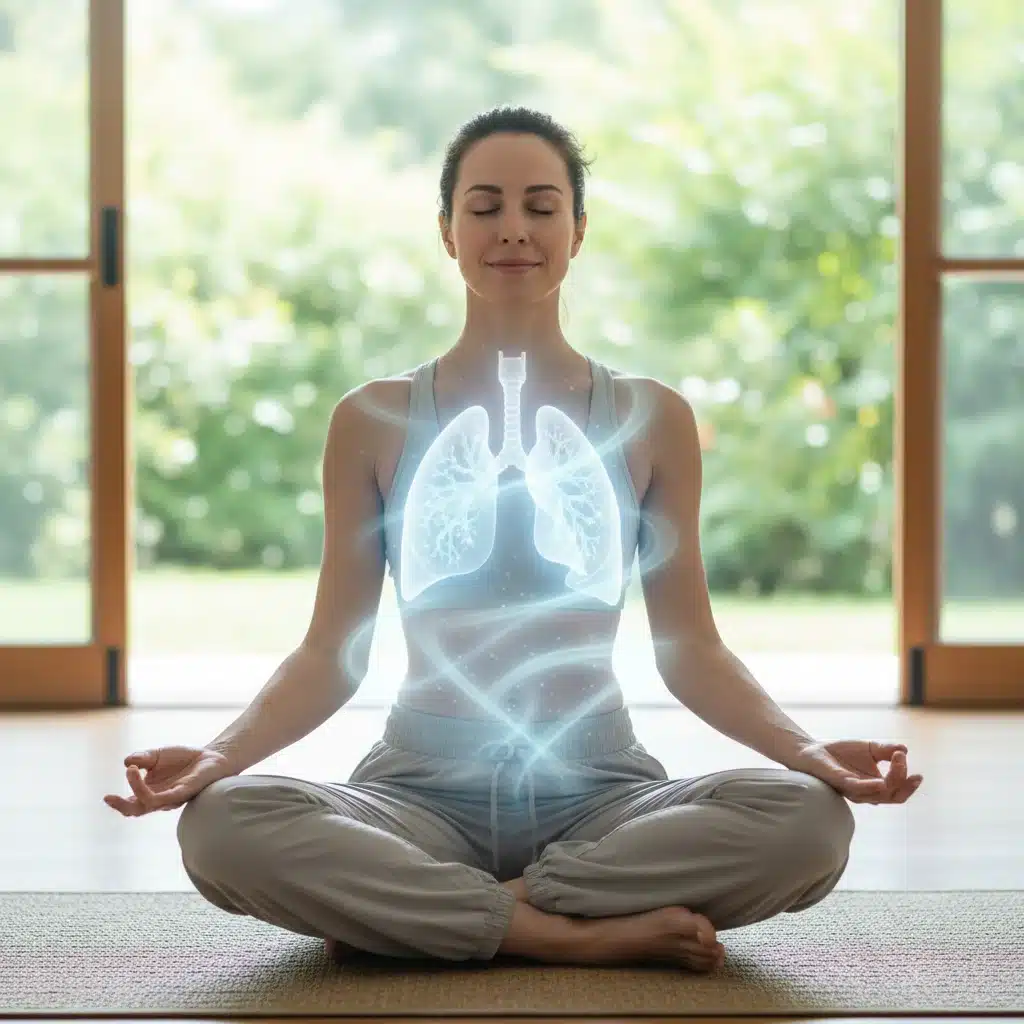
For anxiety reduction, pranayama is particularly potent. Slow, deep, and rhythmic breathing stimulates the vagus nerve, activating the parasympathetic nervous system – the “rest and digest” response. This counteracts the “fight or flight” response triggered by stress, leading to a calming effect on both mind and body. Yoga’s emphasis on present moment awareness also helps to break the cycle of anxious thoughts, anchoring the mind in the here and now.
The Synergy: How Biofeedback Enhances Yoga Practice
The integration of biofeedback into yoga practice creates a powerful feedback loop that accelerates learning and deepens the self-regulation process. While yoga inherently teaches self-awareness, biofeedback provides objective, real-time data that validates and guides your efforts. This means you don’t just “feel” like you’re relaxing; you can “see” your body responding.
Real-Time Data for Deeper Awareness
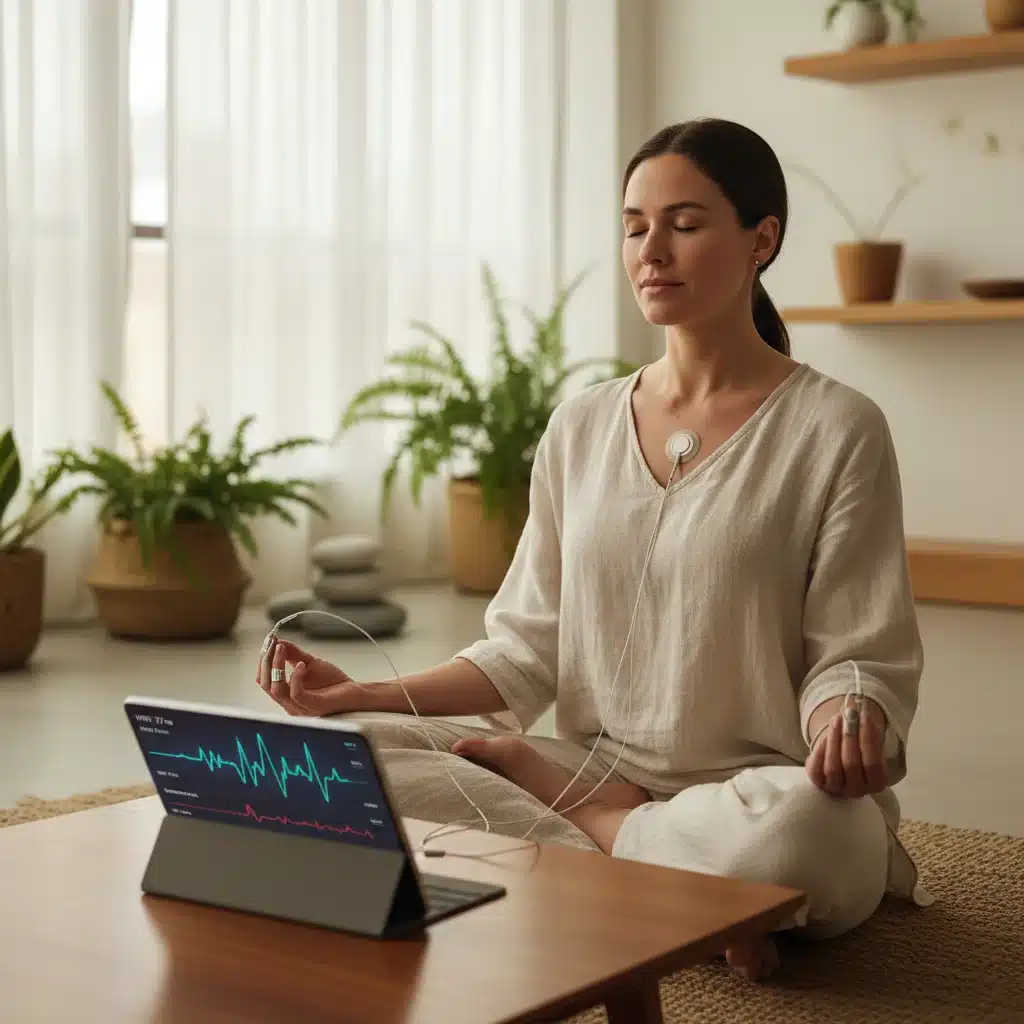
Imagine practicing a calming pranayama technique like Nadi Shodhana (Alternate Nostril Breathing). Without biofeedback, you might feel some relaxation, but you wouldn’t know the exact impact on your heart rate variability or skin conductance. With a biofeedback device, you can instantly observe how each inhale and exhale affects these physiological markers. This immediate feedback helps you refine your technique, making subtle adjustments to breath depth, rhythm, and hold times to achieve optimal physiological responses.
This objective data:
- Validates your efforts: Seeing your heart rate drop or HRV improve confirms that your practice is effective, boosting motivation.
- Guides your adjustments: If a particular breathing pattern isn’t yielding the desired results, the data helps you identify this and try a different approach.
- Accelerates learning: The direct cause-and-effect relationship displayed by biofeedback speeds up the process of mastering self-regulation.
Optimizing Biofeedback Yoga Breathwork for Anxiety
Anxiety is often characterized by shallow, rapid, and irregular breathing. This hyperventilation can lead to a cascade of physical symptoms, exacerbating anxious feelings. By focusing on biofeedback yoga breathwork, individuals can specifically train their respiratory system to adopt more calming patterns.
Here’s how this combination works to optimize breath and reduce anxiety:
- Identifying Dysfunctional Patterns: A biofeedback device can quickly show you if your breathing is too fast, shallow, or irregular, especially during moments of perceived stress. This awareness is the first step towards change.
- Conscious Regulation: During yoga, particularly pranayama, you practice specific breathing techniques. With biofeedback, you can see if your attempts to slow your breath, deepen your inhale, or lengthen your exhale are actually producing the desired physiological changes (e.g., increased HRV, reduced muscle tension).
- Diaphragmatic Breathing Mastery: Many people breathe shallowly from their chest. Biofeedback, especially respiratory belts that measure abdominal expansion, can help you learn and master diaphragmatic breathing, which is crucial for activating the parasympathetic nervous system.
- Coherence Training: HRV biofeedback often focuses on achieving “coherence,” a state where heart rate, breathing, and blood pressure rhythms are synchronized, indicating optimal physiological functioning and a balanced nervous system. Yoga breathwork naturally promotes this, and biofeedback provides the precise metrics to achieve it consistently.
By consistently practicing biofeedback yoga breathwork, you retrain your nervous system to be less reactive to stressors and more adept at returning to a state of calm. This physiological shift is fundamental to long-term anxiety reduction.
Practical Implementation: Integrating Biofeedback into Your Yoga Practice
Ready to combine these powerful modalities? Here’s a step-by-step guide to integrating biofeedback devices into your yoga routine.
Choosing the Right Biofeedback Device
The market offers a range of biofeedback devices, varying in sophistication and price. For optimizing biofeedback yoga breathwork and reducing anxiety, focus on devices that measure:
- Heart Rate Variability (HRV): Often measured via finger sensors, ear clips, or chest straps.
- Respiration: Some devices include respiratory belts or track breath rate through HRV data.
- Skin Conductance (EDA/GSR): Measures sweat gland activity, an indicator of sympathetic nervous system arousal.
Popular consumer-grade biofeedback devices include:
- HeartMath Inner Balance/emWave: Excellent for HRV coherence training.
- Muse Headband: Primarily neurofeedback, but newer versions also track heart rate and breath.
- Welltory/Elite HRV (Apps with external sensors): Utilize chest straps or finger sensors for detailed HRV analysis.
- Biofeedback apps with external sensors: Many smartphone apps can connect to affordable external sensors for basic biofeedback.
When selecting a device, consider ease of use, data visualization, and compatibility with your smartphone or computer. Start with a device that provides clear, actionable feedback on your breath and heart rate.
Setting Up Your Practice Space
Create a calm and distraction-free environment for your integrated practice. This means:
- A quiet room where you won’t be disturbed.
- A comfortable yoga mat and perhaps a cushion for seated postures.
- Good lighting, ideally natural light.
- Your biofeedback device charged and ready, with its associated app open on your phone or tablet. Position it so you can easily view the feedback without straining.
Key Yoga Poses and Breathwork Techniques for Biofeedback Integration
While almost any yoga pose can be enhanced with biofeedback, certain postures and pranayama techniques are particularly effective for fostering relaxation and improving breath control.
Restorative Poses (with Biofeedback Focus):
- Supported Supta Baddha Konasana (Reclined Bound Angle Pose): Lie back over bolsters, with soles of feet together and knees open. Monitor your HRV and breath rate. Notice how supportive props allow for deeper relaxation and how your body responds.
- Viparita Karani (Legs-Up-The-Wall Pose): Lie with legs up a wall. This pose is inherently calming. Use biofeedback to observe the subtle shifts in your physiological state as you hold the pose and focus on your breath.
- Child’s Pose (Balasana): A comforting pose that encourages introspection. Observe how your breath moves through your back and abdomen, using biofeedback to confirm diaphragmatic engagement.
Pranayama Techniques (with Biofeedback Focus):
- Diaphragmatic (Belly) Breathing: This is foundational. Place one hand on your chest and one on your belly. As you inhale, feel your belly rise; as you exhale, feel it fall. Use biofeedback (e.g., a respiratory belt or HRV device) to confirm that your diaphragm is actively engaged. Aim for slow, deep breaths – perhaps 5-6 breaths per minute. The goal is to see a smooth, wave-like pattern in your HRV graph.
- Ujjayi Breath (Victorious Breath): A gentle constriction in the back of the throat creates an oceanic sound. This controlled breath helps regulate the nervous system. Monitor your heart rate and HRV. Can you maintain a stable, coherent HRV pattern even with the slight effort of the throat constriction?
- Nadi Shodhana (Alternate Nostril Breathing): A powerful technique for balancing the left and right hemispheres of the brain and calming the nervous system. Practice this while observing your biofeedback data. Does it lead to a more balanced HRV? Does your skin conductance decrease?
- Box Breathing (Sama Vritti): Inhale for a count of four, hold for four, exhale for four, hold for four. This rhythmic breathing is excellent for coherence. Use your biofeedback device to visually confirm the “box” pattern in your breath and its effect on your heart rate.
Structuring Your Biofeedback Yoga Session
A typical session might look like this:
- Baseline Measurement (5-10 minutes): Begin by sitting or lying comfortably without any specific breathwork. Connect your biofeedback device and record a baseline of your physiological data. This helps you understand your starting point.
- Warm-up & Gentle Movement (10-15 minutes): Engage in gentle yoga movements to prepare your body. Pay attention to how these movements affect your baseline readings.
- Focused Pranayama with Biofeedback (15-20 minutes): Choose 1-2 pranayama techniques. During this phase, actively watch your biofeedback display. Experiment with subtle changes in your breath – deeper inhale, longer exhale, brief pauses – and observe the immediate impact on your heart rate, HRV, or skin conductance. The goal is to consciously guide your physiological responses towards a more relaxed state.
- Restorative Poses with Biofeedback (10-15 minutes): Move into restorative poses. Continue monitoring your biofeedback. Focus on maintaining the calm state achieved during pranayama.
- Savasana (Corpse Pose) & Integration (5-10 minutes): Conclude with Savasana. While still connected to the biofeedback device, allow your body to fully relax. Observe how your body naturally settles into a deeper state of calm.
- Review & Reflection: After your session, review the data recorded by your biofeedback device. Note any patterns, successes, or areas for improvement. Journal about your experience.
Consistency is key. Aim for 3-5 sessions per week, even if they are shorter (20-30 minutes).
Measuring Progress: Achieving 18% Anxiety Reduction in 3 Months
The promise of reducing anxiety by a specific percentage – 18% in three months – might seem ambitious, but with consistent biofeedback yoga breathwork, it’s an achievable goal. The key lies in systematic measurement and diligent practice.
Establishing a Baseline for Anxiety
Before you begin, it’s crucial to quantify your current anxiety levels. This isn’t just a “feeling”; there are reliable tools:
- Generalized Anxiety Disorder 7-item (GAD-7) Scale: A widely used, self-administered questionnaire that screens for and measures the severity of generalized anxiety disorder. A score of 0-4 indicates minimal anxiety, 5-9 mild, 10-14 moderate, and 15-21 severe.
- Hamilton Anxiety Rating Scale (HAM-A): A clinician-administered scale, but self-report versions are also available.
- Daily Anxiety Journal: Keep a journal where you rate your anxiety on a scale of 1-10 at different times of the day, noting triggers and physical sensations.
- Biofeedback Metrics: Your baseline biofeedback readings (HRV, skin conductance, resting heart rate) before starting your practice will also serve as objective indicators of your physiological stress response.
Take one of these assessments at the beginning of your three-month period. This will be your “100%” starting point from which to measure the 18% reduction.
Tracking Progress with Biofeedback Data
Your biofeedback device will be an invaluable tool for tracking physiological changes directly related to anxiety reduction:
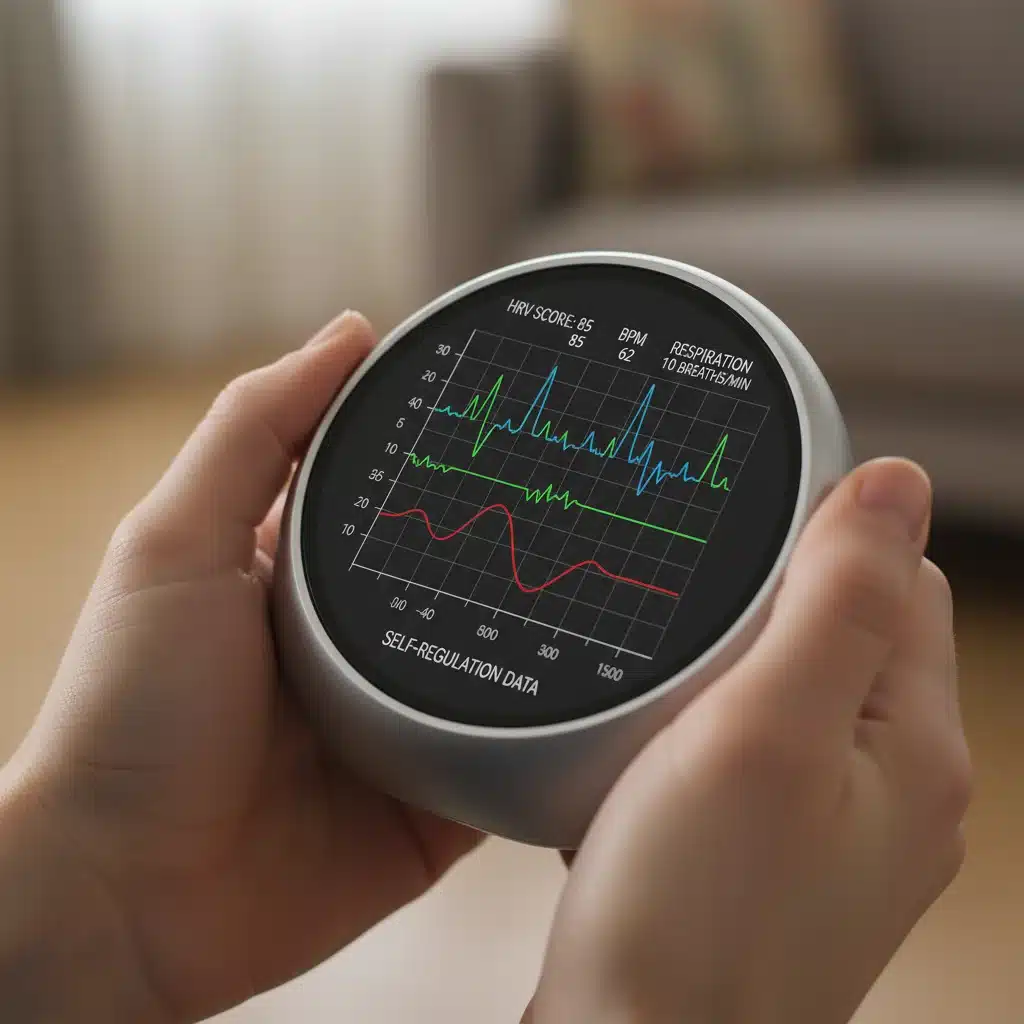
- Increased Heart Rate Variability (HRV): A higher HRV indicates a more adaptable nervous system and better stress resilience. As you consistently practice biofeedback yoga breathwork, expect to see an upward trend in your average HRV scores.
- Lower Resting Heart Rate: As your nervous system becomes more balanced, your resting heart rate should gradually decrease.
- Reduced Skin Conductance: Lower EDA/GSR readings indicate decreased sympathetic nervous system arousal and greater relaxation.
- Improved Respiration Patterns: More consistent, slower, and deeper breathing patterns will be evident in your respiratory data.
Many biofeedback apps provide historical data and trend analysis, allowing you to visualize your progress over weeks and months. This objective data reinforces your efforts and makes the reduction tangible.
Correlating Biofeedback Data with Subjective Experience
It’s not just about the numbers; it’s about how you feel. Regularly compare your biofeedback data with your subjective experience:
- Weekly Anxiety Check-ins: Re-take the GAD-7 or a similar anxiety scale every 2-4 weeks.
- Journaling: Continue to journal about your anxiety levels, noting any changes in intensity, frequency, or duration of anxious episodes. Are you reacting differently to stressors? Do you feel calmer overall?
- Sleep Quality: Anxiety often disrupts sleep. Track your sleep patterns (many wearables do this) and observe if improved breathwork leads to better sleep quality.
The 18% reduction target is an average. Some individuals might see more, others slightly less, but consistent practice with guided biofeedback will undoubtedly lead to significant improvements.
Deep Dive into the Science: Why Biofeedback Yoga Breathwork Works
The Vagus Nerve and Parasympathetic Activation
The vagus nerve is the longest cranial nerve, extending from the brainstem to the abdomen, playing a crucial role in regulating internal organ functions, including digestion, heart rate, and respiratory rate. It is a primary component of the parasympathetic nervous system (PNS), responsible for the “rest and digest” response.
When we are stressed, the sympathetic nervous system (SNS) – the “fight or flight” response – dominates. Rapid, shallow breathing is a hallmark of SNS activation. Conversely, slow, deep, diaphragmatic breathing, as practiced in yoga and guided by biofeedback, directly stimulates the vagus nerve. This vagal stimulation:
- Lowers Heart Rate: By signaling the heart to slow down.
- Increases Heart Rate Variability (HRV): A higher HRV indicates a more flexible and resilient nervous system, better able to adapt to stress.
- Reduces Inflammation: The vagus nerve has anti-inflammatory properties.
- Promotes Relaxation: Shifting the body from a state of arousal to one of calm.
Biofeedback provides direct evidence of this vagal tone improvement. When your HRV patterns become more coherent and your heart rate stabilizes, you are actively strengthening your vagus nerve and enhancing your body’s natural ability to relax.
Neuroplasticity and Habit Formation
Our brains are incredibly adaptable, a phenomenon known as neuroplasticity. Every thought, emotion, and experience can subtly alter the neural pathways in our brain. When we repeatedly engage in anxious thought patterns or stress responses, we strengthen those neural circuits, making anxiety more habitual.
Biofeedback yoga breathwork works on the principle of neuroplasticity in two key ways:
- Rewiring Stress Responses: By consciously practicing calming breath techniques and seeing the positive physiological feedback, you are actively creating new neural pathways that promote relaxation. Over time, these new pathways become stronger, making it easier for your body and mind to default to a calm state even in stressful situations.
- Developing Self-Awareness: The real-time data from biofeedback enhances interoception – the ability to perceive your internal bodily states. This heightened awareness allows you to catch the early signs of stress or anxiety and intervene with learned breath techniques before they escalate.
Consistent practice over three months is sufficient to begin solidifying these new, healthier habits and neural connections, leading to a lasting reduction in anxiety.
The Role of Carbon Dioxide (CO2) in Anxiety
While often overlooked, the balance of carbon dioxide in the blood plays a critical role in anxiety. Hyperventilation (rapid, shallow breathing), common during anxiety attacks, leads to an excessive expulsion of CO2. This reduction in CO2 can paradoxically make you feel more anxious by:
- Increasing Blood pH (Respiratory Alkalosis): This can cause symptoms like dizziness, tingling, muscle spasms, and lightheadedness, which can be misinterpreted as signs of a panic attack.
- Reducing Oxygen Delivery to Tissues: Lower CO2 levels cause hemoglobin to hold onto oxygen more tightly (Bohr effect), meaning less oxygen is released to vital organs, including the brain. This can contribute to feelings of breathlessness and brain fog.
Yoga breathwork, especially techniques that emphasize longer exhales and controlled breathing, helps to normalize CO2 levels. Some biofeedback devices (capnometers) can even measure end-tidal CO2, providing direct feedback on your CO2 balance. By using biofeedback yoga breathwork to maintain optimal CO2 levels, you can significantly reduce the physiological triggers that contribute to anxiety and panic.
Overcoming Challenges and Sustaining Your Practice
Like any new practice, integrating biofeedback into yoga may come with its challenges. Anticipating these and having strategies to overcome them will help you sustain your progress.
Common Hurdles and Solutions
- “I don’t have time.” Even 10-15 minutes of focused biofeedback yoga breathwork can be beneficial. Break up longer sessions into smaller, manageable chunks throughout your day. Consistency trumps duration.
- “The technology is intimidating.” Start simple. Choose a user-friendly device. Watch tutorials. Focus on one metric (e.g., HRV) until you feel comfortable. The goal is empowerment, not frustration.
- “I’m not seeing immediate results.” Biofeedback and yoga are skills that improve with practice. Patience is key. Trust the process and celebrate small improvements. Review your historical data to see the cumulative effect.
- “I feel discouraged.” It’s normal to have “off” days. Don’t judge yourself. Simply return to your practice with a fresh perspective. Remember that biofeedback provides objective data, which can sometimes be a neutral observer when self-criticism arises.
- “My anxiety is too severe.” While biofeedback yoga breathwork is highly effective, if your anxiety is debilitating, consider combining this practice with professional therapy (e.g., cognitive-behavioral therapy) or consulting a healthcare provider. Biofeedback can be a powerful adjunct to other treatments.
Tips for Long-Term Success
- Make it a Ritual: Integrate your practice into your daily routine, perhaps first thing in the morning or before bed.
- Vary Your Practice: Don’t stick to just one pose or breath technique. Explore different yoga styles and pranayama to keep your practice engaging and holistic.
- Connect with a Community: Join a yoga studio, online forum, or find an accountability partner. Sharing experiences can be motivating.
- Educate Yourself: Continue learning about the mind-body connection, the nervous system, and the science behind biofeedback and yoga. Deeper understanding fuels greater commitment.
- Listen to Your Body: The biofeedback data is a guide, but your internal experience is paramount. Learn to trust your intuition alongside the objective metrics.
Conclusion: A Path to Profound Well-being with Biofeedback Yoga Breathwork
The integration of biofeedback devices with yoga offers a revolutionary approach to optimizing breathwork and significantly reducing anxiety. By providing real-time insights into your body’s physiological responses, biofeedback transforms the abstract concepts of yoga and mindfulness into tangible, measurable progress. This powerful synergy allows you to consciously retrain your nervous system, cultivate deeper self-awareness, and develop lasting resilience against stress and anxiety.
The goal of an 18% reduction in anxiety within three months is not merely a number; it represents a profound shift towards greater peace, control, and overall well-being. This journey is about empowering you with the tools and knowledge to navigate life’s challenges with grace and calm, fostering a harmonious relationship between your mind and body.
Embrace the ancient wisdom of yoga, enhanced by the precision of modern technology. Begin your journey with biofeedback yoga breathwork today, and unlock a calmer, more centered you. The path to a less anxious, more vibrant life is within your breath – and now, you have the data to prove it.