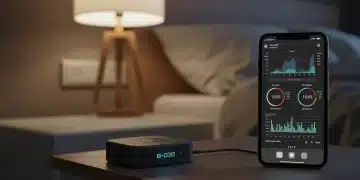
Biofeedback Technology: Stress Monitoring & Reduction in 2025
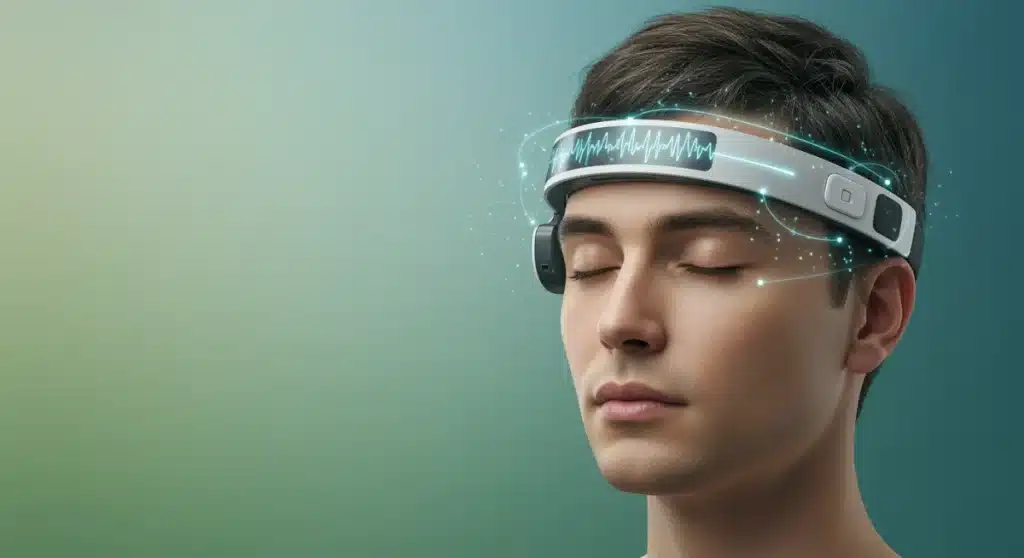
Biofeedback technology offers innovative solutions for real-time stress monitoring and reduction, empowering individuals to gain physiological insights and actively manage their well-being through advanced devices.
The landscape of personal well-being is constantly evolving, and among the most promising advancements for mental health is biofeedback technology. If you’re looking to understand biofeedback stress reduction, you’ve come to the right place. This innovative field empowers individuals to gain real-time insight into their physiological responses, offering a direct path to improved self-regulation and stress management. As we step into 2025, the devices available for this purpose are more sophisticated and accessible than ever before, promising a new era of proactive mental wellness.
Understanding biofeedback: a bridge between mind and body
Biofeedback is a therapeutic technique that teaches individuals to control involuntary physiological processes, such as heart rate, muscle tension, and skin temperature, by providing real-time feedback on these bodily functions. This feedback, typically delivered through visual or auditory cues, allows users to become more aware of their body’s responses to stress and learn to modify them consciously. The core idea is that by seeing or hearing your body’s signals, you can learn to influence them, leading to better stress management and overall well-being.
The science behind biofeedback is rooted in psychophysiology, recognizing the intricate connection between our mental state and physical reactions. When we experience stress, our bodies exhibit predictable physiological changes. Biofeedback devices act as a mirror, reflecting these changes back to us. This immediate feedback loop enables a learning process where individuals can experiment with different relaxation techniques, breathing exercises, or mindfulness practices and observe their direct impact on their physiological stress markers.
The mechanisms of biofeedback
- Electromyography (EMG): Measures muscle tension, often used for tension headaches and chronic pain.
- Thermal Biofeedback: Monitors skin temperature, which can indicate blood flow and relaxation levels.
- Electrodermal Activity (EDA): Tracks sweat gland activity, a sensitive indicator of emotional arousal and stress.
- Heart Rate Variability (HRV): Analyzes the beat-to-beat changes in heart rate, reflecting the balance of the autonomic nervous system and stress resilience.
By engaging with these devices, users can develop a heightened sense of interoception—the ability to perceive internal bodily states. This self-awareness is crucial for identifying early signs of stress and intervening before it escalates. Biofeedback training is not merely about using a device; it’s about acquiring a skill that can be applied in daily life, long after the training sessions conclude. The goal is to internalize the ability to regulate one’s physiological responses, making stress reduction a self-driven process.
The evolution of biofeedback technology: 2025 insights
The journey of biofeedback technology has been marked by continuous innovation, moving from bulky clinical equipment to sleek, user-friendly personal devices. In 2025, we are witnessing a significant leap in accessibility, accuracy, and integration. Miniaturization has allowed for the development of wearables that seamlessly blend into daily life, making real-time stress monitoring and intervention more convenient than ever. These devices leverage advanced sensors and sophisticated algorithms to provide precise physiological data, offering a nuanced understanding of an individual’s stress profile.
Furthermore, artificial intelligence (AI) and machine learning are playing an increasingly vital role. AI-powered algorithms can analyze vast amounts of biometric data, identifying patterns and predicting stress triggers with remarkable accuracy. This predictive capability allows devices to offer personalized interventions, suggesting specific breathing exercises, mindfulness prompts, or guided meditations precisely when and where they are most needed. The integration with smartphone applications has also enhanced user experience, providing intuitive interfaces, progress tracking, and educational content that empowers users to take an active role in their mental well-being.
Key technological advancements
- Enhanced Sensor Sensitivity: New materials and designs allow for more accurate readings of subtle physiological changes.
- AI-Driven Personalization: Algorithms learn user patterns to offer highly customized stress reduction strategies.
- Seamless Wearable Integration: Devices are becoming smaller, more comfortable, and aesthetically pleasing, making them suitable for continuous wear.
- Advanced Data Visualization: Intuitive apps translate complex physiological data into easy-to-understand graphs and actionable insights.
The focus has shifted from mere data collection to actionable insights and proactive intervention. Modern biofeedback devices are not just monitors; they are intelligent companions that guide users toward a more balanced state. They offer a holistic approach to stress management, combining physiological feedback with psychological techniques, all delivered through a convenient and engaging platform. This evolution signifies a move towards preventative mental healthcare, putting powerful tools directly into the hands of individuals.
Device 1: The AuraSense HRV monitor
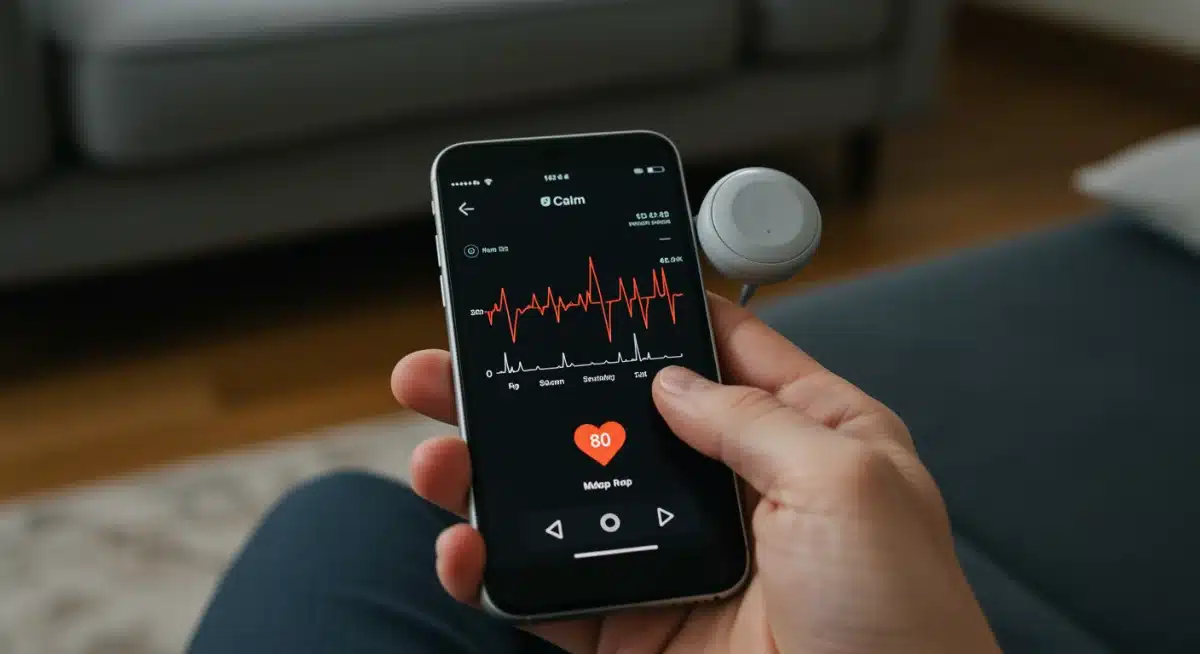
The AuraSense HRV monitor stands out as a leading innovation in 2025 for real-time stress monitoring and reduction. This sleek, discreet wrist-worn device specializes in measuring Heart Rate Variability (HRV), a key indicator of autonomic nervous system balance. Unlike traditional heart rate monitors, AuraSense focuses on the subtle fluctuations between heartbeats, providing a deeper insight into stress resilience and recovery. Its advanced photoplethysmography (PPG) sensors deliver clinical-grade accuracy, making it a reliable tool for both daily monitoring and targeted relaxation training.
What sets AuraSense apart is its intelligent real-time feedback system. When the device detects signs of increased stress or imbalance in HRV patterns, it discreetly vibrates or sends a gentle notification to a connected smartphone app. The app then offers personalized guidance, which might include short guided breathing exercises, mindfulness prompts, or even suggestions for a brief meditation break. This immediate, contextual intervention helps users interrupt stress cycles before they become overwhelming, fostering a proactive approach to mental well-being.
Features of AuraSense HRV monitor
- Clinical-Grade HRV Accuracy: Utilizes advanced PPG sensors for precise beat-to-beat interval measurement.
- Real-Time Stress Alerts: Notifies users of physiological stress changes through discrete vibrations or app notifications.
- Personalized Guided Interventions: Offers tailored breathing exercises, mindfulness prompts, and short meditations based on real-time data.
- Long Battery Life & Ergonomic Design: Designed for continuous wear with minimal disruption, ensuring consistent data collection.
- Comprehensive Data Analytics: Provides detailed daily, weekly, and monthly reports on stress levels, recovery, and intervention effectiveness.
The accompanying AuraSense app is intuitively designed, presenting complex HRV data in an easy-to-understand format. Users can track their progress over time, identify personal stress triggers, and observe the effectiveness of different stress reduction techniques. The device also integrates with popular health platforms, allowing for a holistic view of one’s health data. AuraSense is not just a monitor; it’s a personal coach that helps users build resilience and cultivate a calmer, more balanced state of being, making it an invaluable asset for anyone prioritizing their mental health.
Device 2: The NeuroFlow EEG headband
The NeuroFlow EEG headband represents a significant leap in brainwave-based biofeedback technology for stress reduction in 2025. This non-invasive device is worn comfortably on the head and uses electroencephalography (EEG) sensors to monitor brainwave activity in real-time. By providing live feedback on brain states—such as alpha, theta, and delta waves associated with relaxation, meditation, and deep sleep, respectively—NeuroFlow empowers users to consciously train their brains to achieve desired mental states. It’s particularly effective for individuals seeking to improve focus, reduce anxiety, and enhance overall cognitive resilience.
The core innovation of NeuroFlow lies in its sophisticated algorithms that translate complex brainwave data into intuitive audio-visual cues. For instance, during a guided meditation session, users might hear calming sounds that intensify as their brain enters a more relaxed alpha state, or see visual patterns on their smartphone screen that respond directly to their brainwave frequencies. This direct feedback loop allows users to learn how to self-regulate their brain activity, moving away from stressful beta waves and towards more tranquil states. The device is designed for both beginner and advanced practitioners, offering a range of programs from basic relaxation to advanced neurofeedback training.
Key functionalities of NeuroFlow
- Real-Time EEG Monitoring: Tracks brainwave patterns (alpha, beta, theta, delta) with high precision.
- Interactive Audio-Visual Feedback: Provides dynamic sounds and visuals that respond to brain activity, guiding users into desired states.
- Personalized Training Programs: Offers a library of guided sessions for stress reduction, focus enhancement, and sleep improvement.
- Progress Tracking & Insights: Detailed reports on brainwave activity during sessions and long-term trends to show improvement.
- Comfortable & Lightweight Design: Engineered for extended wear during meditation or relaxation practices.
Beyond guided sessions, NeuroFlow also includes a ‘daily check-in’ feature that provides a snapshot of the user’s current mental state and suggests short, personalized exercises to re-center. Its integration with a user-friendly app allows for seamless session management, progress visualization, and community engagement. For those looking to delve deeper into the neuroscience of stress and actively reshape their brain’s response to it, the NeuroFlow EEG headband offers a powerful and engaging solution that is both scientifically grounded and incredibly accessible.
Device 3: The BioCalm smart ring
The BioCalm smart ring emerges in 2025 as a remarkably innovative and unobtrusive biofeedback device, offering continuous stress monitoring and reduction capabilities packed into a stylish piece of jewelry. This discreet ring integrates multiple advanced sensors to track a comprehensive suite of physiological indicators, including skin temperature, electrodermal activity (EDA), and subtle heart rate variations, all without the need for bulky wearables. Its design philosophy centers on seamless integration into daily life, providing constant, passive monitoring that offers insights into stress levels throughout the day and night.
What makes the BioCalm ring particularly groundbreaking is its proactive intervention system. Leveraging AI, the ring learns the user’s baseline physiological responses and can detect early signs of stress escalation. When stress markers are identified, the ring can provide gentle haptic feedback—a subtle vibration—or send a notification to the user’s smartphone. The accompanying app then offers personalized stress-reduction techniques, which might range from quick breathing exercises to short mindfulness prompts or even suggestions for a brief walk. This ‘in the moment’ intervention is designed to help users regain composure before stress becomes overwhelming, fostering greater emotional regulation.
Advanced features of BioCalm smart ring
- Multi-Sensor Integration: Combines skin temperature, EDA, and heart rate variability for a holistic stress profile.
- Discreet & Stylish Design: Worn as a regular ring, offering continuous monitoring without drawing attention.
- AI-Powered Predictive Analytics: Learns individual stress patterns to offer timely, personalized interventions.
- Haptic Feedback for Stress Alarms: Provides gentle vibrations to alert users to rising stress levels.
- Comprehensive App Ecosystem: Tracks trends, offers guided exercises, and integrates with other health platforms.
The BioCalm app provides a detailed dashboard, allowing users to visualize their stress trends, identify triggers, and understand how their daily activities impact their physiological state. It also includes a library of guided meditations and relaxation protocols that can be initiated directly from the app. For individuals seeking a constant, subtle companion to help them navigate the complexities of modern stress, the BioCalm smart ring offers an elegant and powerful solution that combines cutting-edge technology with practical, real-time support for mental well-being.
Integrating biofeedback into daily stress management routines
Integrating biofeedback technology into a daily stress management routine is not just about owning a device; it’s about cultivating a conscious practice of self-awareness and self-regulation. The true power of these 2025 devices lies in their ability to make sophisticated physiological data accessible and actionable for everyday users. By consistently engaging with biofeedback, individuals can begin to identify their personal stress triggers, understand their body’s unique responses, and learn effective strategies to mitigate the impact of stress proactively. This process transforms passive awareness into active control, empowering users to become experts in their own well-being.
Successful integration often begins with setting realistic goals and committing to a regular practice. Whether it’s dedicating 10-15 minutes each day to a guided biofeedback session, or simply paying attention to the device’s real-time alerts throughout the day, consistency is key. Over time, the physiological learning that occurs through biofeedback training can become internalized, meaning you may eventually be able to regulate your stress responses even without the device. The technology serves as a powerful training wheel, helping you develop an innate capacity for calm and resilience.
Tips for effective integration
- Start Small & Be Consistent: Begin with short, regular sessions to build familiarity and habit.
- Combine with Mindfulness: Pair biofeedback training with meditation or deep breathing for enhanced results.
- Track Progress: Utilize the device’s app to monitor long-term trends and identify effective strategies.
- Identify Triggers: Use real-time feedback to understand what situations or thoughts elevate your stress.
- Personalize Your Approach: Experiment with different exercises and techniques to find what works best for you.
Moreover, integrating biofeedback into daily life can extend beyond formal sessions. Many modern devices offer passive monitoring, providing continuous insights into stress levels and recovery. This allows users to make informed decisions about their activities, work-life balance, and self-care practices. The ultimate goal is to foster a deeper connection with one’s body and mind, leading to a more balanced, resilient, and peaceful existence. Biofeedback technology in 2025 is not just a tool; it’s a pathway to greater self-mastery in stress management.
The future of personal stress reduction with biofeedback
Looking ahead, the future of personal stress reduction through biofeedback technology is incredibly promising, poised to become an even more integral part of preventative mental healthcare. We can anticipate further advancements in sensor technology, making devices even more precise, less invasive, and capable of monitoring a wider array of physiological parameters. Imagine biofeedback integrated seamlessly into everyday objects—clothing, furniture, or even smart environments—providing ambient stress regulation without overt interaction. This ubiquitous integration could transform how we manage stress, moving from reactive coping to proactive, continuous well-being.
Artificial intelligence will continue to play a pivotal role, evolving beyond personalized recommendations to become truly predictive and adaptive. Future biofeedback systems might be able to anticipate stressful situations before they arise, offering micro-interventions or environmental adjustments to avert physiological distress. Expect more sophisticated closed-loop systems where the device not only monitors and provides feedback but also actively intervenes through subtle stimuli, such as personalized sound frequencies or light patterns, to guide the user back to a state of calm. The emphasis will be on creating truly intuitive and effortless stress management experiences.
Anticipated future developments
- Ubiquitous Integration: Biofeedback sensors embedded in everyday objects and environments.
- Advanced Predictive Analytics: AI systems that anticipate stress and offer preventative interventions.
- Closed-Loop Intervention Systems: Devices that actively guide physiological states through subtle stimuli.
- Gamification & Virtual Reality: Engaging experiences that make biofeedback training more immersive and fun.
- Personalized Neuroplasticity Training: Tailored programs to rewire brain responses to stress over time.
Furthermore, the convergence of biofeedback with virtual reality (VR) and augmented reality (AR) holds immense potential. Immersive VR environments could offer highly engaging and personalized stress reduction experiences, where users can actively manipulate their virtual surroundings through their physiological states. This gamification of well-being could make biofeedback training more enjoyable and accessible to a broader audience. Ultimately, the future points towards a world where personal stress reduction is not a chore but an integrated, empowering, and often invisible aspect of daily life, driven by intelligent and responsive biofeedback technology.
| Key Feature | Description |
|---|---|
| AuraSense HRV Monitor | Wrist-worn device for accurate Heart Rate Variability (HRV) tracking and real-time stress alerts with personalized breathing guidance. |
| NeuroFlow EEG Headband | Monitors brainwave activity for enhanced focus and anxiety reduction through interactive audio-visual feedback and guided meditation. |
| BioCalm Smart Ring | Discreet ring tracking skin temperature, EDA, and HRV, providing subtle haptic feedback and AI-driven interventions for continuous stress management. |
| AI Integration | All devices leverage AI for personalized feedback, predictive analytics, and adaptive intervention strategies to optimize user experience and outcomes. |
Frequently asked questions about biofeedback technology
Biofeedback technology uses electronic sensors to monitor physiological signals like heart rate, muscle tension, or brainwaves. It provides real-time feedback, usually visual or auditory, allowing individuals to learn to consciously control these involuntary bodily functions to reduce stress and improve health.
Modern biofeedback devices, especially those released in 2025, utilize advanced sensors and algorithms to provide highly accurate physiological data. While consumer devices may vary, top-tier models offer clinical-grade precision, making them reliable tools for personal stress monitoring and management.
Yes, biofeedback devices are often used to address anxiety and improve sleep. By teaching users to induce relaxation responses and regulate physiological arousal, they can help calm the nervous system, reduce anxious feelings, and promote states conducive to better sleep quality over time.
The time to see results from biofeedback training varies by individual and consistency of practice. Some users report immediate benefits in relaxation, while significant improvements in stress management and physiological regulation often develop over several weeks or months of regular use.
Biofeedback technology is generally considered safe with no known adverse side effects. It’s a non-invasive technique. However, it’s always advisable to consult with a healthcare professional, especially if you have underlying medical conditions or are using it for therapeutic purposes.
Conclusion
The advancements in biofeedback technology by 2025 have undeniably transformed the landscape of personal stress management. With devices like the AuraSense HRV monitor, NeuroFlow EEG headband, and BioCalm smart ring, individuals now have unprecedented access to real-time physiological insights and personalized interventions. These tools empower us to move beyond simply reacting to stress, enabling a proactive approach where self-awareness and self-regulation become central to our daily routines. As technology continues to evolve, the promise of a more balanced, resilient, and mentally healthy future, largely driven by intelligent biofeedback solutions, is not just a possibility but an unfolding reality for millions seeking greater well-being.