Combatting SAD in Winter 2025: 5 Proactive Stress Reduction Methods
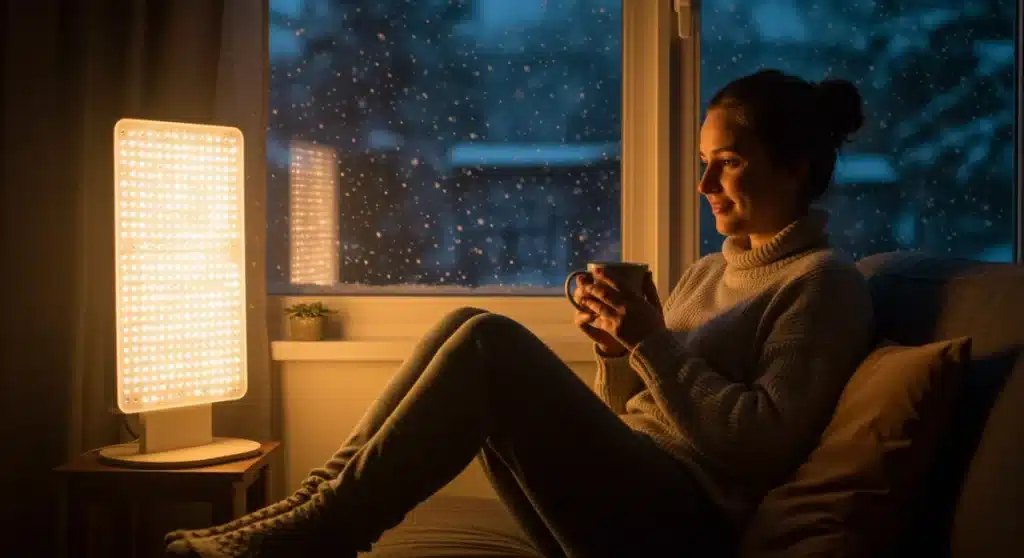
Effectively combatting Seasonal Affective Disorder (SAD) in Winter 2025 requires proactive stress reduction methods, including light therapy, mindful practices, regular exercise, and optimizing nutrition to enhance overall well-being.
As the days grow shorter and the festive season gives way to the deep chill of winter, many individuals in the United States find themselves grappling with the pervasive gloom of Seasonal Affective Disorder (SAD). For Winter 2025, understanding and implementing proactive strategies for combatting Seasonal Affective Disorder (SAD) in Winter 2025: 5 proactive stress reduction methods (time-sensitive) is more critical than ever. This guide delves into actionable, research-backed techniques to help you navigate the colder months with resilience and maintain your mental well-being.
Understanding Seasonal Affective Disorder (SAD)
Seasonal Affective Disorder, commonly known as SAD, is a type of depression that recurs with the changing seasons, typically beginning in late fall or early winter and ending in spring or early summer. It’s more than just the “winter blues”; SAD can significantly impact mood, energy levels, and daily functioning. Recognizing the symptoms early is the first step toward effective management.
The primary cause of SAD is often linked to the decrease in natural sunlight during autumn and winter. This reduction in light can disrupt the body’s internal clock, decrease serotonin levels (a brain chemical affecting mood), and affect melatonin levels (a hormone influencing sleep patterns and mood). These biological shifts can lead to a range of symptoms that interfere with daily life.
Common Symptoms and Impact
- Persistent low mood or sadness
- Loss of interest or pleasure in activities once enjoyed
- Changes in appetite, often leading to weight gain
- Increased sleep or hypersomnia
- Low energy or fatigue
- Difficulty concentrating
- Feelings of hopelessness or worthlessness
Understanding these symptoms is crucial for early intervention. The impact of SAD extends beyond individual discomfort, affecting relationships, work performance, and overall quality of life. Proactive measures are essential to mitigate these effects, especially as we look towards Winter 2025.
Identifying SAD involves observing patterns in mood and energy that consistently align with seasonal changes. If symptoms persist and interfere with your daily routine, it’s advisable to consult a healthcare professional for an accurate diagnosis and personalized treatment plan. Early recognition allows for timely implementation of strategies to lessen its severity and duration.
Method 1: Embrace Light Therapy
Light therapy, or phototherapy, is one of the most effective and widely recommended treatments for SAD. It involves daily exposure to a special light box that mimics natural outdoor light. This method is particularly potent because it directly addresses the hypothesized cause of SAD: insufficient light exposure during darker months. Regular use can significantly alleviate symptoms by regulating circadian rhythms and boosting serotonin levels.
For optimal results, consistency is key. Typically, sessions involve sitting in front of a light box for 20-60 minutes each morning, ideally within the first hour of waking. The light box should emit 10,000 lux and filter out harmful UV rays. It’s important to position the light box so that the light enters your eyes indirectly, as staring directly into the light can be harmful. This daily routine can dramatically improve mood and energy levels, making it a cornerstone for combatting Seasonal Affective Disorder (SAD) in Winter 2025.
Choosing the Right Light Box
- Lux Intensity: Aim for 10,000 lux for effective treatment.
- UV Filter: Ensure the device filters out harmful ultraviolet light.
- Portability: Consider a portable model if you travel frequently or need flexibility.
- Medical Grade: Look for light boxes specifically designed for SAD treatment, often recommended by healthcare professionals.
Integrating light therapy into your morning routine can feel like a small adjustment, but its benefits are substantial. Many users report noticeable improvements in mood and energy within a few weeks. It’s a non-invasive, drug-free approach that can be easily incorporated into your daily life, providing a vital source of artificial sunlight when natural light is scarce.
While generally safe, it’s always a good idea to consult your doctor before starting light therapy, especially if you have eye conditions or are taking medications that increase light sensitivity. They can help you determine the appropriate duration and intensity for your specific needs, ensuring a safe and effective experience.
Method 2: Prioritize Mindful Practices and Meditation
Mindfulness and meditation offer powerful tools for managing stress and improving emotional regulation, making them invaluable for those experiencing SAD. These practices encourage present-moment awareness, helping individuals observe their thoughts and feelings without judgment. By fostering a sense of calm and mental clarity, mindfulness can reduce the overwhelming feelings often associated with winter depression.
Regular meditation can rewire the brain, enhancing emotional resilience and reducing reactivity to negative stimuli. Even short daily sessions, such as 10-15 minutes of guided meditation, can yield significant benefits. Focus on your breath, bodily sensations, or sounds around you to ground yourself in the present moment. This practice can be particularly helpful during periods of low mood, providing a mental refuge and a way to break free from ruminative thought patterns.
Incorporating Mindfulness into Daily Life
- Mindful Breathing: Practice deep, conscious breaths throughout the day to calm your nervous system.
- Body Scan Meditation: Tune into physical sensations from head to toe, acknowledging any tension without judgment.
- Walking Meditation: Pay attention to the sensation of your feet on the ground and the sights and sounds around you during a walk.
- Mindful Eating: Savor each bite of your food, noticing its flavors, textures, and aromas.
These practices are not about eliminating negative emotions but rather changing your relationship with them. By observing feelings of sadness or lethargy without getting swept away, you can prevent them from spiraling into deeper depressive states. Mindfulness cultivation is a continuous journey, but even small steps can make a big difference in maintaining mental equilibrium during the challenging winter months.
The goal is to integrate these practices seamlessly into your routine. Whether it’s a few minutes of quiet contemplation before starting your day or a guided meditation session before bed, consistency is more important than duration. Over time, you’ll build a stronger mental toolkit for combatting Seasonal Affective Disorder (SAD) in Winter 2025 and improving overall well-being.
Method 3: Engage in Regular Physical Activity
Exercise is a potent antidepressant and stress reliever, often underestimated in its power to combat SAD. Physical activity releases endorphins, natural mood elevators that can significantly boost your spirits. Regular movement also improves sleep quality, reduces anxiety, and enhances self-esteem, all of which are crucial for managing seasonal depression. Even during colder weather, finding ways to stay active is vital.
The key is to find an activity you enjoy and can stick with consistently. It doesn’t have to be high-intensity; even moderate activities like brisk walking, dancing, or yoga can make a substantial difference. Aim for at least 30 minutes of moderate-intensity exercise most days of the week. If outdoor activities are limited due to weather, explore indoor options like gym memberships, home workouts, or community fitness classes. The consistent habit of movement is what provides sustained benefits.
Effective Winter Exercise Strategies
To keep motivation high when the weather is less inviting, consider these strategies:
- Indoor Workouts: Utilize online fitness videos, exercise apps, or gym facilities.
- Group Classes: Join a yoga, spin, or dance class for social interaction and motivation.
- Outdoor Activities (when possible): Embrace winter sports like skiing, snowboarding, or even a brisk walk on a sunny winter day to combine exercise with natural light exposure.
- Morning Routines: Schedule your exercise early in the day to align with light therapy and boost energy for the hours ahead.
Physical activity not only improves your physical health but also profoundly impacts your mental state. It provides a sense of accomplishment, reduces feelings of sluggishness, and helps to break the cycle of lethargy often associated with SAD. Making exercise a non-negotiable part of your routine is a powerful step towards a more resilient winter.
Remember, any movement is better than none. Start small if you need to, and gradually increase the duration and intensity as your stamina improves. The cumulative effect of regular exercise will be a significant asset in your efforts for combatting Seasonal Affective Disorder (SAD) in Winter 2025.

Method 4: Optimize Nutrition and Supplementation
The food we eat plays a significant role in our mood and energy levels, making nutritional optimization a critical component in managing SAD. A balanced diet rich in whole foods can stabilize blood sugar, provide essential nutrients for brain health, and support overall well-being. Conversely, diets high in processed foods, sugar, and unhealthy fats can exacerbate mood swings and lethargy, worsening SAD symptoms.
Focus on incorporating foods that are known to support brain health and mood. Omega-3 fatty acids, found in fatty fish like salmon, flaxseeds, and walnuts, are crucial for brain function and can help reduce inflammation linked to depression. Complex carbohydrates, whole grains, and lean proteins provide sustained energy and help maintain stable blood sugar levels, preventing energy crashes that can worsen depressive feelings.
Key Nutritional Strategies
- Increase Omega-3 Intake: Include fatty fish, flaxseeds, chia seeds, and walnuts in your diet.
- Prioritize Whole Foods: Emphasize fruits, vegetables, whole grains, and lean proteins.
- Limit Processed Foods and Sugar: Reduce intake of foods that can cause energy spikes and crashes.
- Stay Hydrated: Drink plenty of water throughout the day to support bodily functions and energy.
Beyond diet, certain supplements may be beneficial, though always consult a healthcare professional before starting any new regimen. Vitamin D, often called the “sunshine vitamin,” is particularly relevant for SAD, as its levels tend to drop in winter due to reduced sun exposure. Supplementation with Vitamin D can help regulate mood and reduce depressive symptoms. Other supplements like B vitamins, magnesium, and St. John’s Wort (with caution and medical guidance) have also been explored for their mood-enhancing properties.
A thoughtful approach to nutrition and supplementation can provide your body and mind with the necessary resources to thrive during winter. It’s an active way to support your mental health and build resilience against the seasonal shifts, contributing significantly to combatting Seasonal Affective Disorder (SAD) in Winter 2025.
Method 5: Cultivate Social Connections and Hobbies
Social isolation can intensify feelings of depression and loneliness, especially during the darker, colder months when SAD is prevalent. Actively cultivating social connections and engaging in enjoyable hobbies are powerful antidotes to this isolation. Human connection provides emotional support, reduces stress, and offers a sense of belonging, all vital for mental well-being.
Make a conscious effort to stay connected with friends and family, even if it means scheduling virtual meet-ups. Participate in group activities or clubs that align with your interests. Volunteering can also provide a sense of purpose and connect you with others. These interactions can break the cycle of withdrawal often associated with SAD, injecting much-needed positivity and external engagement into your routine.
Strategies for Connection and Engagement
To foster stronger social bonds and maintain engagement, consider these actions:
- Schedule Regular Social Outings: Plan coffee dates, dinners, or walks with loved ones.
- Join a Club or Group: Find local or online groups related to your hobbies, such as book clubs, hiking groups, or art classes.
- Volunteer: Contribute to a cause you care about to meet new people and feel a sense of purpose.
- Utilize Technology: Video calls and online communities can help bridge geographical distances and maintain connections.
Beyond social interaction, engaging in hobbies and activities you genuinely enjoy can provide a sense of accomplishment and distraction from negative thoughts. Whether it’s reading, painting, gardening (even indoors!), or learning a new skill, these pursuits offer a creative outlet and a source of joy. They help to fill your days with meaningful activities, reducing the time available for rumination and boosting overall mood.
Remember, overcoming SAD is a holistic process that involves addressing both internal and external factors. Nurturing your social life and personal interests provides a crucial layer of support and enjoyment, making your journey of combatting Seasonal Affective Disorder (SAD) in Winter 2025 more manageable and fulfilling. Prioritizing these connections is an investment in your mental and emotional health.
Proactive Planning for Winter 2025
Effective management of Seasonal Affective Disorder hinges significantly on proactive planning, especially as Winter 2025 approaches. Waiting until symptoms manifest can make them harder to alleviate. Instead, preparing your environment, routine, and mindset in advance can create a buffer against the seasonal shift, allowing you to mitigate the impact of SAD before it takes hold. This foresight is a powerful strategy for maintaining mental well-being.
Start by assessing your past experiences with SAD. What triggers did you notice? What strategies worked, and which didn’t? Use this information to tailor a personalized prevention plan. This might include purchasing a light therapy lamp in early fall, scheduling regular exercise sessions, or making commitments to social engagements before winter sets in. Having a clear plan in place reduces anxiety and provides a roadmap for navigating the colder months.
Elements of a Proactive SAD Plan
- Early Intervention: Begin light therapy in early fall, before symptoms typically start.
- Routine Establishment: Solidify a consistent sleep-wake cycle and daily schedule.
- Environmental Adjustments: Maximize natural light in your home and workspace. Consider full-spectrum bulbs.
- Support System: Inform friends and family about your SAD plan so they can offer support and encouragement.
Beyond physical preparations, mental preparation is equally important. Acknowledge that winter can be challenging and that it’s okay to seek help. Practice self-compassion and avoid self-blame if you experience symptoms. Building a resilient mindset involves recognizing your vulnerabilities and actively working to strengthen your coping mechanisms. This internal dialogue is fundamental for navigating the emotional landscape of winter.
Remember, you are not alone in this. Millions experience SAD, and there are effective strategies to manage it. By taking a proactive stance and implementing these methods, you can significantly improve your experience of combatting Seasonal Affective Disorder (SAD) in Winter 2025, transforming a potentially difficult season into one of resilience and growth. Your well-being is worth the investment of time and effort.
| Key Method | Brief Description |
|---|---|
| Light Therapy | Daily exposure to 10,000 lux light boxes mimics natural sunlight, regulating mood and circadian rhythms. |
| Mindful Practices | Meditation and mindfulness reduce stress, improve emotional regulation, and foster present-moment awareness. |
| Physical Activity | Regular exercise releases endorphins, boosts mood, improves sleep, and reduces anxiety. |
| Optimized Nutrition | A balanced diet and key supplements (e.g., Vitamin D) support brain health and mood stability. |
Frequently Asked Questions About SAD
The primary cause of SAD is linked to reduced exposure to natural sunlight during fall and winter. This lack of light can disrupt the body’s circadian rhythm, decrease serotonin levels, and affect melatonin production, leading to mood disturbances and other symptoms.
Many individuals report noticeable improvements in mood and energy within a few days to two weeks of consistently using light therapy. For optimal and sustained benefits, it’s recommended to continue daily sessions throughout the winter months.
While diet plays a significant supportive role in managing SAD symptoms by stabilizing mood and providing vital nutrients, it is generally not sufficient as a standalone treatment. It works best when combined with other methods like light therapy, exercise, and mindfulness.
Yes, consulting a healthcare professional is highly recommended before starting any SAD treatment, including light therapy or supplements. A doctor can provide an accurate diagnosis, rule out other conditions, and advise on the safest and most effective treatment plan for your individual needs.
Social connections combat SAD by providing emotional support, reducing feelings of isolation, and offering opportunities for engagement and distraction. Regular interaction with others can boost mood, lower stress, and foster a sense of belonging, which are all crucial for mental well-being during winter.
Conclusion
Combatting Seasonal Affective Disorder (SAD) in Winter 2025 requires a multifaceted and proactive approach. By understanding the underlying causes and symptoms, and by diligently implementing strategies such as light therapy, mindful practices, regular physical activity, optimized nutrition, and strong social connections, individuals can significantly mitigate the impact of this seasonal condition. The key lies in early intervention and consistent application of these methods, transforming a potentially challenging winter into a period of sustained well-being and resilience. Prioritizing your mental health during the darker months is an empowering step towards a more balanced and fulfilling life.