Digital Minimalism 2026: Reclaim 3 Hours Weekly from Screen Time

The 2026 Guide to Digital Minimalism: Reclaiming 3 Hours Weekly from Screen Time
In an increasingly hyper-connected world, the allure of our digital devices is undeniable. From constant notifications to endless social media feeds, our attention is fragmented, and our time seems to vanish into the glowing screens we hold. This pervasive digital presence often leaves us feeling drained, unfocused, and ironically, less connected to what truly matters. Welcome to the era of digital minimalism 2026, a philosophy that empowers you to intentionally reduce your digital consumption to focus on high-value activities and reclaim precious hours each week.
The year 2026 presents unique challenges and opportunities for embracing digital minimalism. With advancements in AI, virtual reality, and ever more sophisticated algorithms designed to capture our attention, the need for conscious digital choices has never been more critical. This comprehensive guide will equip you with the strategies and mindset shifts necessary to navigate this complex landscape, helping you to not only understand the principles of digital minimalism but also to implement practical steps to reclaim at least three hours weekly from unproductive screen time.
Imagine what you could do with an extra three hours a week: pursuing a hobby, spending quality time with loved ones, learning a new skill, exercising, or simply enjoying moments of quiet reflection. This isn’t about abandoning technology entirely; it’s about using it deliberately and mindfully, ensuring it serves your goals rather than dictating your life. By adopting the principles of digital minimalism 2026, you’re not just reducing screen time; you’re cultivating a richer, more intentional, and ultimately, more fulfilling life.
Understanding Digital Minimalism: More Than Just a Digital Detox
Many people confuse digital minimalism with a complete digital detox or an outright rejection of technology. While a detox can be a useful starting point, digital minimalism is a sustainable, long-term lifestyle choice. Coined by author Cal Newport, digital minimalism is defined as “a philosophy of technology use in which you focus your online time on a small number of carefully selected and optimized activities that strongly support things you value, and then happily miss out on everything else.”
In 2026, this definition holds even more weight. The digital landscape continues to evolve, bringing with it new platforms, new forms of engagement, and new ways to lose ourselves in the digital ether. Therefore, the core tenets of digital minimalism 2026 revolve around intentionality, value alignment, and strategic disengagement. It’s about asking critical questions:
- Does this technology genuinely enhance my life or merely distract me?
- Am I using this tool to achieve a specific, valuable outcome, or am I passively consuming?
- What are the true costs of my digital habits on my time, attention, and well-being?
By consciously answering these questions, you begin to identify the “signal” from the “noise” in your digital life. The goal is not to eliminate technology, but to cultivate a healthier, more productive relationship with it, one where you are in control, not the algorithms.
The Hidden Costs of Unchecked Digital Consumption in 2026
Before diving into practical strategies, it’s crucial to understand the profound impact of excessive, unintentional screen time. In 2026, these impacts are amplified by increasingly sophisticated tech designed to maximize engagement:
- Attention Fragmentation: Constant notifications, app switching, and information overload diminish our ability to focus deeply on single tasks. This “attention residue” makes it harder to engage in complex problem-solving or creative work.
- Reduced Productivity: What seems like multitasking is often just rapid task switching, which studies show significantly reduces overall productivity and increases errors. The time spent checking emails or social media every few minutes adds up rapidly.
- Mental Health Deterioration: The curated realities of social media can lead to comparison culture, anxiety, and feelings of inadequacy. The constant influx of information, including news and global events, can also contribute to stress and burnout.
- Sleep Disruption: Blue light emitted from screens interferes with melatonin production, making it harder to fall asleep and reducing sleep quality. Late-night scrolling also keeps our minds active when they should be winding down.
- Erosion of Real-World Connections: While technology promises to connect us, excessive digital interaction can paradoxically lead to a decline in meaningful in-person relationships. We might be “connected” to hundreds online but feel isolated offline.
- Loss of Boredom and Reflection: Our brains need downtime, moments of boredom and quiet reflection, to process information, consolidate memories, and foster creativity. Filling every spare moment with digital input robs us of these crucial cognitive functions.
Recognizing these costs is the first step towards embracing digital minimalism 2026. It provides the motivation to make deliberate changes and reclaim your time and attention from the digital vortex.
Phase 1: The Digital Declutter – Identifying Your Core Values and Tools
The journey to digital minimalism 2026 begins with a thorough assessment, much like decluttering a physical space. This phase involves a “digital declutter” where you identify your most valuable digital tools and eliminate the rest. To successfully implement this, consider a 30-day digital fast or a scaled-down version:
Step 1: Define Your Core Values and Goals
What truly matters to you? What do you want to achieve in your personal and professional life? List your top 3-5 values (e.g., family connection, creative pursuits, physical health, deep work, learning). Then, list 3-5 significant goals you want to accomplish in the next year. These will serve as your compass.
Step 2: Inventory All Your Digital Tools
Take stock of every digital device, app, and platform you use regularly. This includes your smartphone, laptop, tablet, smart TV, social media apps, streaming services, news aggregators, and even smart home devices. Be brutally honest about how often you use each and for what purpose.
Step 3: The 30-Day Digital Fast (or a Modified Version)
For 30 days, take a break from all optional digital technologies. This means no social media, no casual browsing, no streaming services, no games – only essential tools for work, communication with close contacts, and essential information gathering. This period is not about permanent abstinence but about breaking your conditioned responses and observing the void. If a full fast is too daunting, try a modified version:
- No Social Media Weekends: Dedicate weekends to being completely off social media.
- App-Specific Fast: Pick one or two time-consuming apps (e.g., TikTok, Instagram) and uninstall them for a month.
- Digital-Free Evenings: Designate evenings after a certain hour (e.g., 7 PM) as completely digital-free.
During this fast, pay close attention to:
- What activities emerge to fill the void?
- What do you genuinely miss?
- What do you realize you don’t miss at all?
Step 4: Reintroduce Technology Incrementally and Intentionally
After your fast, begin to reintroduce technology, but only those tools that directly and significantly support your core values and goals. For each tool you consider bringing back, ask:
- Does this tool offer unique and substantial benefits that align with my values?
- Is this the best tool for this specific purpose, or are there analog alternatives?
- What are the specific rules and boundaries I will set for its use to prevent it from becoming a distraction again?
For example, if connecting with distant family is a core value, a video call app might be reintroduced with specific scheduled times. If learning a new skill is a goal, a dedicated online course platform might return, but with strict time limits.
Phase 2: Implementing Strategic Disengagement – Reclaiming 3 Hours Weekly
Once you’ve decluttered your digital life, the next phase of digital minimalism 2026 focuses on proactive strategies to manage your remaining digital tools and prevent them from consuming your time. This is where you actively reclaim those valuable three hours (or more!) each week.
Strategy 1: Optimize Your Digital Environment
- Notification Overhaul: Turn off all non-essential notifications on your phone, computer, and smart devices. This includes social media, news alerts, and even many messaging apps. Only allow notifications for direct, urgent communications from key contacts.
- Declutter Your Home Screen: Remove distracting apps from your phone’s home screen. Place essential tools in folders or on secondary screens. Make it harder to instinctively open time-wasting apps.
- Designate “Work” vs. “Play” Devices: If possible, use separate devices for work and personal use, or at least create distinct user profiles. This creates a psychological barrier that prevents work from spilling into personal time and vice-versa.
- Scheduled “Check-In” Times: Instead of constantly checking email or social media, schedule specific times during the day for these activities (e.g., 10 AM, 2 PM, 5 PM). Outside these times, close the tabs and apps.
Strategy 2: Cultivate High-Quality Leisure and Analog Hobbies
One of the most effective ways to reduce screen time is to replace it with engaging, fulfilling offline activities. This is a cornerstone of digital minimalism 2026. When you have compelling alternatives, the pull of the screen diminishes.
- Rediscover Reading: Dedicate time each day to reading physical books, magazines, or long-form articles offline.
- Embrace Creative Pursuits: Take up painting, writing, playing a musical instrument, knitting, or gardening. These activities offer deep engagement and a sense of accomplishment.
- Prioritize Physical Activity: Exercise, go for walks in nature, practice yoga, or join a sports team. Physical movement is a powerful antidote to sedentary screen time.
- Master a Skill: Learn a new language, take a cooking class, or delve into a craft. The process of learning and mastery is deeply satisfying.
- Engage in Deep Conversations: Make time for face-to-face interactions with friends and family. Practice active listening and put your phone away during these moments.
By intentionally scheduling and pursuing these activities, you’ll naturally find less time and desire for mindless scrolling.
Strategy 3: Implement Digital Boundaries and “No-Tech” Zones
Creating clear boundaries for technology use is vital for maintaining your commitment to digital minimalism 2026.
- Bedtime Curfew: Establish a strict “no screens in the bedroom” rule. Charge your phone outside the bedroom and use an analog alarm clock. Aim for at least an hour before bed with no screens.
- Mealtime Mandate: Make mealtimes digital-free zones. Focus on your food, your company, or simply your thoughts.
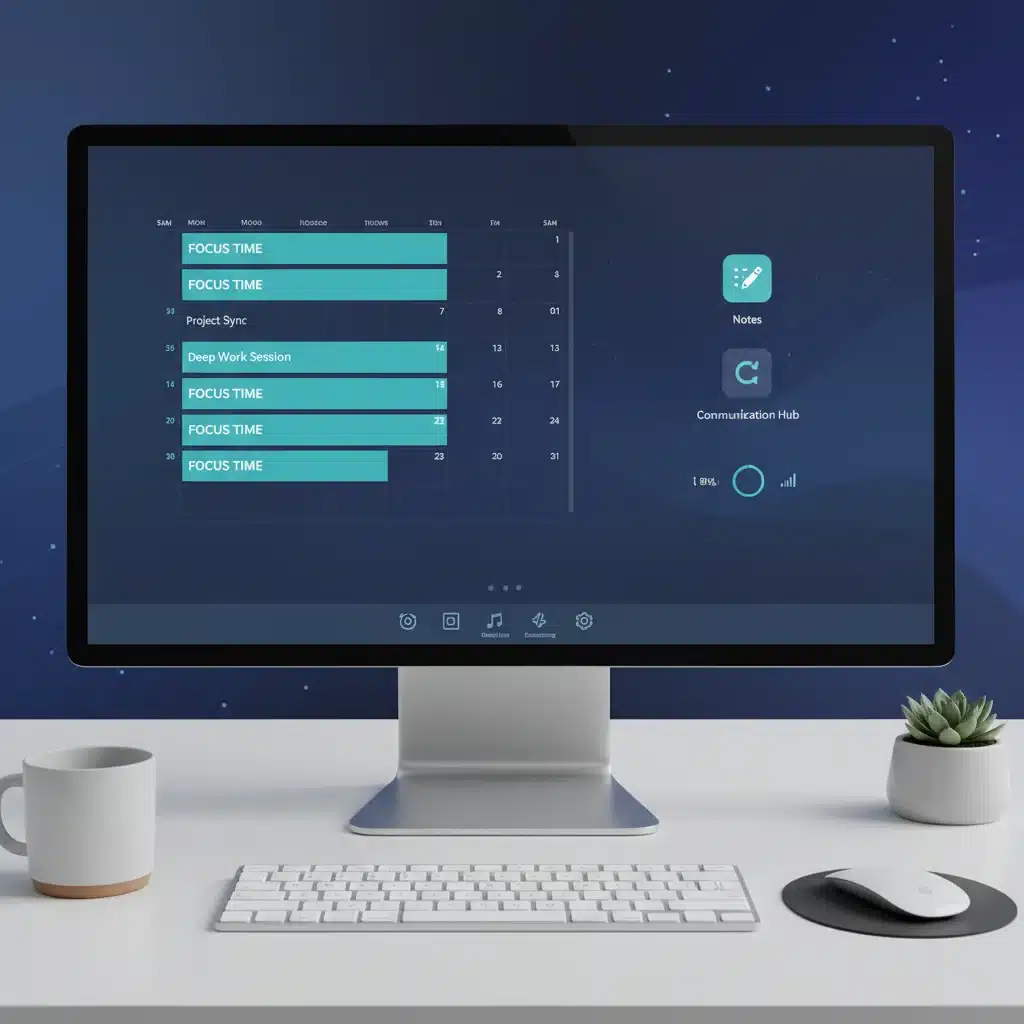
- “Deep Work” Sessions: Block out specific times in your schedule for uninterrupted work. During these periods, close all non-essential tabs, put your phone on silent (or in another room), and resist the urge to check anything.
- Weekend “Digital Sabbath”: Consider dedicating a portion of your weekend (e.g., Sunday morning) to being completely offline.
- Commute Consciously: Instead of immediately pulling out your phone on your commute, try listening to a podcast, an audiobook, or simply observing your surroundings.
Phase 3: The Long Game – Sustaining Digital Minimalism in 2026 and Beyond
Digital minimalism isn’t a one-time fix; it’s an ongoing practice. The digital world is constantly evolving, and so must our strategies. To sustain your reclaimed time and attention in 2026 and beyond, consider these practices:
Regular Digital Audits
Periodically (e.g., quarterly), conduct a mini-digital declutter. Review your apps, subscriptions, and online habits. Are there new platforms creeping in? Are old habits resurfacing? Adjust your rules and boundaries as needed.
Embrace “Slow Media”
Shift your consumption from fast, ephemeral content (like social media feeds and instant news alerts) to slow, substantive media. This includes books, documentaries, long-form articles, and in-depth podcasts. This type of consumption is more enriching and less addictive.
Be Mindful of “Algorithm Creep”
In 2026, AI-driven algorithms are more sophisticated than ever. Be aware of how platforms try to keep you engaged. Understand that their business model relies on your attention. Consciously resist their pull by having clear intentions before you open an app or visit a website.
Connect with a Community
Share your journey with friends, family, or online communities dedicated to digital wellness. Having accountability partners can provide support and motivation when you face challenges.
Practice Self-Compassion
There will be days when you slip, when you find yourself mindlessly scrolling. Don’t beat yourself up. Acknowledge it, understand what triggered it, and gently redirect yourself back to your intentional practices. Progress, not perfection, is the goal.

Measuring Your Success: How to Track Reclaimed Time
One of the most rewarding aspects of digital minimalism 2026 is seeing tangible results. How do you know you’re actually reclaiming those three hours a week?
- Screen Time Trackers: Most smartphones and operating systems (iOS, Android, Windows, macOS) have built-in screen time tracking features. Use these as a baseline before you start and then monitor your weekly average. The goal is a noticeable reduction.
- Time Journaling: For a week, manually log how you spend your time, including digital activities. This can provide surprising insights into where your hours are truly going.
- Focus and Productivity Metrics: Pay attention to your subjective experience. Do you feel more focused during work? Are you completing tasks more efficiently? Are you engaging in more deep work sessions?
- Qualitative Changes: Observe changes in your mood, sleep quality, and relationships. Are you less anxious? Sleeping better? Having more meaningful conversations? These are often the most significant indicators of success.
By monitoring these aspects, you’ll gain a clear understanding of the positive impact digital minimalism 2026 is having on your life.
Common Pitfalls and How to Avoid Them in Your Digital Minimalism Journey
While the path to digital minimalism 2026 offers immense benefits, it’s not without its challenges. Being aware of common pitfalls can help you navigate them effectively:
- All-or-Nothing Mentality: Attempting to go completely off-grid overnight is often unsustainable. Start small, build momentum, and gradually expand your minimalist practices. Remember, it’s about intentional use, not complete abstinence.
- Replacing One Addiction with Another: Be cautious not to simply replace social media scrolling with endless streaming on TV or excessive video gaming. The goal is to replace low-value digital consumption with high-value offline activities.
- Lack of Clear Rules: Vague intentions like “I’ll use my phone less” are rarely effective. Establish clear, actionable rules (e.g., “No phone in the bedroom after 9 PM,” “Check email only at 10 AM and 3 PM”).
- Ignoring the “Why”: If you lose sight of your core values and the reasons you started this journey, it’s easy to fall back into old habits. Regularly remind yourself of the benefits you’re seeking.
- Social Pressure: Friends or colleagues might not understand your choices and might even pressure you to stay connected. Communicate your intentions clearly and, if necessary, adjust your social interactions to support your goals.
- Tool Creep: New apps and devices are constantly emerging. Be vigilant about what you allow into your digital life. Every new tool should pass the “value alignment” test.
By anticipating these challenges, you can develop proactive strategies to overcome them and stay committed to your digital minimalism 2026 goals.
Conclusion: A More Intentional, Fulfilling Life Through Digital Minimalism
The year 2026 offers an opportunity to redefine your relationship with technology. By embracing digital minimalism 2026, you’re not just reducing screen time; you’re embarking on a journey to reclaim your attention, enhance your focus, and significantly improve your overall well-being. The promise of an extra three hours (or more!) each week is not merely about empty time slots; it’s about creating space for what truly matters – deep work, meaningful relationships, personal growth, and genuine leisure.
Start today by taking that first step: identify one digital habit you want to change, and commit to it. Whether it’s turning off notifications, dedicating your commute to a book, or establishing a screen-free hour before bed, every small intentional choice adds up. The path to digital freedom is paved with conscious decisions, leading you towards a life that is richer, more present, and authentically yours. Reclaim your time, reclaim your life, and thrive in the intentional landscape of digital minimalism 2026.