Embrace Slow Living: Practical Tips for a Deliberate 2026

Embrace Slow Living: Practical Tips for a Deliberate 2026
In a world that constantly pushes us towards faster, more, and immediate gratification, the concept of slow living often feels like a radical act. Yet, as we stand on the cusp of 2026, many are finding themselves increasingly drawn to this philosophy, yearning for a life that is more intentional, meaningful, and less dictated by the relentless pace of modern society. To embrace slow living is not about doing everything at a snail’s pace, but rather about cultivating awareness, making conscious choices, and prioritizing quality over quantity in every aspect of our lives. It’s about finding joy in the present moment, fostering deeper connections, and reclaiming our time and energy from the clutches of perpetual busyness.
The allure of slow living lies in its promise of greater well-being, reduced stress, and a profound sense of contentment. It’s an antidote to burnout, a pathway to personal growth, and a celebration of simplicity. If the idea of a more deliberate and fulfilling 2026 resonates with you, then you’re in the right place. This comprehensive guide will delve into the core principles of slow living and offer actionable, practical tips to help you seamlessly integrate this transformative philosophy into your daily routine. We’ll explore how to slow down your mornings, cultivate mindful eating habits, declutter your physical and digital spaces, and foster genuine connections, all while navigating the demands of contemporary life. Join us as we embark on a journey to embrace slow living and create a 2026 filled with purpose, peace, and presence.
Understanding the Philosophy Behind Slow Living
Before we dive into the practicalities, it’s crucial to grasp the essence of slow living. It’s not a race to do less, but a conscious decision to live more. Originating from the Slow Food movement in Italy, which advocated for traditional, regional cuisine and sustainable farming, the philosophy has expanded to encompass various aspects of life, including slow travel, slow fashion, slow parenting, and slow work. At its heart, slow living encourages us to question the prevailing culture of speed and consumerism, and instead, to focus on what truly enriches our lives. It’s about being present, engaging deeply, and savoring experiences rather than rushing through them. To truly embrace slow living, we must first understand its foundational principles:
- Mindfulness: Being fully aware of the present moment, without judgment. This involves paying attention to our thoughts, feelings, bodily sensations, and the environment around us.
- Intentionality: Making deliberate choices about how we spend our time, energy, and resources, aligning our actions with our values.
- Connection: Fostering deeper relationships with ourselves, others, nature, and our communities.
- Simplicity: Reducing clutter, both physical and mental, to make space for what truly matters.
- Sustainability: Living in a way that respects the planet and its resources, often intertwined with mindful consumption.
- Quality over Quantity: Prioritizing well-made, long-lasting items and meaningful experiences over disposable goods and fleeting trends.
By internalizing these principles, we lay the groundwork for a truly transformative shift towards a slower, more deliberate way of being. This isn’t about escaping modern life, but about engaging with it on our own terms, with greater awareness and purpose. The journey to embrace slow living is personal and unique to each individual, but the underlying goal remains the same: to create a life that feels authentic, fulfilling, and free from the constant pressure to keep up.
Starting Your Day with Intention: Slow Mornings
The way we begin our day often sets the tone for the hours that follow. Rushing out of bed, immediately checking emails, and scrambling to get ready can leave us feeling stressed and reactive before the day has even properly begun. To embrace slow living, consider transforming your mornings into a sanctuary of peace and purpose. This doesn’t mean you need to wake up at 4 AM to meditate for two hours, but rather to introduce small, deliberate rituals that ground you.
Practical Tips for Slow Mornings:
- Wake Up Gently: Ditch the jarring alarm clock. Opt for a sunrise alarm that gradually brightens your room or a gentle, melodic sound. Give yourself an extra 10-15 minutes to simply be awake before jumping out of bed.
- Avoid Immediate Screen Time: Resist the urge to check your phone, emails, or social media as soon as you wake up. This can immediately draw you into external demands and anxieties. Instead, allow yourself at least 30 minutes to an hour of screen-free time.
- Hydrate Mindfully: Start your day with a glass of water, perhaps with a squeeze of lemon. Sip it slowly, noticing its refreshing qualities.
- Engage in a Calming Ritual: This could be anything from a few minutes of meditation, deep breathing exercises, gentle stretching or yoga, journaling, or simply sitting in silence with a cup of tea or coffee. The key is to choose something that brings you peace and helps you connect with yourself.
- Plan Your Day (Lightly): Instead of a frantic to-do list, take a few moments to mentally (or briefly) outline your priorities for the day. What are the 1-3 most important things you want to accomplish? This provides direction without overwhelming you.
- Prepare a Nourishing Breakfast: Even if it’s simple, take the time to prepare and eat a healthy breakfast mindfully. Pay attention to the flavors, textures, and the act of nourishing your body.
By intentionally crafting your mornings, you create a buffer against the day’s demands, allowing you to approach challenges with greater clarity and calm. This foundational practice is a powerful step towards learning to embrace slow living throughout your entire day and week.
Mindful Consumption: Eating and Shopping Deliberately
Our relationship with food and material possessions offers significant opportunities to embrace slow living. In a culture of fast food and impulsive shopping, slowing down in these areas can lead to better health, reduced waste, and greater financial well-being.
Slow Eating Practices:
- Cook at Home More Often: Preparing your own meals allows you to control ingredients, experiment with flavors, and engage in a creative, sensory experience. Turn cooking into a ritual, perhaps with music or a podcast.
- Savor Your Meals: Put away distractions like phones and TVs. Eat slowly, chew thoroughly, and pay attention to the taste, texture, and aroma of your food. Notice when you feel full. This aids digestion and increases satisfaction.
- Eat Seasonally and Locally: Support local farmers and enjoy produce at its peak freshness. This connects you to your community and the natural rhythms of the earth.
- Practice Gratitude: Before eating, take a moment to acknowledge the food in front of you and the effort that went into bringing it to your plate.
Slow Shopping and Consumption:
- Buy Less, Choose Well: Adopt a minimalist mindset. Before making a purchase, ask yourself: Do I truly need this? Will it add value to my life? Can I borrow or mend something instead?
- Prioritize Quality and Durability: Invest in fewer, higher-quality items that are built to last, rather than constantly replacing cheap, disposable goods. This is more sustainable and often more economical in the long run.
- Support Ethical and Local Businesses: Choose brands that align with your values, whether that’s fair trade, sustainability, or supporting local artisans.
- Declutter Regularly: Periodically go through your belongings and let go of items that no longer serve a purpose or bring you joy. A decluttered space often leads to a decluttered mind.
By bringing consciousness to what we consume, we not only improve our physical and mental well-being but also contribute to a more sustainable and equitable world. These mindful consumption habits are cornerstones of how to truly embrace slow living in a tangible, impactful way.
Reclaiming Your Time: Digital Detox and Mindful Productivity
One of the biggest obstacles to slow living in the 21st century is the constant barrage of digital notifications and the pressure to be ‘always on.’ To truly embrace slow living, we must learn to manage our relationship with technology and redefine productivity.
Managing Digital Overload:
- Schedule Digital Detoxes: Set aside specific times or days (e.g., evenings, weekends, one day a week) when you completely disconnect from screens. Inform others of your availability.
- Turn Off Notifications: Most notifications are designed to grab your attention. Turn off non-essential alerts on your phone and computer. Check messages and emails intentionally, not reactively.
- Create Tech-Free Zones: Designate certain areas of your home (e.g., bedroom, dining table) as screen-free zones. This encourages face-to-face interaction and restful sleep.
- Curate Your Feed: Unfollow accounts that don’t uplift or inform you. Be intentional about the content you consume online.
- Use Technology as a Tool, Not a Master: Remember that technology is meant to serve us, not the other way around. Use apps and tools that genuinely enhance your life, and be mindful of how much time you spend on them.
Mindful Productivity:
- Focus on One Task at a Time: Multitasking is often inefficient and stressful. Practice monotasking, dedicating your full attention to one activity before moving to the next.
- Prioritize Deep Work: Identify the tasks that require your full concentration and schedule dedicated blocks of time for them, free from interruptions.
- Incorporate Breaks: Short, regular breaks can improve focus and prevent burnout. Step away from your desk, stretch, or take a brief walk.
- Redefine Success: Shift your definition of productivity from simply ‘doing more’ to ‘doing what matters.’ Quality and impact often outweigh sheer volume.
- Embrace Downtime: Recognize that rest and relaxation are not luxuries but essential components of sustainable productivity and well-being.
By consciously managing our digital lives and approaching our work with greater intention, we can significantly reduce stress and create more space to embrace slow living, allowing for deeper engagement with our pursuits and more time for personal reflection.
Cultivating Connections: Relationships and Community
At the heart of slow living is the desire for authentic connection – with ourselves, our loved ones, and our communities. In an era of superficial interactions, fostering deep, meaningful relationships is a powerful way to embrace slow living.
Nurturing Personal Relationships:
- Be Present: When spending time with loved ones, put away your phone and give them your full, undivided attention. Truly listen to what they are saying.
- Schedule Quality Time: Intentionally set aside time for meaningful interactions with family and friends. This could be a dedicated dinner, a walk, or a quiet conversation.
- Practice Empathy and Active Listening: Strive to understand others’ perspectives and respond thoughtfully, rather than just waiting for your turn to speak.
- Express Gratitude: Regularly tell your loved ones how much you appreciate them and their presence in your life.
- Engage in Shared Experiences: Instead of just passively consuming entertainment together, engage in activities that foster interaction and shared memories, like cooking, hiking, or playing games.
Connecting with Your Community:
- Support Local: Frequent local businesses, farmers’ markets, and community events.
- Volunteer Your Time: Contribute to a cause you care about. Volunteering not only helps others but also provides a sense of purpose and connection.
- Engage with Neighbors: Simple acts like saying hello, offering help, or participating in neighborhood gatherings can build stronger community bonds.
- Join or Start a Group: Find a club or group based on a shared interest (book club, hiking group, craft circle). This is a great way to meet like-minded individuals and foster a sense of belonging.
These intentional efforts to cultivate and deepen our connections are vital for a fulfilling life. They remind us that human interaction, when approached with care and presence, is one of the richest aspects of learning to embrace slow living.
Embracing Nature and Simplicity
The natural world offers a profound opportunity to slow down, reflect, and reconnect. Integrating nature into your daily life and simplifying your surroundings are powerful ways to embrace slow living and find peace amidst the chaos.
Connecting with Nature:
- Spend Time Outdoors Daily: Even a short walk in a park, a few minutes on your balcony, or simply observing the sky can be grounding. Notice the sounds, smells, and sights.
- Bring Nature Indoors: Incorporate houseplants into your home or office space. Their presence can improve air quality and create a calming ambiance.
- Practice ‘Forest Bathing’ (Shinrin-Yoku): This Japanese practice involves immersing yourself in the atmosphere of the forest. It’s not about hiking, but about mindfully experiencing nature through all your senses.
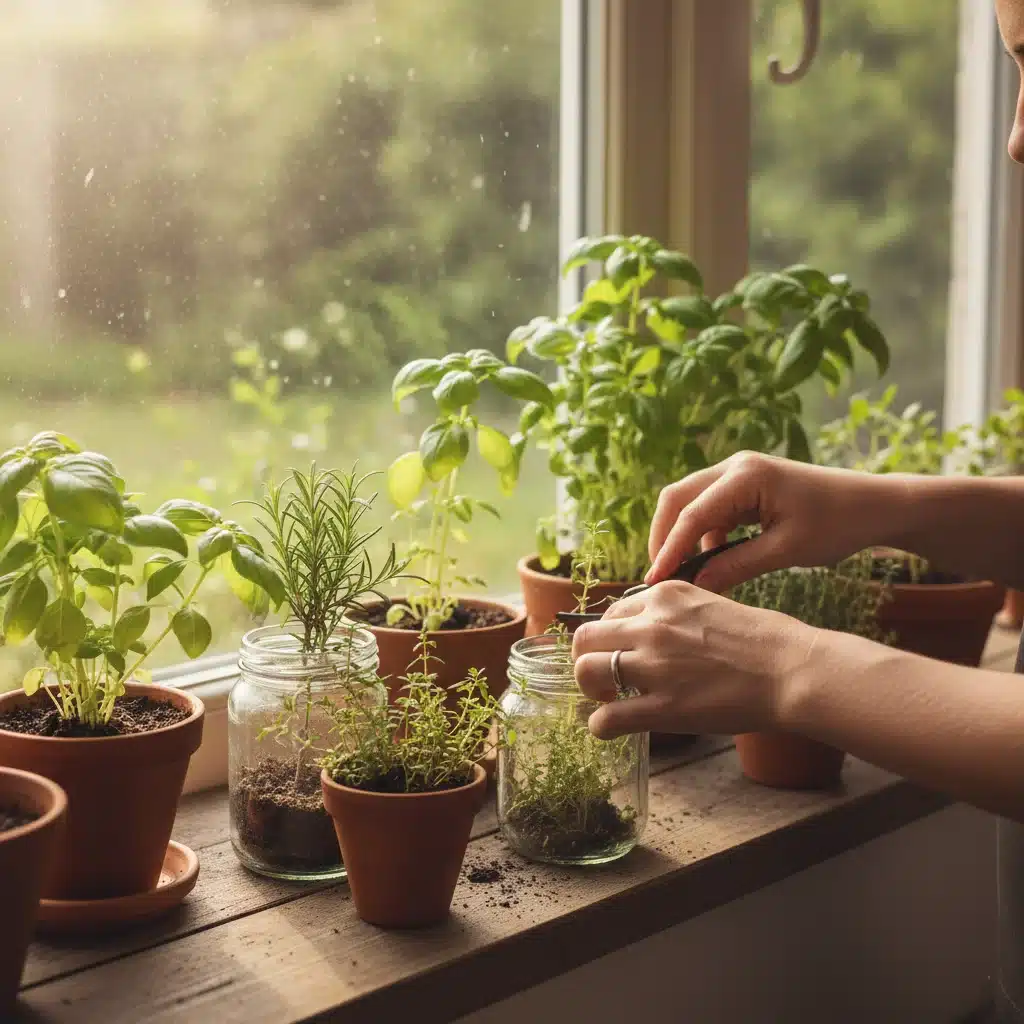
- Cultivate a Garden: Even a small window box or a few potted herbs can provide a connection to the earth and the satisfaction of growing something.
Simplifying Your Environment:
- Declutter Your Home: A cluttered physical space often leads to a cluttered mind. Regularly remove items you no longer use, need, or love. Adopt the ‘one in, one out’ rule.
- Embrace Minimalism (Your Version): Minimalism isn’t about deprivation, but about intentionality. Identify what is essential and creates joy, and let go of the rest.
- Create Peaceful Spaces: Designate areas in your home for relaxation, reading, or quiet contemplation. Keep these spaces tidy and free from distractions.
- Simplify Your Wardrobe: Consider a capsule wardrobe with versatile, high-quality pieces that you truly love. This reduces decision fatigue and promotes mindful consumption.
By fostering a deeper connection with nature and simplifying our physical surroundings, we create environments that support peace, clarity, and well-being, paving the way to truly embrace slow living in its fullest sense.

Practicing Self-Care and Reflection
To embrace slow living is also to embrace a deeper commitment to self-care and introspection. In our fast-paced lives, it’s easy to neglect our own needs, leading to burnout and a diminished sense of self. Prioritizing self-care isn’t selfish; it’s essential for sustained well-being and the capacity to show up fully for others.
Mindful Self-Care Practices:
- Prioritize Sleep: Establish a consistent sleep schedule and create a relaxing bedtime routine. Quality sleep is fundamental to physical and mental health.
- Move Your Body Mindfully: Instead of viewing exercise as a chore, find activities you enjoy – walking, dancing, yoga, swimming. Pay attention to how your body feels during movement.
- Engage in Hobbies: Dedicate time to activities purely for pleasure and personal fulfillment, without any pressure for productivity or outcome. This could be painting, playing an instrument, gardening, or reading for leisure.
- Practice Gratitude: Regularly reflect on things you are grateful for. Keeping a gratitude journal can shift your perspective towards positivity and contentment.
- Learn to Say ‘No’: Protect your time and energy by setting boundaries. It’s okay to decline invitations or requests that don’t align with your priorities or capacity.
- Unplug and Unwind: Schedule regular periods of true relaxation, whether it’s a quiet evening at home, a long bath, or simply doing nothing.
The Power of Reflection:
- Journaling: Regular journaling can be a powerful tool for self-discovery, processing emotions, and clarifying thoughts. It provides a space for honest introspection.
- Meditation and Contemplation: Even a few minutes of silent meditation or contemplation each day can enhance self-awareness, reduce stress, and improve focus.
- Regular Check-ins: Periodically ask yourself: How am I truly feeling? What do I need right now? Am I living in alignment with my values?
- Review Your Goals: Instead of constantly chasing new goals, take time to review existing ones, adjusting them as needed to ensure they still serve your well-being and align with your desire to embrace slow living.
By intentionally carving out time for self-care and reflection, you nourish your inner world, build resilience, and gain clarity on how to live a life that truly resonates with your deepest desires. This sustained introspection is what allows the principles of slow living to take root and flourish.
Overcoming Challenges and Sustaining the Slow Living Journey
While the desire to embrace slow living is strong, the reality of modern life presents its own set of challenges. It’s important to acknowledge these hurdles and develop strategies to navigate them, ensuring your slow living journey is sustainable and joyful, not another source of pressure.
Common Challenges and Solutions:
- Societal Pressure to Be Busy: The constant glorification of busyness can make you feel guilty for slowing down. Remember that your worth is not tied to your productivity. Reframe your mindset: true productivity includes rest and reflection.
- Fear of Missing Out (FOMO): Social media often fuels FOMO. Remind yourself that by saying ‘no’ to some things, you’re saying ‘yes’ to others that are more aligned with your values and well-being. Focus on ‘JOMO’ – the Joy Of Missing Out.
- Financial Constraints: Slow living doesn’t necessarily mean spending less, but spending more intentionally. It can reduce impulsive purchases and encourage mindful budgeting. Focus on experiences over material goods.
- Time Constraints: Most people feel they don’t have enough time. Start small. Even 5-10 minutes of mindful practice can make a difference. Gradually build up as you experience the benefits.
- Resistance from Others: Family, friends, or colleagues might not understand your shift. Communicate your intentions clearly and focus on the positive impacts it has on you. Lead by example.
- Perfectionism: Slow living is a journey, not a destination. There will be days when you fall back into old habits. Be kind to yourself, learn from the experience, and gently redirect your efforts. Progress, not perfection, is the goal.
Sustaining Your Practice:
- Start Small and Be Consistent: Don’t try to overhaul your entire life overnight. Choose one or two areas to focus on first, and build consistent habits. Small, steady changes are more likely to stick.
- Find Your ‘Why’: Regularly reconnect with the reasons you want to embrace slow living. What benefits are you seeking? This intrinsic motivation will fuel your journey.
- Build a Support System: Connect with others who are also exploring slow living. Share experiences, tips, and encouragement.
- Be Flexible: Life is unpredictable. There will be times when you need to adjust your slow living practices. Adapt without judgment and return to your rhythm when you can.
- Celebrate Progress: Acknowledge and celebrate the small victories along the way. This reinforces positive behaviors and keeps you motivated.
The journey to embrace slow living is a continuous process of learning, adapting, and growing. By anticipating challenges and implementing sustainable strategies, you can cultivate a life that is not only slower but also richer, more meaningful, and deeply satisfying in 2026 and beyond.
Conclusion: Your Deliberate 2026 Awaits
As we conclude our exploration of how to embrace slow living, it’s clear that this philosophy offers a powerful alternative to the relentless pace of modern life. It’s an invitation to step off the hamster wheel, to breathe deeply, and to reconnect with the rhythms that truly sustain us. Slow living is not a luxury; it’s a necessity for our well-being, our mental health, and our capacity to live a life of purpose and joy. It’s about making conscious choices that align with our values, fostering genuine connections, and savoring the simple beauty that surrounds us.
The year 2026 presents a fresh canvas, an opportunity to redefine what success and happiness mean to you. By integrating the practical tips discussed – from cultivating slow mornings and mindful consumption to reclaiming your time from digital overload, nurturing relationships, embracing nature, and prioritizing self-care – you are not just adopting a trend, but embarking on a transformative journey. Remember, the path to embrace slow living is personal and unfolds gradually. Be patient with yourself, celebrate small victories, and allow grace for the inevitable slip-ups. Each conscious choice, however small, moves you closer to a life that feels more authentic, more peaceful, and profoundly more fulfilling.
So, take a deep breath. Look around you. What small step can you take today to invite more slowness into your life? Perhaps it’s putting your phone away during dinner, taking a mindful walk, or simply enjoying a cup of tea in silence. Your deliberate 2026 is not a distant dream; it’s a series of intentional moments waiting to be lived. Begin now, and discover the profound beauty of a life lived with purpose and presence. Embrace slow living, and watch your world transform.