Embracing Imperfection: Your 2026 Guide to Self-Acceptance
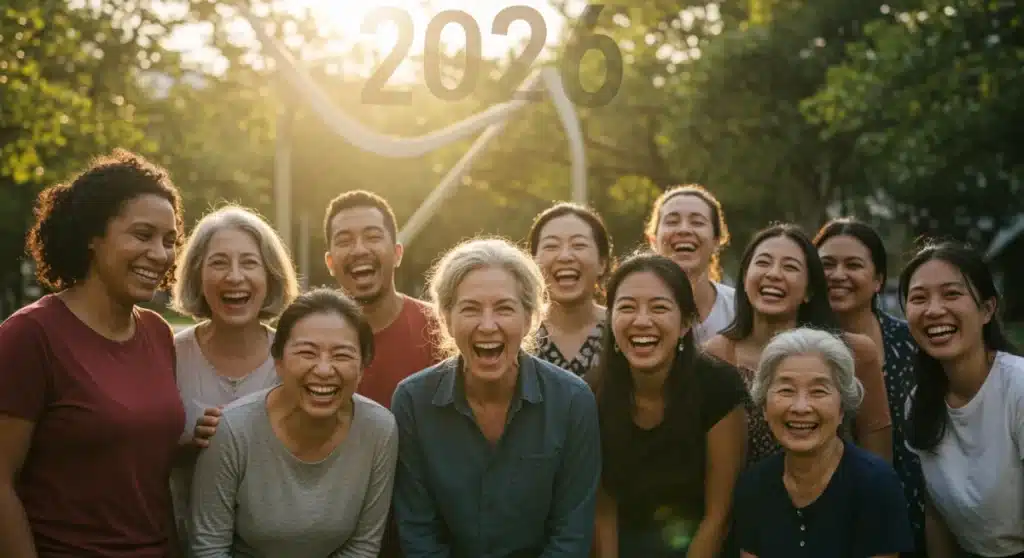
In a world that constantly pushes us towards unattainable ideals of perfection, the concept of Embracing Imperfection 2026 emerges not just as a philosophy, but as a critical pathway to genuine self-acceptance, profound peace, and lasting happiness. As we navigate the complexities and accelerated pace of modern life, the pressure to be flawless—in our careers, relationships, appearance, and even our emotional states—can be overwhelming. This relentless pursuit of an impossible standard often leads to chronic stress, anxiety, self-doubt, and a pervasive feeling of not being ‘enough’. However, by consciously choosing to embrace our imperfections, we unlock a powerful transformative force that allows us to live more authentically, compassionately, and joyfully.
The year 2026 presents a unique opportunity for collective and individual introspection. The rapid advancements in technology, while offering unprecedented connectivity, also intensify the comparison culture, making it harder than ever to escape the curated highlight reels of others’ lives. This essay delves deep into the multifaceted benefits of Embracing Imperfection 2026, examining its psychological underpinnings, practical applications, and the profound impact it can have on our well-being. We will explore how shifting our perspective from flaw-finding to flaw-acceptance can revolutionize our self-perception, enhance our relationships, and foster a more resilient and empathetic society.
The Illusion of Perfection: Why We Chase It
Before we can truly embrace imperfection, it’s crucial to understand why we are so often drawn to its antithesis: perfection. From a young age, many of us are conditioned to believe that perfection is the key to love, success, and acceptance. Society, media, and even well-meaning parents inadvertently reinforce this narrative. We see airbrushed models, meticulously curated social media feeds, and narratives of effortless success, all contributing to a distorted view of reality. This creates an internal mandate to strive for an unachievable ideal, setting us up for inevitable disappointment and self-criticism.
Psychologically, the pursuit of perfection often stems from a fear of judgment, failure, and rejection. We believe that if we can just be perfect, we will be safe from criticism and loved unconditionally. This is a deeply ingrained survival mechanism, but one that ultimately hinders our growth and authentic connection. Perfectionism is often a mask for insecurity, a desperate attempt to control how others perceive us. It keeps us in a constant state of vigilance, preventing us from taking risks, learning from mistakes, and experiencing the messy, beautiful reality of life.
The irony is that true connection and intimacy are built not on flawless facades, but on shared vulnerability and authenticity. When we present a perfect version of ourselves, we create a barrier that prevents others from truly knowing and connecting with us. Embracing Imperfection 2026 means recognizing this illusion and consciously choosing to step out of its shadow.
The Core Principles of Embracing Imperfection
Embracing Imperfection 2026 is not about settling for mediocrity or abandoning aspirations. Instead, it’s about cultivating a healthier, more realistic relationship with ourselves and our humanity. It’s about understanding that our flaws, quirks, and past mistakes are not weaknesses to be hidden, but integral parts of our unique journey and character. Here are some core principles:
1. Self-Compassion over Self-Criticism
One of the most significant shifts in embracing imperfection is moving from a stance of harsh self-criticism to one of gentle self-compassion. Imagine how you would treat a dear friend who made a mistake or was struggling. Would you berate them, call them names, and tell them they’re not good enough? Likely not. You would offer kindness, understanding, and support. Why do we so often deny ourselves this same courtesy?
Self-compassion involves treating ourselves with the same kindness and understanding we would offer to a loved one. It means acknowledging our suffering, recognizing our common humanity (everyone makes mistakes and has flaws), and practicing mindfulness towards our painful emotions without judgment. This is a foundational element of Embracing Imperfection 2026, allowing us to soften our inner critic and create a more nurturing internal environment.
2. Redefining Failure and Success
In a perfectionistic mindset, failure is something to be avoided at all costs, a sign of inadequacy. When we embrace imperfection, we redefine failure as a valuable learning opportunity, a crucial step on the path to growth. Every mistake, every misstep, offers insights and lessons that can propel us forward. True success isn’t about never falling, but about how gracefully and resiliently we pick ourselves up.
This redefinition frees us from the paralyzing fear of not being good enough to try. It encourages experimentation, innovation, and the courage to step outside our comfort zones, knowing that even if things don’t go perfectly, there’s still immense value in the experience. Embracing Imperfection 2026 means celebrating the effort, the learning, and the journey, not just the flawless outcome.
3. Authenticity as a Strength
When we hide our imperfections, we are essentially hiding parts of ourselves. This expends enormous energy and creates a sense of isolation. Authenticity, on the other hand, is about showing up as our true selves, flaws and all. It’s a powerful act of vulnerability that fosters deeper connections and genuine intimacy. When we are authentic, we give others permission to be authentic too, creating a ripple effect of acceptance and understanding.
Authenticity doesn’t mean airing all our dirty laundry indiscriminately, but rather living in alignment with our values and presenting a true representation of who we are. It’s about shedding the masks we wear and trusting that our true selves are worthy of love and belonging. This shift is central to Embracing Imperfection 2026, as it builds a foundation of self-trust and genuine connection.
Practical Strategies for Embracing Imperfection in 2026
The journey to Embracing Imperfection 2026 is ongoing, requiring conscious effort and consistent practice. Here are some actionable strategies you can integrate into your daily life:
1. Practice Mindfulness and Self-Awareness
Mindfulness is the practice of paying attention to the present moment without judgment. It helps us observe our thoughts and feelings, including self-critical ones, without getting entangled in them. By becoming more aware of our internal monologue, we can identify perfectionistic tendencies and challenge them. When you catch yourself striving for an impossible ideal or harshly judging yourself, simply acknowledge the thought without feeding it.
Regular mindfulness meditation, even for just a few minutes a day, can significantly enhance your ability to observe your imperfections with greater acceptance. It teaches you to be present with what is, rather than constantly striving for what isn’t. This practice is vital for Embracing Imperfection 2026.
2. Challenge Your Inner Critic
Your inner critic is a powerful voice that can sabotage your efforts to embrace imperfection. Learn to identify its voice and challenge its assumptions. Ask yourself: Is this thought truly helpful? Is it kind? Is it true? Often, the inner critic’s statements are exaggerated, irrational, and based on old fears rather than present reality.
A useful technique is to externalize the critic. Give it a name or imagine it as a separate entity. This creates a psychological distance, allowing you to observe its pronouncements without internalizing them. Then, consciously choose to respond with a more compassionate and realistic counter-statement. This active challenging is a cornerstone of Embracing Imperfection 2026.
3. Cultivate Self-Compassion Exercises
Actively practice self-compassion. This can involve:
- Self-Compassion Break: When you’re feeling inadequate or experiencing a setback, acknowledge your suffering (‘This is a moment of suffering’). Recognize your common humanity (‘Suffering is a part of life, everyone feels this way sometimes’). And offer yourself kindness (‘May I be kind to myself; may I give myself the compassion I need’).
- Compassionate Touch: Place a hand over your heart or gently cup your face. This physical gesture can calm your nervous system and evoke feelings of warmth and comfort.
- Self-Compassionate Journaling: Write a letter to yourself from the perspective of a wise, compassionate friend, offering understanding and encouragement for your struggles and imperfections.
These exercises are not about self-pity but about building an internal reservoir of resilience and kindness, essential for Embracing Imperfection 2026.
4. Embrace Vulnerability
Vulnerability is often mistaken for weakness, but it is, in fact, a profound strength. It’s the courage to show up and be seen, even when you can’t control the outcome. Start small by sharing a minor imperfection or a personal struggle with a trusted friend or family member. Notice how this act of vulnerability can deepen your connection and reduce feelings of shame.
Brené Brown, a renowned researcher on vulnerability, highlights that it is the birthplace of love, belonging, joy, courage, empathy, and creativity. By embracing vulnerability, you actively practice Embracing Imperfection 2026, opening yourself up to richer, more authentic experiences.
5. Focus on Progress, Not Perfection
Shift your focus from achieving a flawless outcome to celebrating progress, however small. Break down larger goals into smaller, manageable steps. Acknowledge and appreciate each step forward, rather than dwelling on what hasn’t been perfected yet. This mindset fosters motivation and reduces the pressure associated with perfectionism.
Keep a ‘progress journal’ where you note down your small victories and learning experiences. This tangible record can be a powerful reminder of your growth and resilience, reinforcing the benefits of Embracing Imperfection 2026.

6. Surround Yourself with Supportive People
The people we spend time with significantly influence our self-perception. Seek out relationships where you feel accepted, valued, and safe enough to be yourself, flaws and all. Distance yourself from those who constantly criticize, judge, or reinforce perfectionistic ideals. A supportive community can be a powerful catalyst for Embracing Imperfection 2026.
Engage in conversations about vulnerability and shared struggles. You’ll often find that others relate to your imperfections, which can be incredibly validating and reduce feelings of isolation. This shared human experience is a cornerstone of collective imperfection acceptance.
7. Practice Gratitude for Your Unique Qualities
Instead of focusing on what you perceive as flaws, cultivate gratitude for your unique qualities, strengths, and even the experiences that have shaped you, including the challenging ones. Our imperfections often contribute to our individuality and make us interesting, relatable, and resilient.
Make a daily practice of listing things you appreciate about yourself, including those aspects you once considered imperfect. This positive reframing is key to internalizing the message of Embracing Imperfection 2026.
The Broader Impact of Embracing Imperfection in 2026
The individual journey of Embracing Imperfection 2026 has far-reaching implications beyond personal well-being. It can contribute to a more compassionate, understanding, and innovative society.
Enhanced Relationships
When we accept our own imperfections, we become more capable of accepting the imperfections of others. This fosters greater empathy, patience, and understanding in our relationships, leading to deeper, more meaningful connections. We become less judgmental and more forgiving, creating a positive feedback loop that strengthens bonds.
Increased Creativity and Innovation
Perfectionism is a creativity killer. The fear of making mistakes or not being good enough can paralyze us, preventing us from experimenting, taking risks, and exploring new ideas. When we embrace imperfection, we free ourselves to play, to innovate, and to create without the burden of impossibly high standards. This mindset is crucial for problem-solving and driving progress in all fields.
Greater Resilience
Life is inherently unpredictable and full of setbacks. Those who cling to perfectionism often struggle immensely when faced with challenges, as their self-worth is tied to flawless performance. Embracing Imperfection 2026 builds resilience by teaching us that we can survive and even thrive through mistakes and difficulties. It cultivates an inner strength that allows us to bounce back from adversity with greater wisdom and self-trust.
Reduced Mental Health Issues
The relentless pursuit of perfection is strongly linked to anxiety, depression, eating disorders, and burnout. By easing the pressure to be flawless and cultivating self-compassion, we can significantly reduce the risk and severity of these mental health challenges. Embracing Imperfection 2026 is, therefore, a powerful tool for promoting mental well-being on a societal level.
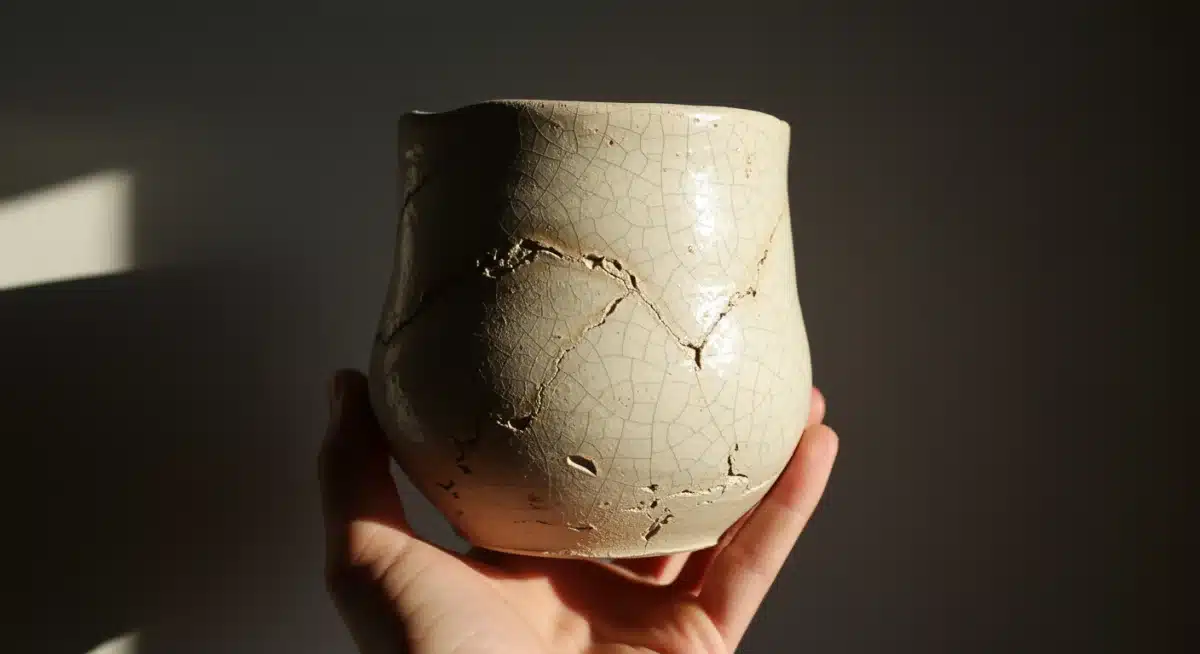
Overcoming Obstacles to Embracing Imperfection
The path to Embracing Imperfection 2026 is not without its challenges. Old habits die hard, and societal pressures are persistent. Here are some common obstacles and how to navigate them:
1. Fear of Judgment
The fear of what others will think is a major barrier. Remind yourself that you cannot control others’ perceptions, and their judgment often reflects their own insecurities rather than your true worth. Focus on your internal compass and the values that matter to you.
2. The Comparison Trap
Social media often fuels the comparison trap, making us feel inadequate. Consciously limit your exposure to content that triggers these feelings. Remember that what you see online is often a curated, idealized version of reality. Focus on your own journey and progress.
3. Deep-Seated Beliefs
Many of us have deeply ingrained beliefs about needing to be perfect to be loved or successful. Identifying these core beliefs and actively working to reframe them through therapy, journaling, or self-help resources can be incredibly beneficial. It’s a gradual process, but a crucial one for truly Embracing Imperfection 2026.
4. The Myth of Effortlessness
Society often promotes the idea that success should look effortless. This can make us feel ashamed of our struggles and the hard work involved in any achievement. Recognize that effort, mistakes, and learning are all part of any meaningful endeavor. There is no shame in the process.
The Future of Self-Acceptance: 2026 and Beyond
As we move further into the 21st century, the conversation around mental health, authenticity, and self-compassion is gaining momentum. Embracing Imperfection 2026 is more than just a trend; it’s a fundamental shift in how we approach our lives and interact with the world. Educational institutions, workplaces, and communities are increasingly recognizing the importance of fostering environments where individuals feel safe to be themselves, make mistakes, and learn without fear of harsh judgment.
The rise of positive psychology and mindfulness practices in mainstream culture also supports this movement. As more people become aware of the detrimental effects of perfectionism, the collective consciousness shifts towards greater acceptance and understanding. This creates a more fertile ground for individuals to truly embrace their authentic selves.
Looking ahead, the continued integration of technology will present both challenges and opportunities. While AI and virtual realities might create new avenues for idealized self-presentation, they also offer tools for personalized mental wellness support and communities focused on genuine connection. The key will be to consciously leverage these tools to promote self-acceptance rather than exacerbate self-criticism.
Conclusion: A Path to Greater Peace
Embracing Imperfection 2026 is an invitation to a more peaceful, authentic, and fulfilling life. It’s about shedding the heavy burden of unrealistic expectations and stepping into the freedom of being truly, beautifully human. It’s a journey of self-discovery, resilience, and profound self-love. By cultivating self-compassion, challenging our inner critic, embracing vulnerability, and focusing on progress, we can transform our relationship with ourselves and the world around us.
Remember, your imperfections do not diminish your worth; they are part of what makes you uniquely you. They tell a story of your journey, your struggles, and your triumphs. In 2026 and beyond, let us collectively choose to celebrate the messy, imperfect, and utterly magnificent reality of who we are. This choice is not just an act of self-care; it is an act of liberation that has the power to create a more compassionate and accepting world for everyone.
Start today. Look at yourself with kindness. Acknowledge your flaws not as failures, but as facets of your intricate being. And know that in Embracing Imperfection 2026, you are stepping onto a path of profound peace and genuine self-acceptance.