Optimize Your Home Yoga Space: 2026 Trends in Ergonomic Matting and Setup for Peak Performance
In an increasingly fast-paced world, the sanctuary of a dedicated home yoga space has become more vital than ever. As we look towards 2026, the evolution of wellness practices continues to merge with technological advancements and a deeper understanding of ergonomics. Gone are the days when a simple mat thrown on the living room floor sufficed. Today, optimizing your home yoga space is about creating an environment that fosters physical alignment, mental clarity, and spiritual growth, all while leveraging cutting-edge design and materials.
This comprehensive guide will delve into the latest trends shaping the ideal home yoga space. We’ll explore everything from revolutionary ergonomic matting to smart technology integrations and mindful design principles that elevate your practice. Whether you’re a seasoned yogi or just beginning your journey, understanding these trends will empower you to craft a personal retreat that supports peak performance and profound well-being.
The Foundation: Ergonomic Matting for Superior Support
The yoga mat is, without a doubt, the most crucial piece of equipment in your home yoga space. However, the mats of 2026 are far from their predecessors. The focus has shifted dramatically towards ergonomic design, offering unprecedented support, stability, and comfort. This isn’t just about cushioning; it’s about intelligent design that actively protects your joints and enhances your alignment.
Advanced Material Science: Beyond Basic Rubber
Expect to see a proliferation of mats made from innovative, sustainable materials. While natural rubber and TPE remain popular, new composites are emerging that offer superior grip, durability, and shock absorption. Think bio-based polymers, recycled ocean plastics, and even cork infused with performance-enhancing additives. These materials are not only eco-friendly but also designed to withstand rigorous daily practice without compromising on tactile feel or longevity.
Targeted Joint Protection: Zoned Cushioning and Support
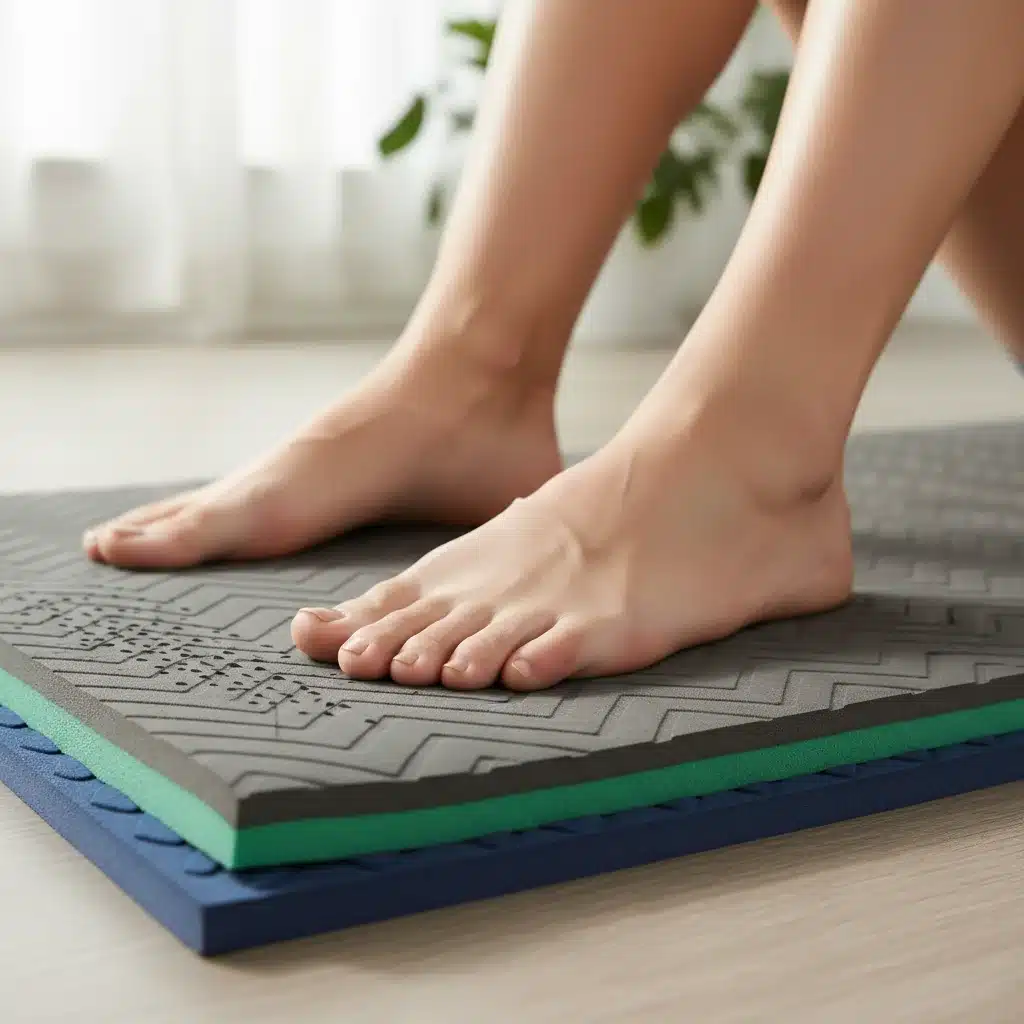
One of the most exciting advancements in ergonomic matting is the introduction of zoned cushioning. Traditional mats offer uniform thickness, but our bodies require varying levels of support. 2026 mats feature strategically placed areas with greater density or thickness to cushion pressure points like knees, wrists, and hips. Conversely, areas requiring more stability for balancing poses might have a firmer, thinner profile. This intelligent design minimizes strain and allows for deeper, more comfortable holds in challenging asanas.
Enhanced Grip Technology: Non-Slip Redefined
Sweaty palms are a common challenge for many yogis. The latest ergonomic mats are addressing this with advanced grip technologies. Beyond simple textured surfaces, we’re seeing mats with micro-etched patterns, moisture-wicking top layers, and even materials that become grippier when damp. This ensures unwavering stability, allowing you to focus on your breath and movement rather than slipping and sliding.
Integrated Alignment Guides: Your Built-in Teacher
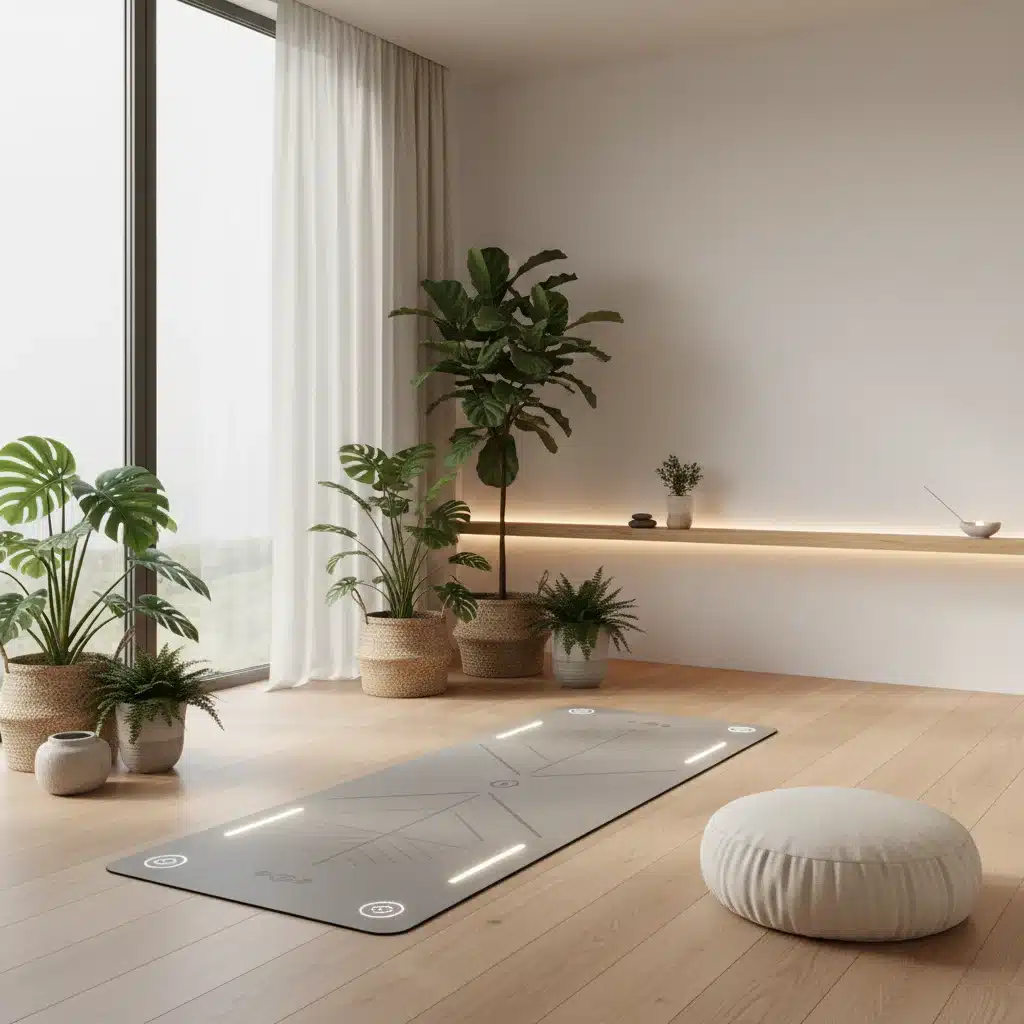
For those practicing at home without an instructor’s constant adjustments, integrated alignment guides are a game-changer. These aren’t just simple lines; they are often subtle, embossed patterns or color variations designed based on anatomical principles to help you correctly position your hands, feet, and body. Some even use haptic feedback or visual cues that react to your posture, offering real-time guidance to refine your poses and prevent injury, making your home yoga space an even more effective learning environment.
The Smart Home Yoga Space: Technology Meets Tranquility
The integration of smart technology into our daily lives extends seamlessly into the wellness realm. Your home yoga space in 2026 can be a hub of intelligent features designed to enhance your practice, monitor your progress, and create an immersive experience.
Interactive Mats and Wearables: Real-Time Feedback
Beyond alignment guides, some next-generation mats incorporate pressure sensors that connect to apps, providing real-time feedback on your balance, weight distribution, and even muscle engagement. Paired with wearables that track heart rate, breath patterns, and flexibility, you can gain unprecedented insights into your practice. Imagine a mat that tells you if your warrior II stance is perfectly aligned or if you’re engaging your core sufficiently in plank.
Personalized Virtual Instruction: AI-Powered Guidance
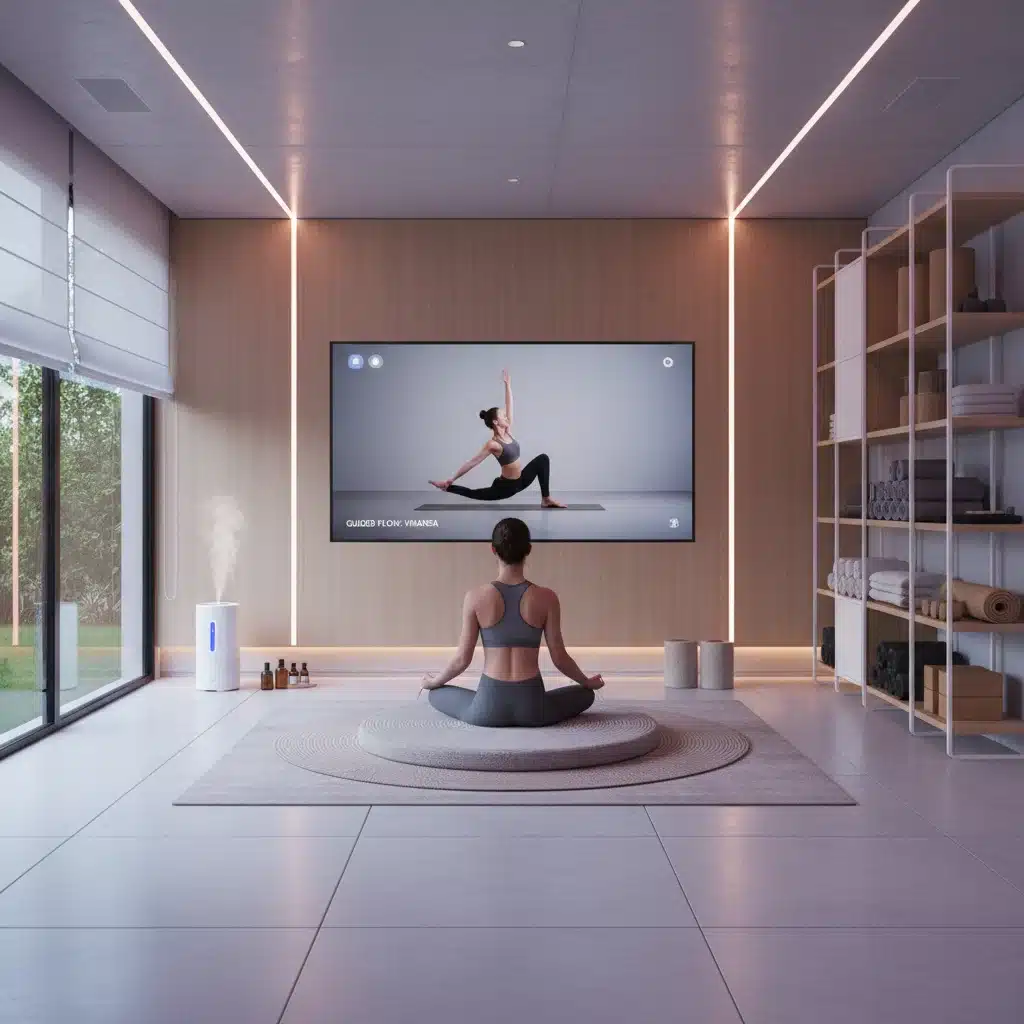
AI-powered virtual instructors are becoming increasingly sophisticated. These platforms can analyze your movements via camera or mat sensors and offer personalized cues, modifications, and even create custom sequences based on your progress and goals. This brings the personalized attention of a private instructor directly into your home yoga space, adapting to your unique needs every session.
Ambient Intelligence: Setting the Mood with Ease
Smart lighting, sound systems, and aroma diffusers are no longer separate entities but integrated components of an intelligent home yoga space. Imagine walking into your dedicated area, and with a voice command or pre-set schedule, the lights dim to a calming hue, a soothing soundscape begins, and a peaceful essential oil scent fills the air. These elements work in harmony to create an optimal environment for focus and relaxation, enhancing the overall sensory experience of your practice.
Connectivity and Community: Global Reach from Your Home
Even with a home practice, the sense of community remains vital. Smart yoga platforms facilitate live-streamed classes with instructors from around the world, allowing you to connect with a global community of yogis. Interactive features like shared progress boards and virtual group practices can add an element of motivation and connection, making your home yoga space a gateway to a broader wellness network.
Designing Your Sanctuary: Mindful Aesthetics and Organization
Beyond the functional aspects, the visual and energetic appeal of your home yoga space plays a significant role in your overall experience. Mindful design principles focus on creating a clutter-free, aesthetically pleasing, and energetically balanced environment.
Natural Elements and Biophilic Design
Bringing the outdoors in continues to be a strong trend. Incorporate natural materials like wood, bamboo, and stone. Potted plants not only add beauty but also improve air quality and imbue a sense of calm. Consider a small water feature for soothing sounds or a window overlooking greenery. Biophilic design principles aim to connect us with nature, reducing stress and enhancing well-being within your home yoga space.
Color Psychology: Setting the Tone
The colors in your home yoga space can profoundly impact your mood and focus. Soft, earthy tones like greens, blues, and muted grays promote tranquility and introspection. Warm neutrals like cream and beige create a sense of comfort and grounding. Avoid overly bright or stimulating colors that might distract from your practice. A cohesive color palette contributes significantly to the peaceful ambiance.
Lighting as a Mood Enhancer
Natural light is ideal, but when unavailable, invest in smart lighting solutions that allow you to adjust brightness and color temperature. Warm, dim light is perfect for restorative practices and meditation, while brighter, natural-spectrum light can be energizing for more dynamic flows. Layered lighting, including ambient, task, and accent lighting, gives you complete control over the atmosphere of your home yoga space.
Declutter and Organize: A Clear Space, a Clear Mind
A cluttered environment leads to a cluttered mind. Dedicate storage solutions for your yoga props – blocks, straps, blankets, and bolsters. Shelving, baskets, or a stylish storage bench can keep your home yoga space tidy and inviting. Regularly decluttering and cleaning your space is an act of mindfulness in itself, ensuring a fresh and inviting area for every practice.
The Power of Scent and Sound
Aromatherapy can instantly shift your mood. Diffusers with essential oils like lavender for relaxation, peppermint for focus, or citrus for uplifting energy can customize your sensory experience. Similarly, a high-quality sound system that can play ambient music, nature sounds, or guided meditations is invaluable. These sensory inputs create a holistic environment that supports deeper immersion in your practice within your home yoga space.
Beyond the Mat: Essential Props and Accessories
While the ergonomic mat is central, a well-equipped home yoga space includes a range of props and accessories that enhance comfort, deepen stretches, and support alignment.
Smart Blocks and Straps
Even traditional props are getting an upgrade. Look for blocks made from sustainable, high-density cork or recycled EVA foam that offer superior grip and stability. Straps are evolving with more comfortable, non-slip materials and innovative buckle designs that are easier to adjust mid-pose. Some smart blocks might even integrate pressure sensors to provide feedback on your balance and distribution.
Supportive Bolsters and Blankets
For restorative yoga, meditation, and deeper stretches, bolsters and blankets are indispensable. Consider bolsters filled with organic buckwheat hulls or kapok for adjustable firmness and excellent support. High-quality cotton or wool blankets add warmth and comfort during savasana or seated meditations, making your home yoga space a truly cozy retreat.
Meditation Cushions (Zafus and Zabutons)
If meditation is part of your practice, a dedicated meditation cushion (zafu) paired with a mat (zabuton) can significantly improve comfort and posture. These ergonomic designs elevate your hips, allowing your spine to lengthen naturally and reducing strain during longer sits. Choosing natural, breathable fabrics further enhances the experience in your home yoga space.
Yoga Wheels and Inversion Benches
For more advanced practitioners or those looking to explore deeper backbends and inversions safely, props like yoga wheels and inversion benches are gaining popularity. These tools provide support and leverage, allowing you to gradually build strength and flexibility in challenging poses, expanding the capabilities of your home yoga space.
Creating a Mindful Routine in Your Home Yoga Space
An optimized home yoga space is more than just a collection of items; it’s a foundation for a consistent and meaningful practice. Here’s how to cultivate a mindful routine within your newly optimized sanctuary:
Establish a Dedicated Time
Consistency is key. Try to designate a specific time each day for your practice. Whether it’s a brisk morning flow or a calming evening stretch, a routine helps to solidify the habit and signals to your mind and body that it’s time to transition into your yoga practice. Your dedicated home yoga space will become a powerful cue for this ritual.
Set Intentions
Before stepping onto your ergonomic mat, take a moment to set an intention for your practice. This could be a word, a phrase, or a feeling you wish to cultivate. This simple act brings mindfulness to your session and helps to focus your energy, making your time in your home yoga space more purposeful.
Embrace Silence or Mindful Sound
While smart sound systems are great, also appreciate moments of silence. If you choose music or guided meditation, ensure it enhances rather than distracts from your focus. Use the ambient intelligence of your home yoga space to create the perfect soundscape.
Listen to Your Body
One of the greatest benefits of a home yoga space is the freedom to listen deeply to your own body without external pressure. Modify poses as needed, rest when required, and explore movements that feel good. Your ergonomic mat and props are there to support your body’s unique needs.
Post-Practice Reflection
After your savasana, take a few moments for reflection. Journal about your experience, meditate for a few extra minutes, or simply sit in quiet contemplation. This integration period is crucial for absorbing the benefits of your practice and reinforces the sanctity of your home yoga space.
Sustainability and Ethical Choices in Your Home Yoga Space
As conscious consumers, our choices extend to our wellness products. The 2026 trends emphasize sustainability and ethical production for your home yoga space.
Eco-Friendly Materials
When selecting mats, props, and decor, prioritize items made from recycled, renewable, or biodegradable materials. Look for certifications that guarantee sustainable sourcing and manufacturing processes. This includes natural rubber, cork, organic cotton, hemp, and recycled plastics. Making these choices reduces your environmental footprint and aligns with the mindful principles of yoga.
Ethical Manufacturing
Support brands that prioritize fair labor practices and transparent supply chains. Research companies that are committed to ethical manufacturing, ensuring that the products in your home yoga space are created with respect for both people and the planet.
Durability and Longevity
Investing in high-quality, durable items means less waste in the long run. An ergonomic mat designed to last for years, rather than months, is a more sustainable choice. Prioritize longevity over fleeting trends to create a truly sustainable home yoga space.
Minimalism and Intentional Consumption
Embrace a minimalist approach to your home yoga space. Focus on acquiring only what truly enhances your practice and well-being. This intentional consumption reduces clutter and waste, creating a more serene and sustainable environment.
Conclusion: Your Evolving Home Yoga Space
The journey to optimizing your home yoga space is an ongoing one, evolving with your practice and the exciting innovations of the wellness world. By embracing 2026 trends in ergonomic matting, smart technology, and mindful design, you can transform a simple corner into a powerful sanctuary for self-discovery and peak performance.
Remember, the ultimate goal is to create a space that feels personal, inspiring, and supportive. It’s a place where you can connect with your breath, challenge your body, and calm your mind, free from distractions. Invest in quality, embrace thoughtful design, and let your home yoga space be a testament to your commitment to holistic well-being. The future of home yoga is here, and it’s more comfortable, intelligent, and transformative than ever before.