Zen Living for Modern Americans: 5-Step Plan to Unplug
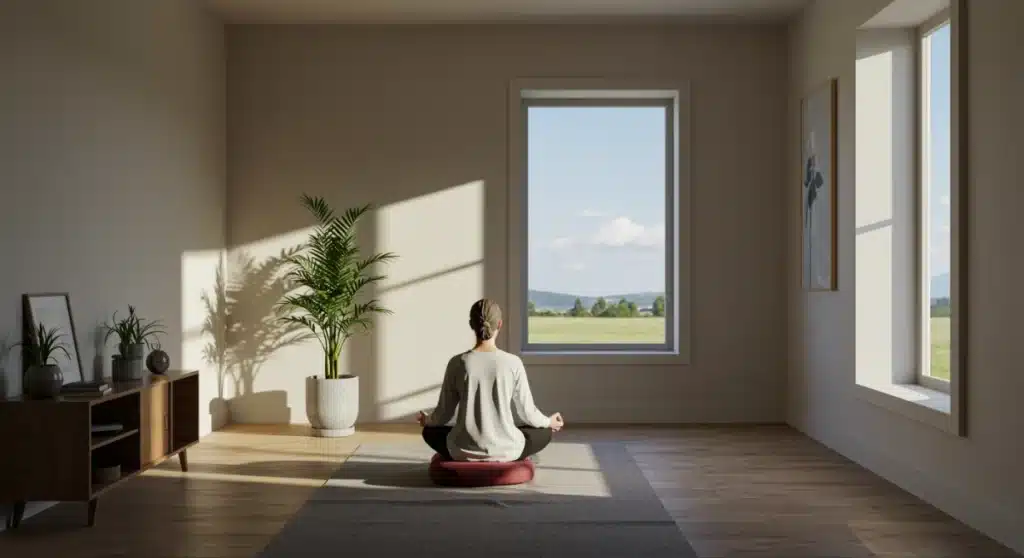
Zen living for the modern American involves a deliberate 5-step plan to systematically unplug from overwhelming digital demands and consciously reconnect with one’s authentic self, fostering profound inner peace and balance in the year 2025.
In our increasingly fast-paced world, the concept of Zen living for the modern American offers a vital pathway to tranquility. This guide provides a practical 5-step plan to help you unplug from constant digital noise and reconnect with your inner self, paving the way for a more balanced and mindful 2025.
Understanding Zen Living in a Modern Context
Zen living is often misunderstood as an esoteric practice reserved for monks in remote monasteries. However, its core principles of mindfulness, simplicity, and inner peace are profoundly relevant to the bustling life of a modern American. It’s not about abandoning technology or societal engagement, but rather about cultivating a conscious approach to how we interact with both.
The essence of Zen living lies in being fully present in each moment, recognizing that true contentment doesn’t come from external achievements or possessions, but from within. This perspective encourages a shift from constant doing to mindful being, allowing us to navigate daily challenges with greater calm and clarity.
The Digital Dilemma: Why Unplugging Matters
The omnipresence of digital devices and social media has created a culture of constant connection, often leading to overwhelm and distraction. While these tools offer undeniable benefits, their unmanaged use can erode our ability to focus, foster genuine connections, and even impact our mental health. Unplugging isn’t about rejection; it’s about reclaiming control over our attention and time.
- Reduced Mental Clutter: Constant notifications and information overload create cognitive fatigue.
- Enhanced Real-World Connections: Less screen time frees up space for meaningful interactions with loved ones.
- Improved Sleep Quality: Blue light from screens disrupts melatonin production, affecting sleep cycles.
- Greater Self-Awareness: Stepping away from external stimuli allows for introspection and self-discovery.
Embracing Zen living means strategically integrating periods of digital disconnection into our routines. This allows us to create mental space, reduce anxiety, and foster a deeper appreciation for the present moment, ultimately leading to a more fulfilling life.
Step 1: Cultivating Mindful Digital Disconnection
The first step towards Zen living for the modern American involves intentional digital disconnection. This isn’t about a complete ban on technology, but rather about establishing healthy boundaries and practices that allow for periods of genuine unplugging. The goal is to move from unconscious consumption to conscious engagement with our digital world.
Start by identifying your personal digital habits. How much time do you spend on social media, email, or streaming services? Awareness is the first critical step to making meaningful changes. Once you understand your patterns, you can begin to implement strategies that support a more mindful relationship with technology.
Strategies for Effective Digital Detox
Implementing a digital detox doesn’t have to be an all-or-nothing endeavor. Small, consistent changes can lead to significant improvements in your mental well-being and overall presence. It’s about finding what works best for your lifestyle and gradually expanding those practices.
- Scheduled Unplugging Times: Designate specific hours each day or week where all non-essential devices are turned off or put away. This could be during meals, an hour before bedtime, or a dedicated weekend morning.
- Notification Management: Turn off non-essential notifications on your phone and computer. This reduces interruptions and allows for sustained focus on tasks or present-moment activities.
- Tech-Free Zones: Establish areas in your home, such as the bedroom or dining table, as tech-free zones. This promotes relaxation and encourages face-to-face interaction.
Consistent practice of these strategies helps retrain your brain to be less dependent on digital stimulation, fostering a greater capacity for presence and inner calm. This mindful approach to technology is fundamental to achieving a Zen lifestyle in the modern world.
Step 2: Embracing the Power of Presence and Mindfulness
After creating space through digital disconnection, the next crucial step in Zen living for the modern American is to actively cultivate presence and mindfulness. This involves intentionally bringing your attention to the current moment, observing your thoughts, feelings, and surroundings without judgment. It’s about experiencing life as it unfolds, rather than constantly planning for the future or dwelling on the past.
Many Americans find themselves caught in a cycle of multitasking and perpetual busyness, which fragments attention and diminishes the quality of their experiences. Mindfulness offers an antidote, allowing us to slow down and truly engage with whatever we are doing, whether it’s drinking a cup of coffee or walking in nature.
Practical Mindfulness Techniques for Daily Life
Mindfulness doesn’t require hours of meditation, though that can certainly be a part of it. It can be integrated into everyday activities, transforming routine tasks into opportunities for conscious engagement. The key is to start small and build consistency.
- Mindful Breathing: Take a few moments each day to focus solely on your breath. Notice the sensation of air entering and leaving your body. This simple practice can anchor you to the present.
- Mindful Eating: When you eat, pay attention to the colors, textures, smells, and tastes of your food. Chew slowly and savor each bite, rather than rushing through the meal.
- Walking Meditation: As you walk, notice the sensation of your feet on the ground, the movement of your body, and the sights and sounds around you. Let go of distractions and simply be present with each step.
By consistently practicing these techniques, you can strengthen your ability to remain present and responsive, rather than reactive, to life’s demands. This cultivation of mindfulness is a cornerstone of Zen living, enhancing your appreciation for everyday moments and reducing stress.
Step 3: Simplifying Your Environment and Routines
A cluttered external environment often mirrors a cluttered internal state. For Zen living for the modern American, simplifying your physical space and daily routines is a powerful way to reduce mental burden and create a sense of calm. This step involves decluttering, organizing, and streamlining aspects of your life to eliminate unnecessary distractions and demands.
The American consumer culture often encourages accumulation, leading to homes filled with items that may not serve a real purpose or bring joy. Simplifying isn’t about deprivation; it’s about intentionality – choosing to surround yourself only with what truly matters and supports your well-being.
Decluttering for Inner Peace
The act of decluttering can be surprisingly therapeutic. It allows you to let go of physical items that are weighing you down, which can in turn lighten your mental load. Start with small areas and gradually work your way through your home.
- The “One In, One Out” Rule: For every new item you bring into your home, commit to removing one similar item. This prevents accumulation and encourages conscious purchasing decisions.
- Tidying by Category: Instead of tackling an entire room, focus on one category of items at a time (e.g., clothes, books, kitchenware). This approach can be less overwhelming and more effective.
- Creating Clear Surfaces: Aim to keep surfaces in your home as clear as possible. This reduces visual noise and creates a more serene atmosphere, making it easier to relax and focus.
Beyond physical decluttering, consider simplifying your routines. Can you automate certain tasks, reduce your commitments, or streamline your daily schedule? A simpler life often leads to less stress and more time for what truly nourishes your soul, aligning perfectly with Zen principles.
Step 4: Reconnecting with Nature and Movement
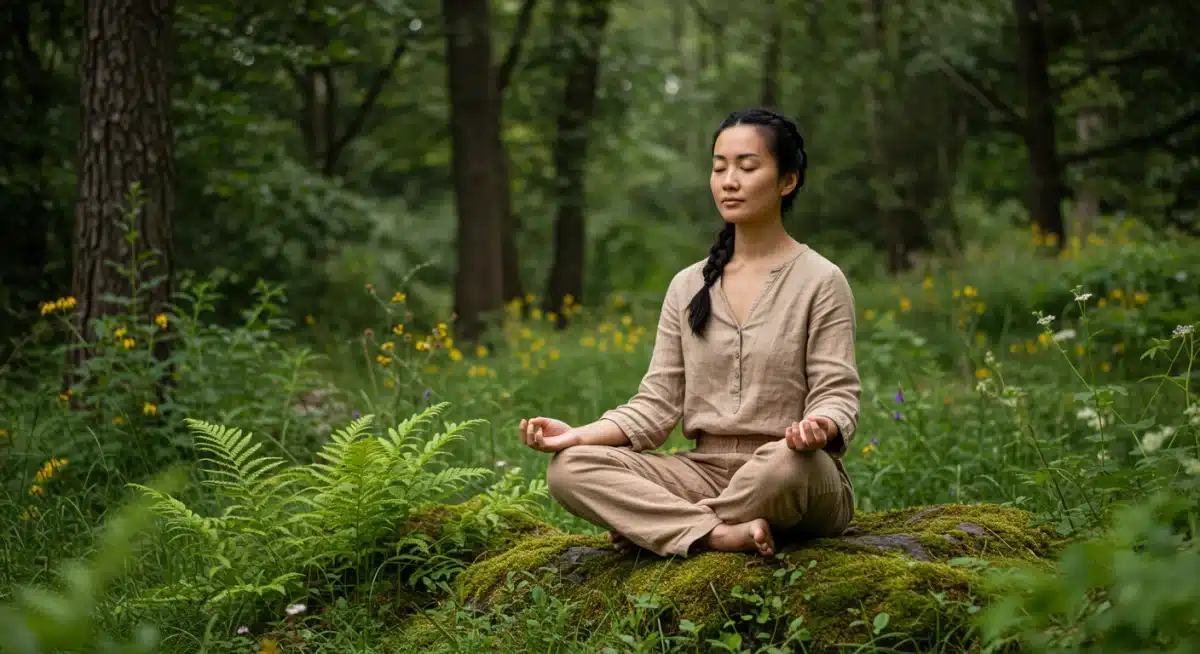
In the urbanized landscape of modern America, it’s easy to lose touch with the natural world, yet reconnection with nature is a fundamental aspect of Zen living for the modern American. Spending time outdoors and engaging in conscious movement can profoundly impact our physical and mental health, grounding us and fostering a sense of interconnectedness.
Nature offers a calming antidote to the stresses of modern life. Its rhythms and beauty provide a sense of perspective and often inspire introspection. Coupled with intentional movement, this step helps to integrate mind and body, a core tenet of Zen philosophy.
Integrating Nature and Movement into Your Day
You don’t need to embark on a wilderness expedition to reap the benefits of nature. Even small doses of green space can make a significant difference. Similarly, conscious movement doesn’t necessarily mean intense workouts; it’s about moving your body with awareness and intention.
- Daily Nature Doses: Take a short walk in a local park, sit by a window with a view of trees, or tend to indoor plants. Even a few minutes can reduce stress and improve mood.
- Mindful Walking or Hiking: Instead of rushing through your walk, pay attention to the sounds, smells, and sights of nature. Feel the ground beneath your feet and the air on your skin.
- Yoga and Conscious Movement: Practices like yoga, tai chi, or even simple stretching encourage you to connect with your body’s sensations and breath, enhancing physical and mental harmony.
By consciously seeking out opportunities to engage with nature and move your body, you can foster a deeper sense of grounding and vitality. This integration helps to balance the demands of modern life with the restorative power of the natural world, enriching your Zen living journey.
Step 5: Cultivating Gratitude and Compassion
The final step in our 5-step plan for Zen living for the modern American is perhaps the most profound: cultivating gratitude and compassion. These practices shift our focus from what is lacking to what is abundant, and from self-preoccupation to interconnectedness with others. They are powerful tools for fostering inner peace and a more positive outlook on life.
In a society often driven by comparison and consumerism, it’s easy to overlook the simple blessings and the shared humanity that surrounds us. Gratitude and compassion act as anchors, reminding us of our inherent worth and our capacity for kindness, both towards ourselves and others.
Practices for a Grateful and Compassionate Heart
Cultivating gratitude and compassion doesn’t require grand gestures; it begins with small, consistent practices that reframe your perspective. These practices can be integrated into your daily routine, gradually transforming your inner landscape.
- Gratitude Journaling: Each day, write down three to five things you are genuinely grateful for. They can be simple, like a warm cup of coffee, or significant, like a supportive friend.
- Mindful Appreciation: Take moments throughout the day to consciously appreciate the beauty, kindness, or positive aspects of your surroundings and interactions.
- Loving-Kindness Meditation: Practice sending wishes of well-being, happiness, and freedom from suffering to yourself, loved ones, neutral people, difficult people, and all beings.
By regularly engaging in these practices, you can foster a more open, resilient, and joyful heart. Gratitude helps us recognize the richness of our lives, while compassion expands our capacity for empathy and connection, making Zen living a deeply fulfilling path for the modern American.
| Key Step | Brief Description |
|---|---|
| Mindful Digital Disconnection | Establish healthy boundaries with technology to reclaim attention and reduce overwhelm. |
| Embrace Presence & Mindfulness | Practice being fully present in each moment through simple daily techniques. |
| Simplify Environment & Routines | Declutter physical space and streamline schedules to reduce mental burden. |
| Reconnect with Nature & Movement | Spend time outdoors and engage in conscious physical activity for grounding. |
Frequently Asked Questions About Zen Living
Zen living for a modern American is about integrating principles of mindfulness, simplicity, and presence into everyday life. It involves conscious choices to reduce digital noise, simplify surroundings, and cultivate inner peace amidst the demands of contemporary society, rather than completely withdrawing from it.
Begin with small, manageable steps. Designate specific tech-free times, like during meals or an hour before bed. Turn off non-essential notifications. Gradually increase these periods as you become more comfortable, focusing on the quality of your presence rather than the quantity of time unplugged.
While meditation is a powerful tool, it’s not strictly essential in its formal sense. Zen living emphasizes mindfulness in all activities. You can practice presence through mindful breathing, eating, or walking. Formal meditation can deepen your practice, but daily mindful moments are key.
A simplified environment reduces visual and mental clutter, creating a sense of calm and order. Less physical distraction often leads to less mental distraction, making it easier to focus, relax, and cultivate inner peace, aligning with the Zen principle of simplicity and clarity.
Nature provides a grounding and restorative influence. Spending time outdoors can reduce stress, improve mood, and foster a sense of perspective. It helps you reconnect with natural rhythms and your own inner self, offering a vital counterbalance to the artificiality of modern digital life.
Conclusion
Embracing Zen living for the modern American is not a retreat from the world but a conscious engagement with it, built on principles of mindfulness, simplicity, and connection. By following this 5-step plan—cultivating mindful digital disconnection, embracing presence, simplifying your environment, reconnecting with nature and movement, and fostering gratitude and compassion—you can navigate the complexities of 2025 with greater peace and purpose. This holistic approach empowers you to unplug from distractions and deeply reconnect with your authentic self, creating a life that is not only calmer but also profoundly richer and more meaningful.