Zen Principles for Life: Simplify and Gain 2 Hours Weekly
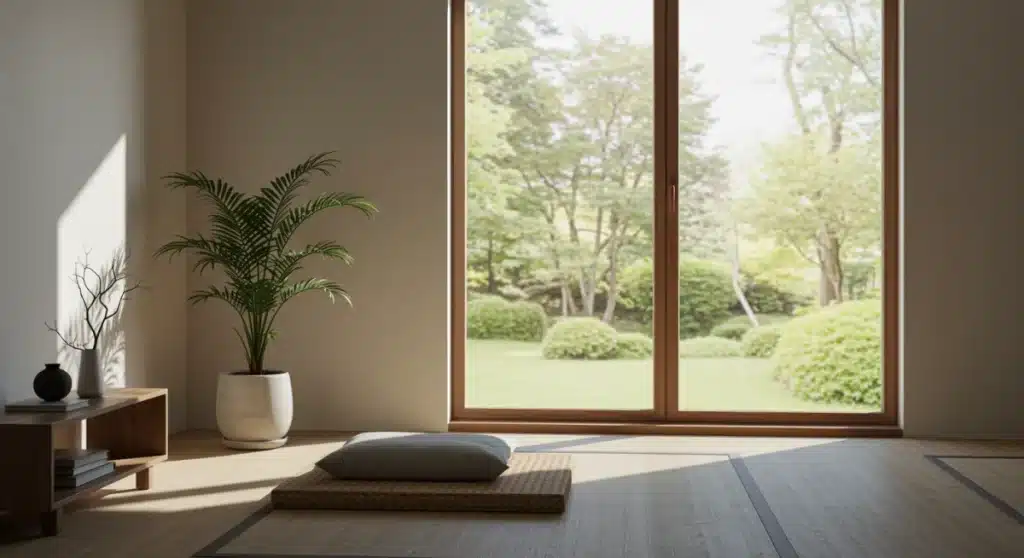
Applying zen principles to simplify your life can significantly reduce mental and physical clutter, leading to greater efficiency and potentially freeing up two hours weekly for personal growth and well-being.
Are you constantly feeling overwhelmed by endless tasks, digital distractions, and physical clutter? The promise of gaining an extra two hours weekly might sound like a dream, but with the right approach, it’s entirely achievable. This article explores how embracing zen principles simplify life, moving beyond mere decluttering to cultivate a profound sense of clarity and efficiency in your daily existence.
Understanding the Essence of Zen for Modern Living
Zen is often misunderstood as simply an aesthetic or a rigid set of rules. In reality, it’s a philosophy focused on simplicity, mindfulness, and living in the present moment. For modern life, this translates into practical strategies for reducing complexity and enhancing focus.
By integrating zen principles, we can transform our environments and routines into sources of peace rather than stress. It’s about making conscious choices that align with our deepest values, letting go of the unnecessary, and making space for what truly matters. This isn’t just about tidying up; it’s about a fundamental shift in perspective that impacts every aspect of our lives.
The philosophy of Wabi-Sabi and its application
Wabi-Sabi is a core zen concept that celebrates imperfection, impermanence, and incompleteness. In the context of simplifying your life, this means letting go of the pursuit of perfection and embracing the natural flow of things. It encourages us to appreciate the beauty in the worn, the simple, and the authentic.
- Embrace authenticity: Choose items that resonate with you, not just what’s fashionable.
- Accept impermanence: Understand that possessions are temporary and don’t define your worth.
- Find beauty in simplicity: Appreciate objects for their utility and natural form, rather than their ornamentation.
Adopting Wabi-Sabi helps us resist the urge to constantly acquire more, fostering contentment with what we already have. It shifts our focus from quantity to quality, encouraging us to invest in durable, meaningful items that serve a purpose and bring joy.
Ultimately, understanding the essence of zen is about creating harmony between our inner and outer worlds. It’s a journey towards intentional living, where every decision is a step towards greater peace and efficiency. When we align our actions with these timeless principles, we naturally find more time and energy for what truly enriches our lives.
Principle 1: Cultivating Mindful Awareness to Reduce Digital Clutter
In our hyper-connected world, digital clutter often rivals physical clutter in its ability to overwhelm us. Mindful awareness, a cornerstone of zen practice, offers a powerful antidote. It teaches us to pay attention to the present moment without judgment, extending this focus to our digital habits.
By becoming more aware of how we interact with technology, we can identify patterns that contribute to stress and inefficiency. This isn’t about abandoning technology but rather about using it intentionally and consciously, ensuring it serves us rather than controls us.
Strategies for digital decluttering
Mindful digital decluttering begins with an honest assessment of our digital landscape. This includes our inboxes, social media feeds, applications, and even the files on our devices. The goal is to streamline, organize, and eliminate unnecessary digital noise.
- Email triage: Process emails with a ‘zero inbox’ mentality, archiving or deleting immediately.
- App audit: Delete unused apps and organize frequently used ones into intuitive folders.
- Notification control: Turn off non-essential notifications to minimize interruptions.
Applying mindful awareness to digital interactions means pausing before reaching for your phone or opening another tab. Ask yourself: Is this action truly necessary? Does it align with my goals, or is it a distraction? This simple act of pausing can break the cycle of unconscious digital consumption.
The practice of mindful awareness also extends to how we consume information online. Instead of endlessly scrolling, we can choose to engage with content that is enriching and relevant. This selective consumption not only saves time but also protects our mental well-being from information overload. By consciously managing our digital environment, we reclaim valuable mental space and time, paving the way for more focused and productive hours.
Principle 2: The Art of Intentional Consumption and Physical Decluttering
Physical clutter is a tangible manifestation of unintentional consumption, often reflecting a lack of mindfulness in our purchasing habits. The zen principle of intentional consumption encourages us to be deliberate about what we bring into our lives, focusing on quality, utility, and genuine need rather than impulsive desires. This approach extends beyond simply tidying up; it’s about preventing clutter before it even enters our homes.
By adopting intentional consumption, we reduce the amount of physical items we accumulate, thereby simplifying our living spaces and minimizing the time spent organizing and maintaining possessions. This conscious approach fosters a sense of contentment and appreciation for what we have, rather than a constant yearning for more.
Implementing a ‘one in, one out’ rule
A practical application of intentional consumption is the ‘one in, one out’ rule. For every new item you acquire, commit to letting go of an existing item in the same category. This simple rule helps maintain balance and prevents accumulation.
- Clothes: If you buy a new shirt, donate an old one.
- Books: When you purchase a new book, lend or donate one you’ve already read.
- Kitchenware: Replace an old pot with a new one, but don’t just add to the collection.
This method not only keeps your possessions in check but also forces you to evaluate the true value and necessity of each item. It cultivates a habit of mindful decision-making, transforming your relationship with material goods. The process of physical decluttering, when approached with intention, becomes a liberating experience, shedding the weight of unnecessary possessions.
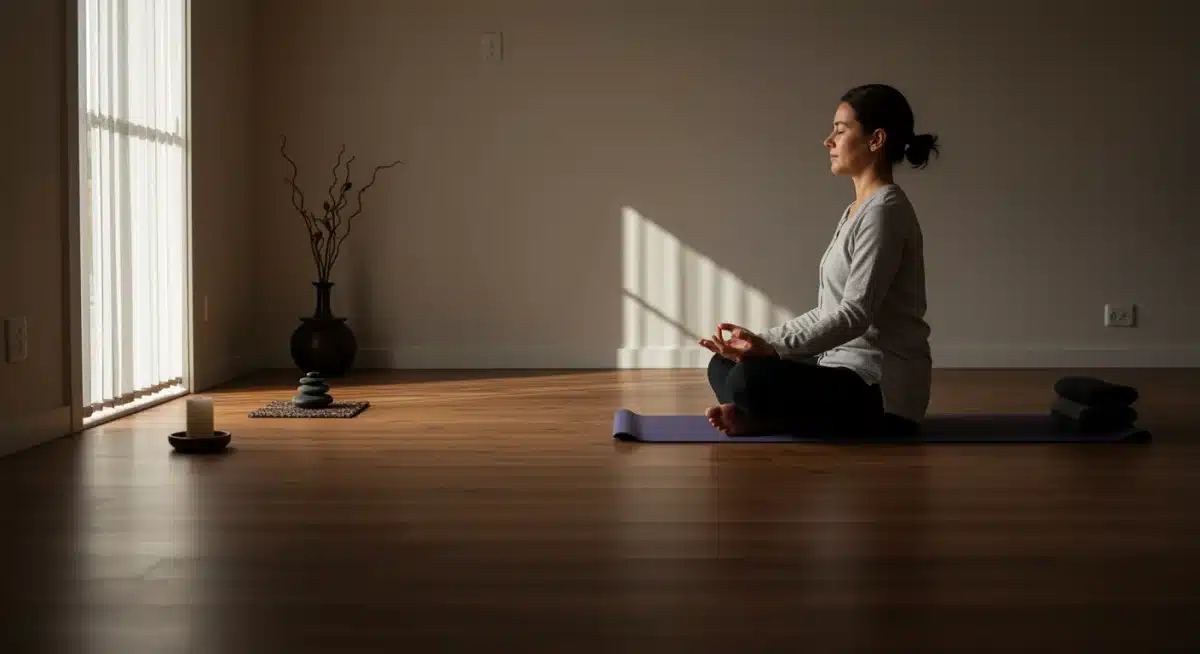
Moreover, intentional consumption encourages us to invest in items that are durable, multi-functional, and aesthetically pleasing. This reduces the need for frequent replacements and contributes to a more sustainable lifestyle. By consciously curating our physical environment, we create spaces that support tranquility and efficiency, freeing up mental energy and time that would otherwise be spent managing clutter. This deliberate approach to our belongings ultimately contributes to a more peaceful and productive life, aligning perfectly with the core tenets of zen living.
Principle 3: Embracing Simplicity in Routines to Boost Efficiency
Our daily routines often become unnecessarily complex, filled with redundant steps or habits that no longer serve us. Zen principles advocate for simplicity not just in our physical surroundings but also in our actions and schedules. By streamlining our routines, we can significantly reduce decision fatigue, enhance efficiency, and ultimately create more free time.
This principle is about identifying essential tasks and eliminating or simplifying non-essential ones. It requires a mindful review of how we spend our time, challenging the notion that busy equals productive. True productivity often stems from focused effort on fewer, more impactful activities.
The power of minimalist scheduling
Minimalist scheduling involves intentionally planning fewer commitments and leaving ample space for flexibility and spontaneity. It’s about prioritizing quality over quantity in our daily activities.
- Identify top priorities: Focus on 2-3 essential tasks for the day and block out time for them.
- Batch similar tasks: Group activities like emails, calls, or errands to reduce context switching.
- Build in buffer time: Allow for unexpected delays or moments of rest between appointments.
By simplifying our routines, we reduce the mental load associated with constant planning and decision-making. This frees up cognitive resources, allowing us to approach tasks with greater clarity and focus. The goal is not to fill every minute but to ensure that the minutes we do fill are spent on meaningful activities.
Furthermore, embracing simplicity extends to our morning and evening rituals. Creating calm, predictable routines before starting and ending the day can set a positive tone and improve sleep quality, which in turn boosts overall efficiency. For instance, a simple morning routine might involve meditation, a light breakfast, and a quick review of the day’s priorities, free from digital distractions. By consciously simplifying our routines, we create a more harmonious flow to our days, leading to a noticeable increase in available time and a significant reduction in overall stress.
Principle 4: Practicing Present Moment Awareness for Time Reclamation
One of the most profound zen principles is present moment awareness, often referred to as mindfulness. In our fast-paced lives, we frequently find ourselves dwelling on the past or worrying about the future, missing the richness of the current moment. This mental scattering not only diminishes our experience but also makes us less efficient, leading to wasted time and missed opportunities for presence.
By consciously bringing our attention back to the ‘here and now,’ we can engage more fully with tasks, conversations, and experiences. This heightened focus reduces errors, improves retention, and makes us more effective in everything we do, thereby implicitly reclaiming time that might otherwise be lost to distraction or inefficiency.
Techniques for cultivating presence
Cultivating present moment awareness doesn’t require hours of meditation (though it certainly helps). It can be integrated into everyday activities through simple, consistent practices.
- Mindful breathing: Take a few deep breaths and focus on the sensation of air entering and leaving your body, especially during transitions or when feeling overwhelmed.
- Single-tasking: Dedicate your full attention to one task at a time, avoiding multitasking which often leads to reduced quality and increased time.
- Sensory awareness: Pay attention to the sights, sounds, smells, tastes, and textures of your current environment or activity.
When we practice present moment awareness, we become more attuned to our internal and external environments. This allows us to make better decisions in real-time, whether it’s choosing to disengage from a distracting notification or fully immersing ourselves in a productive work session. The quality of our attention directly impacts the quality of our output and our overall well-being.
Reclaiming time through present moment awareness is not about adding another task to your plate; it’s about transforming how you approach all tasks. By being fully engaged, you complete activities more quickly and effectively, and you also experience them more deeply. This deeper engagement often leads to a greater sense of satisfaction and less need for escapism, ultimately leaving you with more genuine free time and a life lived with greater intention and joy.
Integrating Zen Principles into Your Daily Schedule for Tangible Gains
The true power of zen principles lies not just in understanding them, but in their consistent application. Integrating these concepts into your daily schedule is the pathway to tangible benefits, including the coveted gain of two extra hours each week. This integration requires intentional effort and a willingness to reassess ingrained habits, but the rewards are profound, leading to a more peaceful and productive existence.
Starting small and building momentum is key. Don’t try to overhaul your entire life overnight. Instead, choose one principle to focus on each week or month, gradually weaving them into the fabric of your daily life. This incremental approach makes the transformation sustainable and less daunting.
Practical steps for daily integration
To begin integrating zen principles, consider specific actions you can take each day. These small shifts can lead to significant cumulative changes over time.
- Morning ritual: Start your day with 5-10 minutes of silent reflection or mindful breathing before checking devices.
- Digital detox moments: Designate specific times each day (e.g., mealtimes, an hour before bed) as screen-free zones.
- Weekly declutter: Spend 15-30 minutes each week tidying one specific area, applying the ‘one in, one out’ rule.
- Single-tasking focus: When working on a project, close all other tabs and notifications to maintain singular focus.
The consistent practice of these integrations will begin to shift your internal landscape. You’ll notice a reduction in mental chatter, an increased ability to focus, and a greater sense of calm amidst daily demands. The time you save will emerge not from working faster, but from working smarter and more mindfully, eliminating inefficiencies and distractions.
The cumulative effect of these practices is where the two extra hours truly materialize. Less time spent searching for misplaced items, less mental energy wasted on digital noise, and more efficient task completion all contribute to a significant return of precious time. This reclaimed time can then be purposefully directed towards personal growth, hobbies, relationships, or simply quiet contemplation, enriching your life in meaningful ways. By embracing and integrating these zen principles, you’re not just simplifying; you’re actively creating a life of greater purpose and spaciousness.
Sustaining Your Simplified Zen Lifestyle: Long-Term Strategies
Adopting zen principles to simplify your life is a journey, not a destination. Sustaining a simplified zen lifestyle requires ongoing commitment, regular reflection, and a willingness to adapt. The initial enthusiasm for decluttering and streamlining can wane, making long-term strategies crucial for maintaining the benefits you’ve achieved, especially the newfound time and peace.
This means establishing habits that reinforce mindfulness and intentionality, preventing old patterns of accumulation and distraction from creeping back in. It’s about building resilience and creating a system that supports your simplified way of living, even when life gets busy or challenging.
Developing consistent maintenance habits
To sustain your zen lifestyle, integrate small, consistent maintenance habits into your weekly and monthly routines. These aren’t burdensome tasks but rather gentle checks and balances.
- Monthly digital cleanse: Review and organize your digital files, unsubscribe from unnecessary newsletters, and clear your desktop.
- Seasonal wardrobe edit: Every few months, assess your clothing, donating or discarding items that no longer serve you.
- Regular reflection: Set aside time weekly to reflect on your schedule and commitments, ensuring they align with your values.
- Boundary setting: Continuously evaluate your boundaries with technology, social engagements, and new commitments to protect your time and energy.
The key to long-term sustainability is to view these practices not as chores, but as acts of self-care and respect for your time and mental space. They are investments in your well-being, reinforcing the peace and efficiency you’ve cultivated. Regularly reminding yourself of the benefits – the reduced stress, increased focus, and gained hours – can also serve as powerful motivation.
Furthermore, consider finding a community or accountability partner who also values a simplified lifestyle. Sharing experiences and tips can provide encouragement and new perspectives. By consistently nurturing your zen practices, you ensure that the extra two hours you’ve gained each week become a permanent fixture in a life that is truly simplified, meaningful, and deeply satisfying.
| Zen Principle | Benefit for Time & Simplicity |
|---|---|
| Mindful Awareness | Reduces digital distractions and improves focus, saving mental energy. |
| Intentional Consumption | Minimizes physical clutter, cutting down on organizing and maintenance time. |
| Simplicity in Routines | Streamlines daily tasks, reduces decision fatigue, and boosts overall efficiency. |
| Present Moment Awareness | Enhances engagement and productivity, preventing time lost to distraction. |
Frequently asked questions about zen simplification
The core idea is to cultivate simplicity, mindfulness, and intentionality in all aspects of life. This means reducing physical and digital clutter, streamlining routines, and focusing on the present moment to enhance peace, efficiency, and overall well-being.
Mindful awareness helps by encouraging conscious engagement with technology. By pausing before interacting with devices and asking if an action is necessary, you can reduce unconscious scrolling, excessive notifications, and information overload, leading to a clearer digital space.
Intentional consumption means being deliberate about what you acquire. It involves prioritizing quality, utility, and genuine need over impulse buying, often using a ‘one in, one out’ rule to prevent accumulation and maintain a clutter-free environment.
Yes, by streamlining tasks, batching similar activities, and setting clear priorities, you reduce decision fatigue and inefficiencies. This focused approach to your schedule cumulatively saves significant time, making two hours a week a realistic and achievable goal.
Sustaining a zen lifestyle involves consistent maintenance habits like regular digital and physical cleanses, ongoing reflection on your commitments, and setting boundaries. Viewing these practices as self-care helps reinforce their importance and keeps you aligned with your simplified living goals.
Embracing a more mindful and efficient existence
The journey to simplify your life and gain an invaluable two hours each week is not merely about removing physical items or digital distractions; it’s a holistic transformation grounded in timeless zen principles. By cultivating mindful awareness, practicing intentional consumption, embracing simplicity in routines, and living with present moment awareness, you unlock a profound sense of calm and efficiency. These practices collectively free up not just time, but also mental and emotional bandwidth, allowing you to live a life that is more aligned with your true values and less burdened by the incessant demands of modern existence. Start small, be consistent, and watch as your world becomes clearer, calmer, and infinitely more fulfilling.