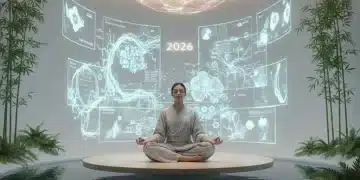
Work-Life Integration 2025: Burnout Reduction

Achieving effective work-life integration in 2025 is crucial for reducing burnout by 25% through strategic boundary setting, fostering a healthier and more productive professional and personal life.
The concept of work-life integration 2025 isn’t just a trendy phrase; it’s a critical approach to achieving a substantial 25% reduction in burnout by establishing strategic boundaries. As the lines between our professional and personal lives continue to blur, particularly with evolving work models, understanding and implementing effective integration strategies has become paramount for overall well-being and sustained productivity.
Understanding the Evolution of Work-Life Dynamics
The traditional notion of work-life balance, often depicted as a seesaw, implied a constant struggle to equally distribute time and energy between two distinct realms. However, the modern professional landscape, accelerated by technological advancements and the rise of remote work, has rendered this compartmentalization largely obsolete. We now live in an era where work and life are intertwined, creating a need for integration rather than strict separation.
This shift demands a more fluid and adaptable approach, recognizing that work is a part of life, not a separate entity to be balanced against it. The goal is to create a harmonious blend where professional responsibilities and personal aspirations coexist and support each other, rather than competing for dominance. This integration, when managed effectively, can lead to greater fulfillment and significantly mitigate the risk of burnout.
The Blurring Lines and Their Impact
- Technological Tethering: Smartphones and constant connectivity mean work is always accessible, often eroding personal time.
- Remote Work Flexibility: While offering autonomy, it can also lead to an ‘always-on’ culture if boundaries aren’t set.
- Globalized Workforce: Different time zones can extend working hours, making clear distinctions essential.
The challenges of this integrated environment are real, but so are the opportunities. By consciously designing our work and life around our values and priorities, we can harness the benefits of flexibility while protecting our mental and physical health. This proactive approach is foundational to achieving a sustainable and satisfying existence.
The Burnout Epidemic: Why 2025 Demands Action
Burnout isn’t merely feeling tired; it’s a state of emotional, physical, and mental exhaustion caused by prolonged or excessive stress. It’s characterized by feelings of energy depletion, increased mental distance from one’s job, negative feelings or cynicism related to one’s job, and reduced professional efficacy. The World Health Organization officially recognized burnout as an occupational phenomenon in 2019, highlighting its pervasive impact on individuals and organizations.
As we look to 2025, the pressures contributing to burnout are only intensifying. Economic uncertainties, rapid technological changes, and the lingering effects of global events continue to place significant demands on the workforce. Without deliberate strategies for work-life integration, the incidence of burnout is likely to escalate, leading to decreased productivity, higher turnover rates, and a decline in overall well-being.
Addressing burnout proactively requires a shift in mindset, moving from reactive coping mechanisms to preventative measures. This involves understanding the root causes of burnout and implementing systemic changes, both individually and organizationally, to foster a healthier work environment.
Key Contributors to Burnout in the Modern Era
- Excessive Workload: Unrealistic expectations and insufficient resources for tasks.
- Lack of Control: Limited autonomy over work processes and decision-making.
- Insufficient Rewards: A perceived lack of recognition or fair compensation.
- Breakdown of Community: Isolation and lack of supportive relationships at work.
- Absence of Fairness: Perceived inequity in treatment or opportunities.
- Conflicting Values: Discrepancy between personal values and organizational ethics.
By identifying these factors, individuals can begin to advocate for changes, and organizations can implement policies that support their employees’ well-being. A 25% reduction in burnout by 2025 is an ambitious but achievable goal, provided we commit to thoughtful and strategic interventions.
Defining Strategic Boundaries for Effective Integration
Strategic boundaries are not rigid walls but rather flexible guidelines that delineate when, where, and how you engage with work and personal life. They are proactive choices designed to protect your time, energy, and mental space, ensuring that neither aspect of your life completely overwhelms the other. These boundaries are highly personal and should be tailored to individual needs, roles, and living situations.
The effectiveness of boundaries lies in their intentionality and consistency. Simply wishing for more free time won’t achieve it; actively scheduling and defending that time will. This involves communicating your boundaries clearly to colleagues, family, and friends, and consistently upholding them, even when it feels challenging.
Establishing these boundaries is a continuous process of evaluation and adjustment. What works today might need tweaking tomorrow, and being adaptable is key to long-term success in work-life integration. It’s about creating a sustainable rhythm that supports both your professional growth and personal fulfillment.
Practical Steps to Set Your Boundaries
- Time Blocking: Dedicate specific time slots for work, personal tasks, and leisure activities.
- Digital Detox Periods: Schedule times to disconnect from work emails and notifications.
- Physical Separation: If working remotely, create a distinct workspace that can be ‘closed off’ at the end of the day.
- Communication Guidelines: Clearly communicate your availability and response times to colleagues.
- ‘No’ is a Complete Sentence: Learn to decline requests that infringe upon your established boundaries without guilt.
The power of strategic boundaries lies in their ability to empower you to take control of your schedule and energy. They prevent the insidious creep of work into every corner of your life, allowing you to fully engage with personal pursuits and recharge effectively.
Leveraging Technology for Integrated Well-being
In 2025, technology, often perceived as a major contributor to work-life blur, can also be a powerful ally in achieving better integration and reducing burnout. The key lies in conscious and strategic utilization. Instead of letting technology dictate our availability, we can harness its capabilities to create efficiencies, automate tasks, and enforce our boundaries.
From smart scheduling tools to communication platforms designed for asynchronous work, the digital ecosystem offers numerous solutions to streamline workflows and minimize distractions. The challenge is to identify and implement the tools that genuinely support your integration goals, rather than simply adding more digital noise to your life.
Moreover, technology can facilitate mindfulness and stress reduction. There’s a growing array of apps and devices dedicated to meditation, sleep tracking, and physical activity, all of which contribute to overall well-being and resilience against burnout. The intelligent use of technology transforms it from a source of stress into a tool for empowerment.

Essential Tech Tools for Integration
- Calendar & Scheduling Apps: Google Calendar, Outlook Calendar, Calendly for managing appointments and blocking personal time.
- Task Management Software: Asana, Trello, Todoist for organizing tasks and delegating effectively.
- Communication Platforms: Slack, Microsoft Teams with dedicated ‘do not disturb’ features and scheduled messaging.
- Well-being Apps: Calm, Headspace for meditation; Sleep Cycle for sleep tracking; fitness trackers for activity monitoring.
By thoughtfully integrating these technological aids into your routine, you can create a more structured and less overwhelming experience, allowing for clearer distinctions between work and personal time, even when operating in a highly connected environment.
Cultivating a Mindset of Flexibility and Self-Compassion
Achieving work-life integration isn’t just about external boundaries and tools; it’s profoundly about internal mindset. A rigid approach to integration can be as detrimental as having no boundaries at all. Flexibility is paramount, recognizing that life is unpredictable and requires adaptability. There will be days when work demands more, and days when personal life takes precedence. The ability to flow with these changes without excessive stress is a hallmark of successful integration.
Equally important is self-compassion. The journey towards optimal work-life integration is not linear, and there will be moments of struggle or perceived failure. Instead of self-criticism, embracing self-compassion allows for learning and growth. Treat yourself with the same kindness and understanding you would offer a friend facing similar challenges.
This internal resilience and understanding foster a healthier relationship with both work and life, reducing the emotional toll of demanding situations and preventing the downward spiral towards burnout. It’s about building a sustainable foundation for well-being that can weather various storms.
Embracing a Growth-Oriented Perspective
- Acknowledge Imperfection: Understand that perfect balance is a myth; strive for optimal integration.
- Practice Mindfulness: Be present in each moment, whether working or engaging in personal activities.
- Prioritize Self-Care: View self-care not as a luxury, but as a necessary component of productivity and well-being.
- Learn from Setbacks: Use moments when boundaries are breached as opportunities to refine your strategy.
By cultivating this flexible and compassionate mindset, you empower yourself to navigate the complexities of modern life with greater ease and resilience, making the pursuit of work-life integration a more fulfilling and less stressful endeavor.
Organizational Support: A Cornerstone for Burnout Reduction
While individual efforts are crucial, a significant reduction in burnout by 2025 cannot be achieved without robust organizational support. Companies play a pivotal role in fostering environments that enable effective work-life integration, moving beyond superficial perks to implement systemic changes that genuinely support employee well-being. This involves a cultural shift where integration is not just tolerated but actively encouraged and modeled from leadership down.
Organizations that prioritize employee well-being often see positive returns in productivity, retention, and overall employee engagement. Investing in policies that support flexible work arrangements, mental health resources, and clear communication guidelines demonstrates a commitment to employees that goes beyond mere rhetoric.
The responsibility for preventing burnout is shared. Employees must advocate for their needs, but employers must create the conditions under which those needs can be met without fear of professional repercussions. This collaborative approach is the most effective path to a healthier, more productive workforce.
Implementing Supportive Organizational Policies
- Flexible Work Policies: Offering options for remote work, compressed workweeks, or flexible hours.
- Mental Health Resources: Providing access to counseling, EAPs (Employee Assistance Programs), and stress management workshops.
- Clear Communication Standards: Defining expectations for after-hours communication and encouraging ‘unplugging.’
- Leadership Training: Equipping managers to recognize signs of burnout and support their teams effectively.
- Culture of Respect: Fostering an environment where boundaries are respected and self-care is valued.
By integrating these organizational strategies, companies can create a powerful ecosystem that champions employee well-being, contributing significantly to the ambitious goal of a 25% reduction in burnout across the workforce.
Measuring Progress and Sustaining Integration
Achieving a 25% reduction in burnout by 2025 requires not only implementing strategies but also consistently measuring progress and adapting approaches as needed. This involves both individual self-assessment and organizational metrics. For individuals, regularly checking in with your energy levels, stress indicators, and overall satisfaction can provide valuable insights into the effectiveness of your integration efforts.
Organizations can utilize surveys, feedback mechanisms, and health data (while respecting privacy) to gauge the prevalence of burnout and the impact of their well-being initiatives. The data collected should inform continuous improvement, ensuring that strategies remain relevant and effective in a dynamic work environment.
Sustaining work-life integration is an ongoing commitment, not a one-time fix. It demands vigilance, regular evaluation, and a willingness to adjust strategies as life circumstances and professional demands evolve. The long-term benefits—a healthier, happier, and more productive workforce—make this continuous effort well worth it.
Key Metrics for Tracking Burnout and Integration
- Individual:
- Energy levels (e.g., daily self-rating)
- Sleep quality and duration
- Time spent on personal interests/hobbies
- Stress and anxiety levels (e.g., journaling, mindfulness apps)
- Organizational:
- Employee engagement survey scores
- Absenteeism and turnover rates
- Utilization of mental health resources
- Productivity metrics (considering quality, not just quantity)
By diligently tracking these indicators, both individuals and organizations can gain a clearer picture of what’s working and what needs adjustment, ensuring that the path towards reduced burnout and enhanced work-life integration remains effective and sustainable.
| Key Point | Brief Description |
|---|---|
| Strategic Boundaries | Flexible guidelines to separate work and personal life, preventing overlap and protecting personal time. |
| Tech for Integration | Utilizing tools like calendar apps and communication platforms to manage time and enforce boundaries. |
| Mindset Shift | Cultivating flexibility and self-compassion to adapt to changing demands and reduce stress. |
| Organizational Support | Company policies and culture that actively promote employee well-being and boundary respect. |
Frequently Asked Questions About Work-Life Integration
The main goal is to create a harmonious blend between professional and personal life, fostering a sustainable lifestyle. By implementing strategic boundaries, the aim is to achieve a significant reduction in burnout, specifically targeting a 25% decrease by 2025, leading to enhanced overall well-being and productivity.
Work-life balance suggests a strict separation and equal distribution, while strategic boundaries in integration acknowledge the intertwining nature of work and life. They are flexible guidelines that protect personal time and energy, allowing for fluidity while preventing one domain from overwhelming the other, promoting synergy.
Absolutely. While technology can blur boundaries, it can also be leveraged strategically. Tools like smart calendars, task management software, and communication platforms with ‘do not disturb’ features help automate tasks, manage schedules, and enforce digital detox periods, thus supporting integration rather than hindering it.
Self-compassion is vital for preventing burnout by fostering resilience. It allows individuals to acknowledge challenges and setbacks without harsh self-criticism, promoting learning and adaptability. This gentle approach helps manage stress and emotional toll, ensuring a more sustainable and fulfilling journey towards integration.
Organizations can support integration through flexible work policies, providing mental health resources, setting clear communication standards, and offering leadership training. A culture that respects boundaries and values employee well-being is crucial for creating an environment where employees can thrive both professionally and personally.
Conclusion
Achieving effective work-life integration by 2025, with a tangible 25% reduction in burnout, is an ambitious yet entirely attainable goal. It demands a multifaceted approach, blending individual commitment to strategic boundary setting with robust organizational support. By embracing flexibility, leveraging technology wisely, and cultivating a mindset of self-compassion, we can navigate the complexities of modern work life more effectively. This integration is not merely about managing time; it’s about fostering a sustainable and fulfilling existence where professional aspirations and personal well-being mutually reinforce each other, leading to a healthier, more productive, and ultimately happier society.