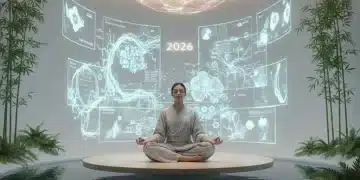
Mindful Movement 2026: Holistic Well-being Evolution
The 2026 evolution of mindful movement practices signifies a transformative shift towards integrating personalized technology and ancient wisdom, making them essential for achieving holistic well-being in the coming decade.
As we navigate the complexities of modern life, the role of mindful movement 2026 is rapidly expanding, offering profound avenues for holistic well-being. This article delves into expert insights on how these practices are evolving and their critical importance for the coming decade.
The Digital Integration of Mindful Movement
The year 2026 marks a significant turning point in how we engage with mindful movement. Digital integration is no longer a novelty but a fundamental aspect, making practices more accessible, personalized, and data-driven. This fusion allows individuals to tailor their experiences to an unprecedented degree, moving beyond generic routines.
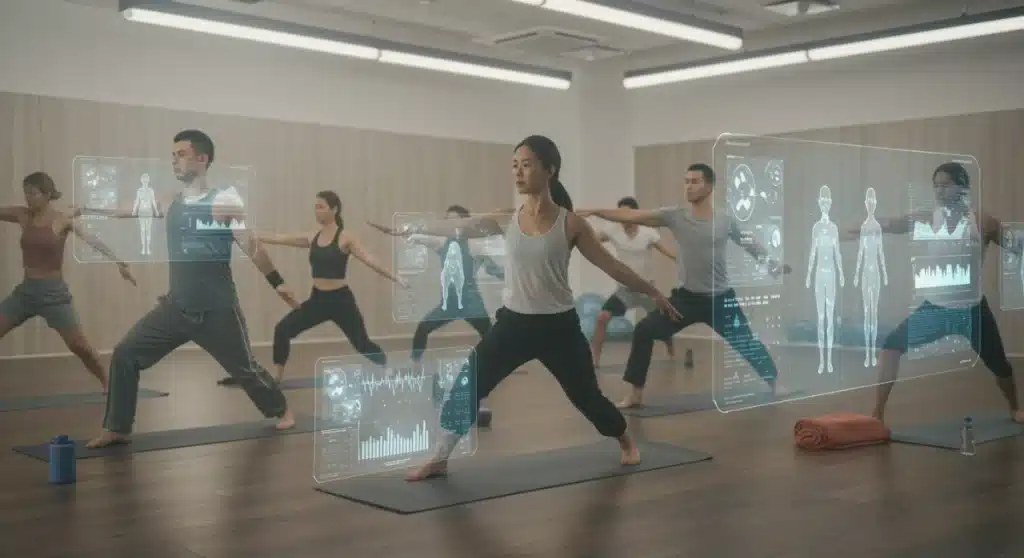
Advancements in wearable technology and AI are shaping how we perceive and practice mindful movement. These tools provide real-time feedback, enabling users to understand their physiological and psychological responses with greater precision. This data-driven approach fosters a deeper connection between mind and body, enhancing the effectiveness of each session.
Personalized Practice through AI and Wearables
AI algorithms are now capable of analyzing individual biometric data, movement patterns, and even mood indicators to suggest highly personalized mindful movement routines. This moves away from the ‘one-size-fits-all’ model, paving the way for truly bespoke wellness journeys.
- Adaptive Programs: AI adjusts routines based on daily stress levels, sleep quality, and physical condition.
- Biofeedback Integration: Wearables provide real-time heart rate variability, breath patterns, and muscle tension data.
- Virtual Coaching: AI-powered virtual coaches offer personalized guidance and motivation.
The digital revolution in mindful movement is not just about convenience; it’s about creating a more responsive and effective practice that evolves with the individual. This personalized approach maximizes benefits, making mindful movement a cornerstone of future health strategies.
The Evolution of Traditional Practices: Yoga and Tai Chi
Traditional mindful movement disciplines like yoga and Tai Chi are experiencing a renaissance, adapting to contemporary needs while retaining their core philosophies. In 2026, these ancient practices are being reinterpreted through a modern lens, emphasizing their scientific benefits and broader applicability.
No longer confined to niche studios, yoga and Tai Chi are being integrated into corporate wellness programs, educational curricula, and even healthcare settings. Their proven efficacy in stress reduction, flexibility, and mental clarity makes them invaluable tools for maintaining holistic well-being.
Hybrid Modalities and Specialized Applications
The emergence of hybrid modalities combines elements from various traditions, creating new forms of mindful movement that cater to diverse preferences and physical capabilities. These innovations are designed to make these practices more engaging and accessible to a wider audience.
- Neuro-Yoga: Integrates neuroscience principles to enhance cognitive function and emotional regulation.
- Adaptive Tai Chi: Modified forms for individuals with limited mobility or chronic conditions.
- Eco-Mindful Movement: Practices performed in nature, emphasizing connection to the environment.
The evolution of these traditional practices underscores their timeless relevance. By embracing innovation and specialization, yoga and Tai Chi continue to offer profound benefits, solidifying their role in promoting both physical and mental resilience in 2026 and beyond.
Mindful Movement for Mental Health and Stress Reduction
The mental health crisis of the early 21st century has propelled mindful movement to the forefront of therapeutic interventions. In 2026, its role in managing stress, anxiety, and depression is more recognized and validated than ever before, moving beyond complementary therapy to an essential component of mental wellness. The scientific community increasingly acknowledges the profound mind-body connection that these practices cultivate.
Programs specifically designed for mental health support are now widely available, integrating mindful movement with cognitive behavioral techniques and other psychological approaches. This holistic strategy addresses the interconnectedness of physical posture, breath, and emotional states, offering a powerful pathway to emotional regulation and mental clarity.
Integrating Movement with Cognitive Strategies
The synergy between mindful movement and cognitive strategies is proving to be incredibly effective. By combining physical awareness with targeted mental exercises, individuals can develop stronger coping mechanisms and a greater sense of inner peace. This integrated approach is particularly beneficial for those navigating high-stress environments.
- Somatic Experiencing: Uses body awareness to release trauma and emotional tension.
- Breathwork for Anxiety: Specific breathing techniques to calm the nervous system.
- Movement-Based CBT: Incorporates physical activity into cognitive behavioral therapy sessions.
As we move further into the decade, the emphasis on preventative mental health strategies continues to grow. Mindful movement practices, with their inherent ability to foster self-awareness and emotional resilience, are becoming indispensable tools in this critical area of holistic well-being.
The Role of Mindful Movement in Corporate Wellness
Recognizing the undeniable link between employee well-being and productivity, corporations in 2026 are heavily investing in mindful movement programs. These initiatives are no longer considered perks but essential components of a thriving workplace culture, aiming to mitigate burnout, enhance focus, and improve overall employee satisfaction.
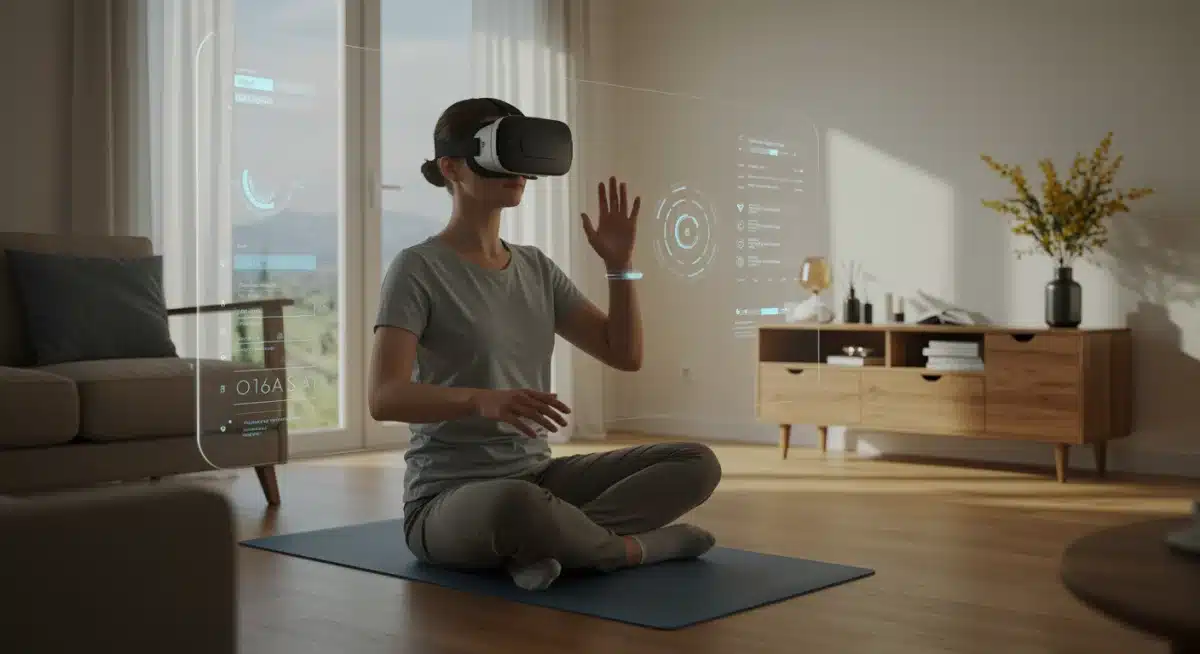
From virtual reality meditation rooms to on-site yoga studios, companies are providing diverse opportunities for employees to integrate mindful movement into their workday. The focus is on creating environments that support both physical and mental health, ultimately leading to a more engaged and resilient workforce.
Designing Employee-Centric Wellness Programs
Successful corporate wellness programs are characterized by their adaptability and inclusivity. They cater to a wide range of needs and preferences, ensuring that every employee can find a mindful movement practice that resonates with them. This customization is key to sustained engagement and long-term benefits.
- Flexible Schedules: On-demand virtual classes and short micro-movement breaks throughout the day.
- Ergonomic Movement: Workshops focusing on posture and movement to prevent workplace injuries.
- Mindful Leadership Training: Integrating mindful principles into leadership development programs.
The integration of mindful movement into corporate wellness strategies in 2026 reflects a deeper understanding of human capital. By prioritizing the holistic well-being of their employees, organizations are not only fostering a healthier workforce but also building a more sustainable and innovative business model.
Mindful Movement for Physical Rehabilitation and Longevity
Beyond general well-being, mindful movement is increasingly recognized for its therapeutic applications in physical rehabilitation and its contribution to healthy aging. In 2026, these practices are integral to recovery protocols and preventative care, helping individuals regain function, manage chronic pain, and extend their active years.
Specialized programs combine gentle movements with focused breathing and mindfulness to aid in post-injury recovery, improve balance, and enhance joint mobility. This approach addresses the physical symptoms while also supporting the psychological aspects of healing and long-term health maintenance.
Advanced Applications in Therapy and Preventative Care
The precision and adaptability of mindful movement make it an ideal modality for various therapeutic contexts. From neurological conditions to musculoskeletal disorders, practitioners are leveraging these techniques to facilitate recovery and improve quality of life. The emphasis is on gentle, controlled movements that respect the body’s natural healing processes.
- Neuro-Rehabilitation: Mindful movement to improve motor control and coordination in neurological patients.
- Osteoporosis Prevention: Weight-bearing mindful practices to strengthen bones and improve balance.
- Chronic Pain Management: Techniques to reduce pain perception and improve functional movement.
The continued research into the physiological benefits of mindful movement solidifies its position as a powerful tool for physical rehabilitation and promoting longevity. Its ability to foster body awareness and gentle strength makes it invaluable for individuals seeking to maintain vitality throughout their lives.
Future Trends: Immersive Experiences and Community Building
Looking ahead, the landscape of mindful movement in 2026 is also characterized by emerging trends focused on immersive experiences and strengthening community bonds. Technology is playing a pivotal role in creating deeply engaging environments, while the human desire for connection is driving the formation of supportive wellness communities.
Virtual and augmented reality platforms are offering unprecedented opportunities to practice mindful movement in visually stunning and interactive settings, transporting users to serene landscapes or guided meditations. Simultaneously, local and global communities are forming around shared practices, fostering a sense of belonging and collective well-being.
Virtual and Augmented Reality for Enhanced Practice
Immersive technologies are transforming the mindful movement experience, making it more engaging and accessible. These platforms allow users to customize their practice environments, receive personalized feedback, and connect with instructors and peers from anywhere in the world.
- VR Meditation Pods: Fully immersive digital environments for deep relaxation and focus.
- AR-Guided Workouts: Augmented reality overlays providing real-time form correction and instruction.
- Global Practice Groups: Virtual spaces for synchronous mindful movement sessions with participants worldwide.
The combination of cutting-edge technology and a renewed focus on community is setting the stage for an exciting future in mindful movement. These trends promise to make these practices even more impactful, fostering deeper personal growth and collective well-being in the years to come.
| Key Aspect | Description of Evolution |
|---|---|
| Digital Integration | AI and wearables offer personalized, data-driven mindful movement experiences. |
| Traditional Adaptations | Yoga and Tai Chi evolve into hybrid, specialized forms for broader accessibility. |
| Mental Health Focus | Mindful movement is crucial for stress reduction and emotional regulation. |
| Immersive Experiences | VR/AR enhance practice, fostering global community and engagement. |
Frequently asked questions about mindful movement in 2026
Technology, including AI and wearables, provides personalized feedback, adapts routines based on biometric data, and offers virtual coaching. This integration makes practices more effective, accessible, and tailored to individual needs, moving beyond traditional, generalized approaches for optimal well-being.
Mindful movement is increasingly vital for mental health, helping to manage stress, anxiety, and depression. It fosters emotional regulation, enhances self-awareness, and provides a powerful mind-body connection, making it an essential component of preventative mental wellness strategies as recognized by experts.
Traditional practices are evolving through hybrid modalities like Neuro-Yoga and Adaptive Tai Chi. They integrate scientific principles and are tailored for specialized applications, making them more accessible and relevant to a broader audience, including corporate and therapeutic settings, while retaining their core benefits.
Corporations are integrating mindful movement to combat burnout, improve focus, and boost employee satisfaction. These programs are recognized as crucial for fostering a resilient and engaged workforce, providing flexible and inclusive options from VR meditation to ergonomic movement workshops, enhancing overall productivity and well-being.
Future trends include deeply immersive experiences via virtual and augmented reality, offering personalized and interactive practice environments. Additionally, there’s a strong emphasis on community building, fostering global connections and shared wellness journeys, enhancing both individual growth and collective well-being.
Conclusion
The trajectory of mindful movement practices in 2026 reveals a dynamic evolution, moving beyond traditional boundaries to embrace technological innovation, personalized approaches, and a deeper integration into various facets of life. From enhancing mental health to supporting corporate wellness and physical rehabilitation, these practices are undeniably central to fostering holistic well-being for the next decade. As we continue to navigate a rapidly changing world, the emphasis on conscious movement, supported by expert insights and cutting-edge tools, will be paramount in cultivating resilience, balance, and a profound connection between mind and body.