Sustainable Simplicity: Eco-Conscious Zen Living in America
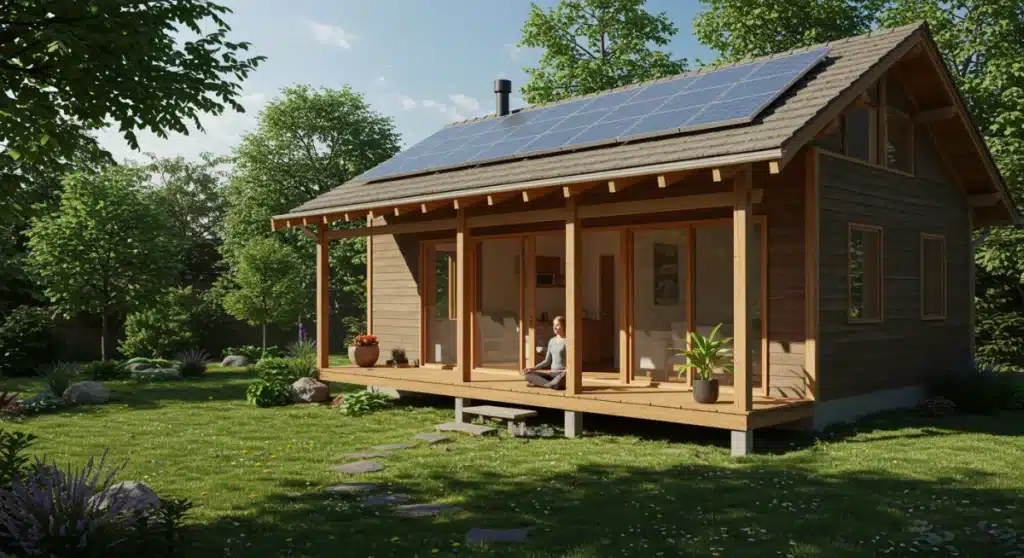
Embracing sustainable simplicity in the current American landscape involves making deliberate eco-conscious choices that cultivate inner peace, reduce environmental impact, and foster a more mindful, zen-filled existence.
In an increasingly complex and consumption-driven world, the pursuit of inner peace often feels like an uphill battle. However, by embracing sustainable simplicity zen living, individuals in the American landscape can find profound tranquility and contribute positively to the planet. This article explores how eco-conscious choices can lead to a more balanced, mindful, and ultimately, zen way of life.
Reclaiming Your Space: Decluttering for a Clear Mind and Planet
The concept of decluttering goes far beyond merely tidying up; it’s a powerful practice that can profoundly impact both our mental well-being and environmental footprint. In the American context, where consumerism often dictates lifestyle, consciously choosing to reduce possessions is a radical act of sustainable simplicity.
A cluttered physical space frequently mirrors a cluttered mind, leading to stress and reduced focus. By systematically removing unnecessary items, we create an environment that promotes calm and clarity. This process also forces us to confront our consumption habits and consider the lifecycle of the products we bring into our homes.
The Psychology of Less
Understanding why we accumulate so much is the first step toward effective decluttering. Often, it’s tied to societal pressures, emotional attachments, or the illusion that more possessions equate to more happiness. By shifting our perspective, we can find liberation in owning less.
- Reduced Decision Fatigue: Fewer items mean fewer choices to make daily, freeing up mental energy.
- Increased Appreciation: When you own fewer things, you tend to value each item more deeply.
- Greater Freedom: Less to organize, clean, and maintain translates to more time for meaningful activities.
Eco-Conscious Disposal Methods
Decluttering isn’t just about removing items; it’s crucially about responsible disposal. Simply throwing things away contributes to landfills. Sustainable simplicity encourages thoughtful redistribution and recycling.
Consider donating gently used items to local charities, thrift stores, or community centers. Many organizations specifically seek clothing, furniture, and household goods to support those in need. For items that are no longer usable, explore recycling options beyond the curb. Electronics, textiles, and hazardous waste often require specialized disposal channels to prevent environmental contamination.
Ultimately, reclaiming your space through mindful decluttering fosters a sense of control and peace. It aligns your living environment with your values, reducing both mental and environmental burdens, paving the way for a truly zen existence.
Mindful Consumption: Prioritizing Needs Over Wants
In the bustling American consumer landscape, the distinction between needs and wants has become increasingly blurred. Mindful consumption, a cornerstone of sustainable simplicity, involves consciously evaluating our purchasing decisions to prioritize genuine needs, reduce waste, and support ethical production. This approach not only benefits the planet but also cultivates a deeper sense of contentment and purpose in our daily lives.
By adopting a mindset of intentional buying, we move away from impulse purchases and toward thoughtful acquisitions. This shift encourages us to consider the environmental and social impact of each item, from its origin to its end-of-life.
The ‘Buy Less, Choose Well’ Philosophy
This simple yet profound philosophy guides mindful consumption. It encourages investing in high-quality, durable items that will last, rather than frequently replacing cheap, disposable goods. This reduces waste and often saves money in the long run.
- Research Products: Investigate brands’ sustainability practices, ethical sourcing, and product durability before buying.
- Consider Multi-Purpose Items: Opt for products that serve several functions, reducing the need for multiple single-use items.
- Support Local and Small Businesses: Often, these businesses have a smaller carbon footprint and a stronger commitment to community.
Reducing Food Waste and Embracing Local
Food consumption is a significant area where mindful choices can have a substantial impact. The amount of food waste generated in the US is staggering, contributing to greenhouse gas emissions and resource depletion. Embracing local food systems also strengthens communities and reduces the carbon footprint associated with transportation.
Planning meals, utilizing leftovers, composting food scraps, and understanding expiration dates are practical steps toward reducing food waste. Furthermore, supporting local farmers’ markets and community-supported agriculture (CSA) programs not only provides fresher, seasonal produce but also fosters a direct connection to where our food comes from, enhancing appreciation and mindfulness around eating.
Mindful consumption is a continuous journey of self-awareness and intentional action. It’s about aligning our purchasing power with our values, fostering a sense of responsibility and connection to the larger world, thereby creating a more sustainable and peaceful personal existence.
Connecting with Nature: Cultivating Outdoor Zen Spaces
In the modern American landscape, where urban sprawl and digital screens often dominate, intentionally connecting with nature is a powerful pathway to sustainable simplicity and zen living. Creating and utilizing outdoor spaces, even small ones, can offer a vital refuge for reflection, rejuvenation, and a deeper appreciation for the natural world. This connection helps ground us, reducing stress and fostering a sense of belonging to something larger than ourselves.
Whether it’s a sprawling backyard or a modest balcony, transforming an outdoor area into a personal sanctuary encourages daily interaction with elements that promote peace and mindfulness. It’s about bringing the principles of zen into our immediate environment.
Designing Your Eco-Friendly Outdoor Sanctuary
Thoughtful design can maximize the ecological benefits and aesthetic appeal of your outdoor space. Focus on native plants, water conservation, and creating comfortable spots for contemplation.
- Native Plant Landscaping: Choose plants indigenous to your region to support local ecosystems, reduce water usage, and minimize the need for pesticides.
- Rainwater Harvesting: Install a rain barrel to collect water for irrigation, reducing reliance on municipal water sources.
- Mindful Seating Areas: Place benches or cushions in quiet, shaded spots where you can sit, observe nature, and practice mindfulness.
The Benefits of Green Spaces for Well-being
Scientific research consistently highlights the positive impact of green spaces on mental and physical health. Even short periods spent in nature can lower stress hormones, improve mood, and enhance cognitive function. Integrating these experiences into a daily routine is fundamental to sustainable simplicity.
Consider activities such as mindful gardening, which connects you directly to the life cycle of plants, or simply sitting quietly and observing the sounds and sights of your garden. These practices foster a sense of presence and gratitude, essential components of a zen lifestyle. Engaging with nature in this way reminds us of our interconnectedness and encourages a more holistic approach to well-being.
Cultivating outdoor zen spaces is an investment in both personal peace and planetary health. It’s a tangible way to live out the principles of sustainable simplicity, bringing the calming, restorative power of nature into your everyday life.
Embracing Sustainable Energy: Powering a Mindful Home
The way we power our homes in the American landscape directly impacts our planet and, by extension, our peace of mind. Embracing sustainable energy sources is a critical component of sustainable simplicity, allowing us to reduce our carbon footprint, lower utility costs, and live in greater harmony with environmental principles. This shift towards cleaner energy empowers individuals to make a tangible difference, fostering a sense of responsibility and contributing to a more sustainable future.
Transitioning to sustainable energy doesn’t always require a complete overhaul; often, it begins with small, incremental changes that collectively have a significant impact. It’s about conscious choices in how we consume and generate power.
Solar Power: A Ray of Hope for Your Home
Solar energy has become increasingly accessible and affordable, making it a viable option for many American homeowners. Installing solar panels can dramatically reduce reliance on fossil fuels and significantly lower electricity bills.

Beyond rooftop installations, consider smaller-scale solar solutions for outdoor lighting or even portable chargers. These entry points allow for experimentation and a gradual transition to more comprehensive solar integration. The psychological benefit of knowing your home is powered by clean, renewable energy contributes immensely to a zen state of mind.
Energy Efficiency: The Silent Power Saver
Even without installing solar panels, optimizing energy efficiency within the home is a powerful act of sustainable simplicity. Reducing overall energy consumption lessens demand on power grids and minimizes environmental impact.
- LED Lighting: Replace traditional incandescent bulbs with energy-efficient LEDs, which last longer and consume significantly less electricity.
- Smart Thermostats: Utilize programmable or smart thermostats to optimize heating and cooling, reducing energy waste when you’re away or asleep.
- Appliance Upgrades: When replacing appliances, choose ENERGY STAR certified models, which are designed for superior energy efficiency.
Embracing sustainable energy is more than just a technological upgrade; it’s a conscious decision to align your daily living with ecological responsibility. It’s a powerful step towards creating a home that not only functions efficiently but also reflects a commitment to a peaceful, sustainable future, embodying the essence of sustainable simplicity zen living.
Water Conservation: A Mindful Approach to a Precious Resource
Water, often taken for granted in many parts of the American landscape, is a finite and precious resource. Adopting mindful water conservation practices is an essential element of sustainable simplicity, reflecting a deep respect for natural systems and contributing to long-term ecological balance. By consciously managing our water usage, we not only protect this vital resource but also foster a more deliberate and responsible lifestyle, which aligns perfectly with the principles of zen living.
Every drop counts, and small changes in daily habits can collectively lead to substantial water savings. This awareness encourages a more present and appreciative interaction with our environment.
Simple Habits for Significant Savings
Integrating water-saving habits into your daily routine is straightforward and impactful. These practices often require minimal effort but yield considerable results in preserving water and reducing utility bills.
- Shorter Showers: Aim to reduce shower times by a few minutes; consider installing low-flow showerheads.
- Turn Off the Tap: Don’t let water run while brushing teeth, shaving, or washing dishes by hand.
- Full Loads: Only run dishwashers and washing machines when they are completely full.
Landscaping and Outdoor Water Efficiency
Outdoor water use, particularly for landscaping, accounts for a significant portion of residential water consumption. Designing and maintaining an efficient outdoor space is crucial for comprehensive water conservation.
Implementing drought-tolerant landscaping, also known as xeriscaping, can drastically reduce the need for irrigation. This involves choosing native plants that are adapted to your local climate and require less water. Additionally, consider drip irrigation systems, which deliver water directly to plant roots, minimizing evaporation and runoff. Watering during cooler times of the day, such as early morning, also helps reduce water loss. These mindful approaches to outdoor water management not only conserve resources but also create a more resilient and sustainable landscape, embodying a practical aspect of sustainable simplicity.
Embracing water conservation is a testament to mindful living. It’s about recognizing our role as stewards of the environment and making choices that ensure the availability of this essential resource for future generations, thereby deepening our connection to the planet and enhancing our personal zen.
Sustainable Transportation: Moving Consciously in America
In the vast and often car-centric American landscape, sustainable transportation choices are paramount for reducing our carbon footprint, promoting healthier lifestyles, and embracing sustainable simplicity. Moving consciously means considering the environmental impact of our journeys and opting for modes of transport that align with our values of ecological responsibility and personal well-being. This shift not only benefits the planet but also offers opportunities for mindfulness and physical activity, contributing to a more zen existence.
Re-evaluating our transportation habits can lead to surprising discoveries about efficiency, convenience, and even enjoyment. It’s about finding alternatives that serve our needs without compromising our commitment to sustainability.
Embracing Alternative Commutes
For many, the daily commute is a significant source of emissions. Exploring alternatives to single-occupancy vehicle use can dramatically reduce environmental impact and often provide unexpected benefits, such as reduced stress and increased physical activity.
- Public Transportation: Utilize buses, trains, or subways when available. This reduces traffic congestion and emissions.
- Biking and Walking: For shorter distances, cycling or walking offers health benefits, saves money on fuel, and produces zero emissions.
- Car Sharing and Carpooling: Share rides with colleagues or friends, or join car-sharing services to reduce the number of vehicles on the road.
The Rise of Electric Vehicles and Mindful Travel
The increasing availability and improving technology of electric vehicles (EVs) present a significant opportunity for sustainable transportation. Investing in an EV, or even a hybrid, can substantially lower your personal emissions profile.
Beyond daily commutes, consider the environmental impact of longer trips. Opt for train travel over short-haul flights when feasible, as trains generally have a lower carbon footprint per passenger mile. When flying, consider airlines that invest in sustainable aviation fuels or carbon offset programs. Mindful travel extends to how we explore, encouraging us to choose destinations and activities that respect local environments and cultures. This holistic approach to movement strengthens our commitment to sustainable simplicity and reinforces a zen way of life.
Sustainable transportation is a dynamic area where personal choices can lead to collective change. By moving consciously, we contribute to cleaner air, healthier communities, and a more sustainable future, aligning our journeys with the principles of sustainable simplicity zen living.
| Eco-Conscious Choice | Impact on Zen Living |
|---|---|
| Decluttering | Reduces mental clutter, creates peaceful spaces, and minimizes waste. |
| Mindful Consumption | Fosters appreciation, reduces stress from excessive buying, supports ethics. |
| Nature Connection | Grounds the mind, reduces stress, enhances appreciation for life. |
| Sustainable Energy | Reduces environmental guilt, lowers bills, promotes a sense of responsibility. |
Frequently Asked Questions About Sustainable Simplicity
Sustainable simplicity in America refers to consciously integrating eco-friendly practices with a minimalist lifestyle. It emphasizes reducing consumption, minimizing waste, and making environmentally responsible choices to foster inner peace and a lower ecological footprint within the unique American consumer culture.
Mindful consumption fosters zen living by encouraging deliberate choices that align with personal values. It reduces the stress of excessive materialism, promotes gratitude for what one has, and creates a sense of purpose by supporting ethical and sustainable practices, leading to greater contentment.
Absolutely. While systemic change is crucial, individual sustainable choices collectively create significant impact. Each decision to reduce waste, conserve resources, or choose eco-friendly options contributes to a larger movement, inspiring others and demonstrating demand for sustainable products and policies.
Start by spending at least 15-30 minutes daily outdoors, even in a local park or your backyard. Practice mindful walking, observe natural elements like trees and birds, or try gentle gardening. Disconnecting from screens and fully immersing yourself in natural surroundings can quickly cultivate a sense of calm.
Not at all. While rooftop solar panels are a significant investment, sustainable energy also includes simpler actions like using LED bulbs, unplugging electronics, or utilizing smart thermostats. Many utilities also offer green energy programs, allowing renters or those with smaller budgets to support renewables.
Conclusion
Embracing sustainable simplicity in the American landscape is more than just a trend; it’s a conscious commitment to a life of greater purpose, peace, and ecological harmony. By making deliberate choices in how we consume, connect with nature, and power our homes and travel, we not only reduce our environmental footprint but also cultivate a profound sense of inner calm. The journey towards sustainable simplicity and zen living is a continuous one, empowering individuals to create a future that is both personally fulfilling and globally responsible.