Achieving Inner Serenity: Zen Living Strategies for 2025
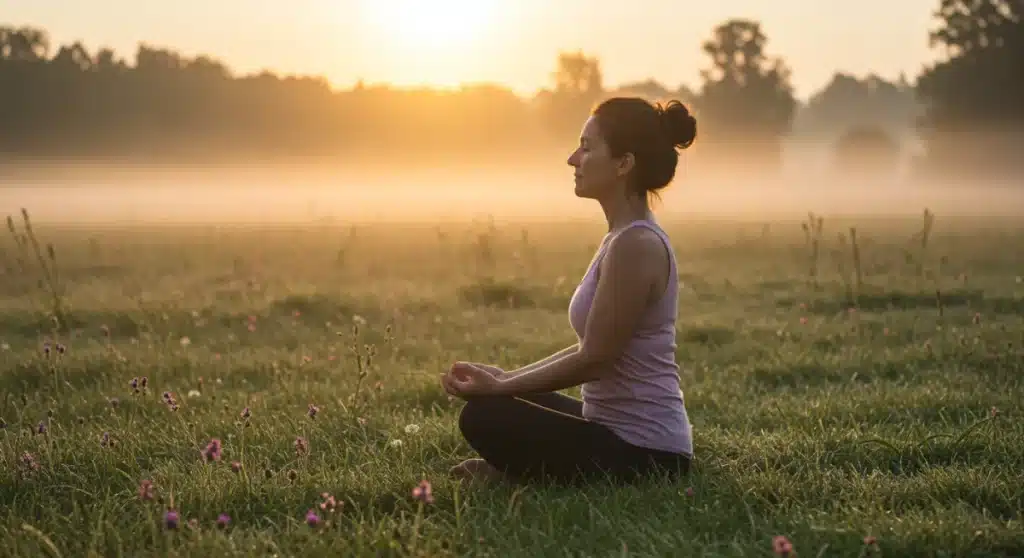
Achieving inner serenity through expert-backed zen living strategies in 2025 involves integrating mindfulness, intentional practices, and a balanced lifestyle to foster lasting peace and well-being amidst daily challenges.
In a world that constantly demands our attention and energy, finding a path to inner peace can often feel like an elusive quest. However, embracing the principles of zen living offers a powerful framework for cultivating tranquility and balance. This year, focusing on zen living strategies can profoundly transform your daily experience, guiding you towards a more centered and fulfilling life.
Understanding the essence of zen living
Zen living is more than just a trend; it’s a profound philosophy rooted in mindfulness, simplicity, and presence. It encourages us to strip away the unnecessary, focus on the present moment, and find beauty in the everyday. This approach isn’t about rigid rules but rather about cultivating an awareness that allows for greater peace and less stress.
The core of zen living lies in understanding that true contentment comes from within, not from external possessions or achievements. It’s about recognizing the interconnectedness of all things and living in harmony with oneself and the environment. By embracing these principles, we can navigate life’s complexities with a calm and steady mind.
The historical roots of zen
Zen Buddhism, originating in China as Chan Buddhism before spreading to Japan, emphasizes meditation and intuition over scripture and ritual. Its teachings highlight direct experience and enlightenment through practices like zazen (seated meditation). These ancient roots provide a rich foundation for modern zen living.
- Mindfulness: Paying full attention to the present moment without judgment.
- Simplicity: Decluttering both physical space and mental landscape.
- Acceptance: Embracing life as it is, rather than resisting change.
Zen in modern life
Adapting zen principles to our contemporary, fast-paced lives doesn’t mean retreating to a monastery. Instead, it involves integrating small, intentional practices into our routines. This could be as simple as savoring a cup of tea, taking a mindful walk, or consciously disconnecting from digital distractions. The goal is to create pockets of peace throughout the day, fostering a sustained sense of calm.
Ultimately, understanding the essence of zen living is the first step towards embracing a lifestyle that prioritizes inner peace and mindful existence. It’s about choosing presence over distraction, simplicity over complexity, and acceptance over resistance, setting the stage for a truly serene life in 2025.
Cultivating mindful presence through daily rituals
Mindful presence is the cornerstone of zen living, allowing us to fully engage with each moment rather than being swept away by thoughts of the past or future. Daily rituals are powerful tools for cultivating this presence, grounding us and bringing a sense of sacredness to ordinary activities. These practices don’t require large blocks of time; even a few minutes dedicated to conscious engagement can make a significant difference.
By transforming routine tasks into intentional acts, we shift our perspective from autopilot to active participation. This not only enhances our experience of the moment but also reduces the mental clutter that often leads to stress and anxiety. The key is consistency and a genuine desire to be fully present.
Morning mindfulness practices
Starting your day with mindfulness sets a positive tone for the hours ahead. Instead of immediately reaching for your phone, consider a few moments of quiet reflection. This could involve focused breathing, a short meditation, or simply observing your surroundings without judgment.
- Mindful breathing: Take five deep, conscious breaths, noticing the sensation of air entering and leaving your body.
- Gratitude practice: Identify three things you are grateful for before getting out of bed.
- Conscious hydration: Slowly drink a glass of water, feeling its refreshing qualities.
Evening reflection and release
Just as a mindful start is crucial, a mindful end to your day helps to process experiences and prepare for restful sleep. This involves releasing the day’s tensions and practicing self-compassion. A brief journaling session or a gentle stretching routine can be highly effective.
Engaging in these daily rituals helps to build a stronger connection to your inner self and to the present moment. Over time, these practices become second nature, weaving a tapestry of mindful presence throughout your life, which is essential for achieving inner serenity.
Embracing simplicity: decluttering your life and mind
In our consumer-driven society, the concept of embracing simplicity often feels counter-cultural. However, decluttering not only our physical spaces but also our mental landscapes is a fundamental zen living strategy. Less clutter means less distraction, less maintenance, and more mental space for what truly matters. This process is liberating, allowing us to identify and shed what no longer serves us.
Simplicity isn’t about deprivation; it’s about intentional living. It’s about making conscious choices regarding what we bring into our lives, both materially and mentally. When we simplify, we create an environment that supports calm, focus, and clarity, which are vital components of inner serenity.
Physical decluttering for mental clarity
Our external environment significantly impacts our internal state. A cluttered home often mirrors a cluttered mind. The act of decluttering physical possessions can be surprisingly therapeutic, providing a tangible sense of control and order.
- One-in, one-out rule: For every new item brought into the home, one old item must be removed.
- Categorical decluttering: Focus on one category at a time (e.g., clothes, books) to avoid overwhelm.
- Digital detox: Organize digital files, unsubscribe from unnecessary emails, and limit screen time.
Mental decluttering techniques
Beyond physical items, our minds can also accumulate significant clutter in the form of worries, unnecessary commitments, and negative thought patterns. Mental decluttering is about identifying and releasing these burdens, creating space for peace.
One effective technique is regular journaling, which allows you to externalize thoughts and gain perspective. Another is setting clear boundaries, both with others and with your own time, to protect your mental energy from being drained by excessive demands. By simplifying both your external and internal worlds, you pave the way for a deeper sense of tranquility and a more meaningful existence.
Connecting with nature for inner peace
The natural world offers a profound wellspring of peace and rejuvenation, a truth recognized and integrated into zen philosophy for centuries. Spending time in nature, often referred to as “forest bathing” or “shinrin-yoku,” has been scientifically proven to reduce stress hormones, improve mood, and enhance cognitive function. This connection is not merely about being outdoors; it’s about conscious engagement with the environment around us.
In our increasingly urbanized and digital lives, re-establishing this connection is more vital than ever. Nature provides a sense of perspective, reminding us of our place within a larger, interconnected ecosystem. It offers a gentle rhythm that contrasts sharply with the frantic pace of modern life, helping to recalibrate our internal state.
Benefits of nature immersion
Regular exposure to natural environments yields a multitude of benefits that directly support inner serenity. These benefits extend beyond simple relaxation, impacting our physical and mental health in significant ways.
- Stress reduction: Lower cortisol levels and decreased anxiety.
- Improved mood: Increased feelings of happiness and well-being.
- Enhanced focus: Better concentration and reduced mental fatigue.
- Physical health: Lower blood pressure and improved immune function.
Practical ways to connect with nature
Integrating nature into your routine doesn’t require a wilderness expedition. Even small, consistent interactions can be highly effective. The key is intentionality and making the most of available natural spaces.
Consider taking a short walk in a local park, tending to a small garden, or simply sitting by a window and observing the weather and passing clouds. Bringing natural elements indoors, such as plants or natural light, can also contribute to a more calming environment. By actively seeking out and appreciating nature, we tap into an ancient source of peace that is readily available to all, fostering a deeper sense of calm and well-being.
Practicing gratitude and compassion
Gratitude and compassion are not just pleasant emotions; they are powerful practices that can fundamentally shift our perspective and enhance our inner serenity. Cultivating these qualities involves consciously acknowledging the good in our lives and extending kindness towards ourselves and others. This shift from scarcity to abundance, and from judgment to understanding, is a cornerstone of zen living, fostering a more positive and interconnected existence.
When we practice gratitude, we train our minds to notice the positive aspects of our experiences, even amidst challenges. Compassion, on the other hand, helps us to connect with our shared humanity, reducing feelings of isolation and promoting empathy. Together, these practices create a fertile ground for inner peace and emotional resilience.
The power of gratitude journaling
One of the most effective ways to cultivate gratitude is through journaling. Regularly writing down things you are thankful for can rewire your brain to focus on the positive, leading to increased happiness and reduced stress.
- Daily reflection: Dedicate a few minutes each day to list specific things you are grateful for.
- Beyond the obvious: Look for gratitude in small, everyday moments, not just major events.
- Expressing thanks: Consider expressing your gratitude directly to others when appropriate.
Cultivating self-compassion and empathy
Compassion begins with ourselves. Self-compassion involves treating ourselves with the same kindness and understanding we would offer a dear friend. This is particularly important during times of struggle or perceived failure. Once we can extend compassion to ourselves, it becomes easier to extend it to others.
Empathy, the ability to understand and share the feelings of another, strengthens our connections and reduces conflict. Practices like loving-kindness meditation, where you direct well wishes towards yourself, loved ones, neutral parties, and even those with whom you have difficulty, can significantly enhance both self-compassion and empathy. By integrating gratitude and compassion into our daily lives, we build a foundation of positive emotions that supports lasting inner serenity and a more harmonious existence.
Mindful movement and body awareness
Our bodies are not separate from our minds; they are intricately connected, and mindful movement is a powerful way to bridge this connection. In zen living, physical activity is not just about exercise but about cultivating body awareness and grounding ourselves in the present moment through movement. Practices like yoga, tai chi, or even a conscious walk can become moving meditations, enhancing both physical well-being and mental clarity.
By tuning into the sensations of our bodies as we move, we can release tension, improve flexibility, and foster a deeper appreciation for our physical form. This mindful approach transforms exercise from a chore into an opportunity for self-discovery and inner peace.
Yoga and tai chi for balance
Yoga and tai chi are ancient practices renowned for their ability to integrate mind, body, and spirit. They combine physical postures, breathing techniques, and meditation, making them ideal for cultivating mindful movement.
- Yoga: Improves flexibility, strength, and balance while promoting mental calm.
- Tai chi: Gentle, flowing movements that enhance circulation, reduce stress, and improve coordination.
- Pranayama: Breathing exercises that regulate energy and calm the nervous system.
Everyday mindful movement
Mindful movement isn’t limited to formal practices. You can bring awareness to any physical activity throughout your day. Whether you’re walking, cleaning, or even reaching for an object, consciously engaging with the sensations of your body can transform these mundane tasks into moments of presence.
Pay attention to your posture, the rhythm of your breath, and the way your muscles engage. This continuous practice of body awareness helps to keep you grounded and present, reducing the tendency for your mind to wander into anxious or unproductive thoughts. By honoring your body through mindful movement, you strengthen the mind-body connection, contributing significantly to your overall inner serenity.
The art of intentional rest and renewal
In a culture that often glorifies constant productivity, the art of intentional rest and renewal is frequently overlooked, yet it is absolutely crucial for achieving inner serenity. Zen living emphasizes the importance of balance, and true balance includes adequate, restorative rest. This isn’t just about sleeping; it’s about actively carving out time for activities that genuinely replenish your energy and soothe your spirit.
Without intentional rest, our well-being suffers, leading to burnout, reduced focus, and increased stress. Prioritizing renewal allows us to show up more fully in all aspects of our lives, from personal relationships to professional endeavors. It’s an investment in our long-term health and happiness.
Prioritizing quality sleep
Sleep is the foundation of all renewal. Quality sleep allows our bodies and minds to repair, consolidate memories, and process emotions. Establishing a consistent sleep routine is a non-negotiable aspect of intentional rest.
- Consistent schedule: Go to bed and wake up at the same time each day, even on weekends.
- Comfortable environment: Ensure your bedroom is dark, quiet, and cool.
- Pre-sleep routine: Wind down with relaxing activities like reading or a warm bath.
Engaging in restorative activities
Beyond sleep, intentional rest includes engaging in activities that bring you joy and peace, without the pressure of productivity. These are the moments where you allow yourself to simply ‘be.’
This could involve hobbies like painting, listening to music, spending time with loved ones, or simply enjoying a quiet moment with a cup of tea. The key is to choose activities that truly rejuvenate you, rather than adding another item to your to-do list. By consciously making space for renewal, you protect your inner peace and maintain the energy needed to live a mindful, balanced life.
| Key Strategy | Brief Description |
|---|---|
| Mindful Presence | Cultivating full awareness of the present moment through daily rituals. |
| Embracing Simplicity | Decluttering physical and mental spaces for clarity and focus. |
| Connecting with Nature | Rejuvenating mind and body through intentional interaction with natural environments. |
| Intentional Rest | Prioritizing restorative sleep and activities for sustained well-being. |
Frequently asked questions about zen living
The core principle of zen living is mindfulness, which involves being fully present in each moment without judgment. It emphasizes simplicity, awareness, and finding peace within everyday activities rather than seeking external sources of happiness. This approach helps reduce stress and cultivate inner tranquility.
You can begin by incorporating small, mindful rituals into your daily routine. This could include conscious breathing exercises, a few minutes of silent reflection in the morning, or mindfully engaging in a routine task like drinking tea. The key is to pay full attention to the sensations and experience.
Yes, decluttering is highly important. A cluttered physical space often reflects or contributes to a cluttered mind. By simplifying your environment, you create more mental space, reduce distractions, and foster a sense of calm and order, which directly supports achieving inner peace and focus.
Connecting with nature offers numerous benefits, including reduced stress hormones, improved mood, enhanced cognitive function, and lower blood pressure. It provides a sense of grounding and perspective, helping to calm the nervous system and foster overall well-being, crucial for inner serenity.
Intentional rest is vital for renewal and preventing burnout. It involves prioritizing quality sleep and engaging in activities that genuinely replenish your energy, rather than just occupying time. This conscious effort to rest ensures you maintain physical and mental vitality, essential for sustaining inner peace and mindful living.
Conclusion
Achieving inner serenity in 2025 is not an unattainable ideal but a tangible goal made possible through the deliberate application of zen living strategies. By embracing mindful presence, simplifying our lives, connecting with the natural world, practicing gratitude and compassion, engaging in mindful movement, and prioritizing intentional rest, we cultivate a profound sense of peace and balance. These expert-backed approaches offer a holistic path to navigating the complexities of modern life with grace and calm, transforming our daily experiences into opportunities for deep, lasting tranquility.