Unlock Deeper Flexibility: PNF Stretching in Yoga for 15% Faster Gains
In the dynamic world of health and wellness, where optimizing physical performance and well-being is paramount, a groundbreaking trend is emerging for flexibility enthusiasts: the strategic integration of Proprioceptive Neuromuscular Facilitation (PNF) stretching into yoga practice. For years, both yoga and PNF stretching have been recognized as powerful tools for enhancing flexibility, but their combined synergy offers an unparalleled pathway to achieving deeper stretches and experiencing flexibility gains up to 15% faster. This comprehensive 2026 guide will delve into the science, techniques, and practical applications of combining PNF stretching with your yoga routine, offering a roadmap to a more flexible, resilient, and invigorated body.
The 2026 Guide to Integrating Proprioceptive Neuromuscular Facilitation (PNF) Stretching into Your Yoga Practice for 15% Faster Flexibility Gains
Flexibility is not merely about touching your toes; it’s about freedom of movement, injury prevention, improved posture, and enhanced athletic performance. While traditional yoga offers a holistic approach to flexibility, strength, and mindfulness, PNF stretching provides a targeted, scientifically-backed method to rapidly increase range of motion. The fusion of these two disciplines creates a powerful methodology that can redefine your understanding and experience of flexibility. This article will explore the ‘why’ and ‘how’ of PNF stretching yoga, equipping you with the knowledge to safely and effectively integrate these advanced techniques into your personal practice.
Understanding PNF Stretching: The Science Behind Rapid Flexibility
Before we explore the integration, let’s understand what PNF stretching is and why it’s so effective. PNF stretching is a highly effective form of flexibility training that involves a combination of stretching and contracting the targeted muscle group. It was initially developed as a rehabilitative technique for patients with neuromuscular conditions, but its efficacy in increasing range of motion quickly made it popular among athletes and fitness enthusiasts. The core principle of PNF stretching yoga lies in exploiting the body’s natural reflexes to achieve a deeper stretch than traditional static stretching.
The Physiological Basis of PNF
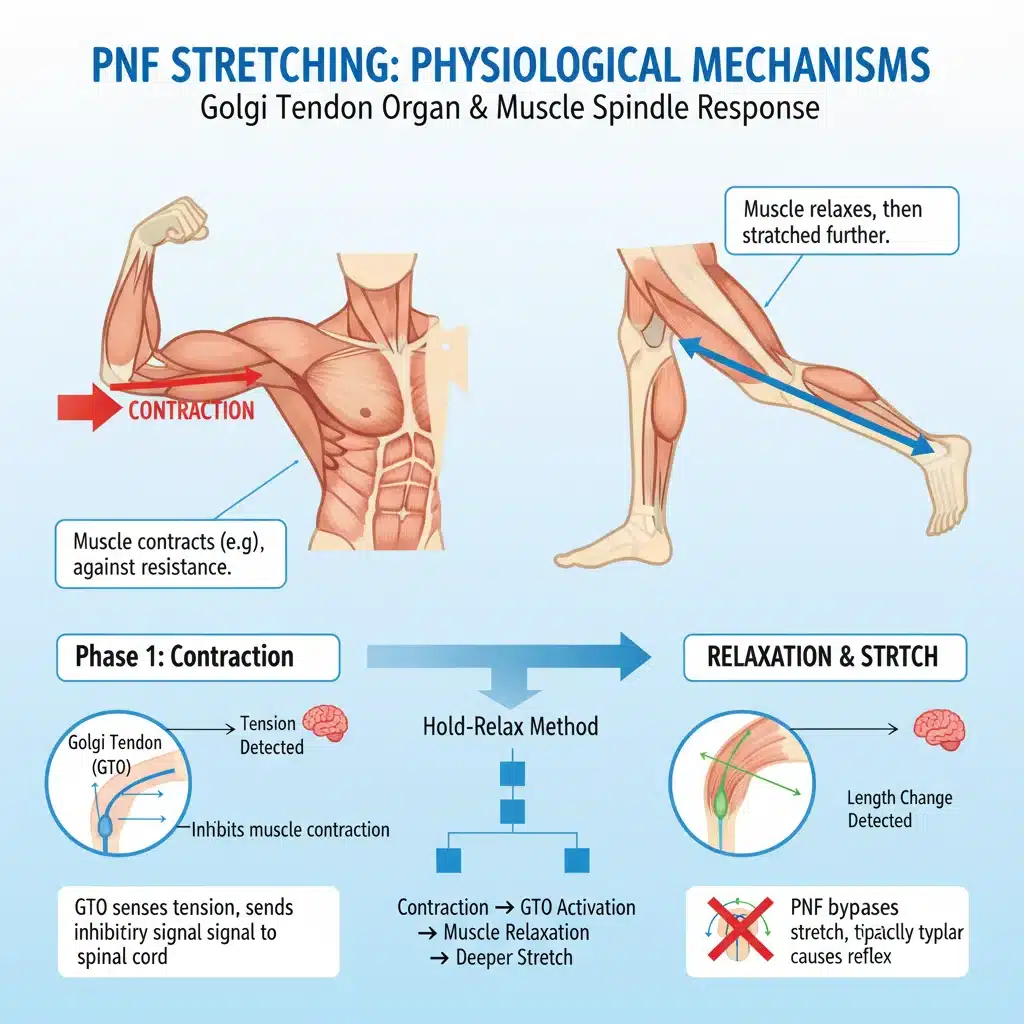
At the heart of PNF’s effectiveness are two key neurological mechanisms: the stretch reflex and autogenic inhibition. When a muscle is stretched, sensory receptors called muscle spindles detect the change in length and rate of change, triggering a protective reflex that causes the muscle to contract to prevent overstretching. This is the stretch reflex, and it’s why static stretching can sometimes feel restrictive.
PNF stretching, however, cleverly bypasses this reflex. It primarily utilizes the Golgi tendon organs (GTOs), which are located in the tendons and respond to changes in muscle tension. When a muscle contracts intensely (as in the ‘contract’ phase of PNF), the GTOs send signals to the spinal cord that inhibit the contraction of the same muscle, causing it to relax. This phenomenon is known as autogenic inhibition. By inducing this relaxation, the muscle can then be stretched further during the subsequent ‘stretch’ phase, allowing for greater gains in flexibility.
Key PNF Techniques Explained
There are several variations of PNF stretching, but the most common and effective for enhancing flexibility in a yoga context are:
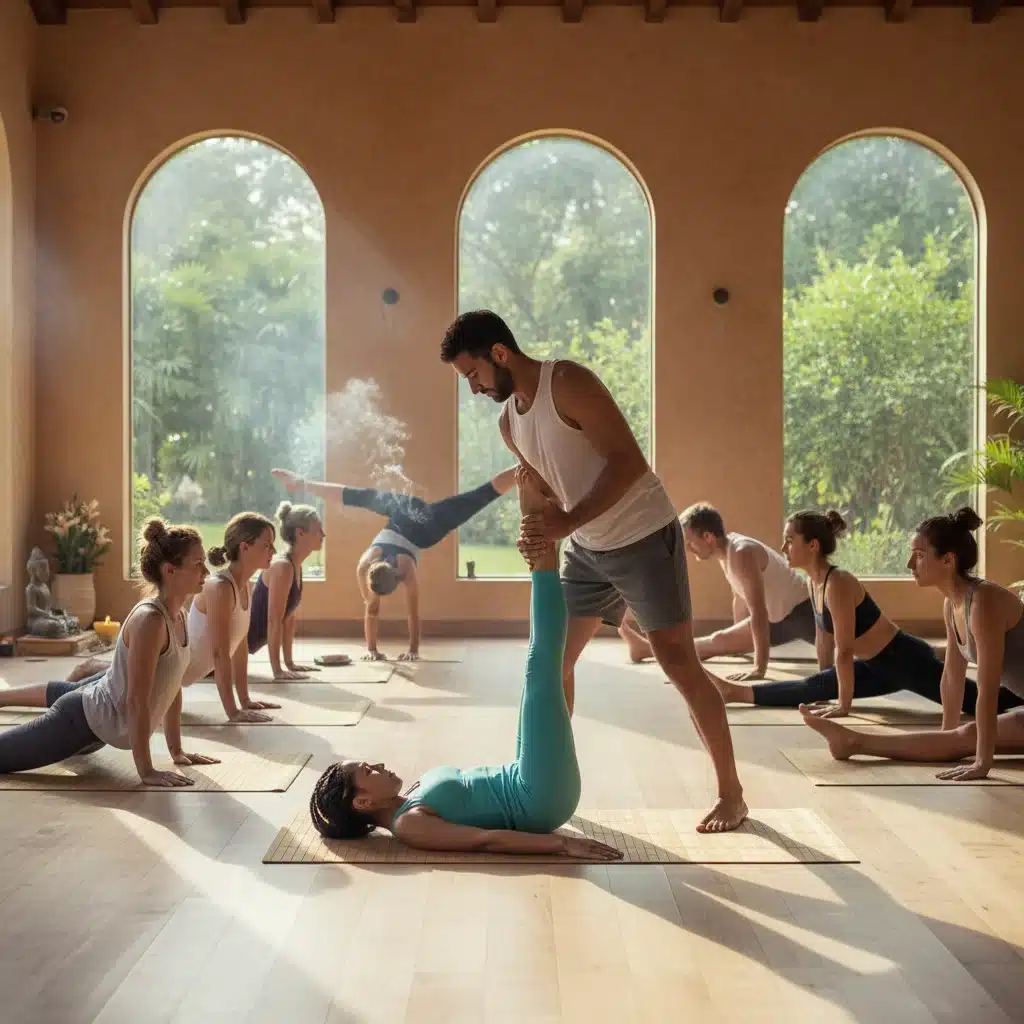
- Hold-Relax (HR): This is the most basic and widely used PNF technique. The muscle is passively stretched to its end range of motion and held for a short period. Then, the individual isometrically contracts the stretched muscle against resistance (often provided by a partner or object) for 5-10 seconds. Finally, the muscle is relaxed, and the stretch is deepened, often achieving a greater range of motion.
- Contract-Relax (CR): Similar to Hold-Relax, but instead of an isometric contraction, the individual performs a concentric contraction (shortening) of the stretched muscle against resistance. This is less common in a self-stretching yoga context but can be useful.
- Hold-Relax-Antagonist Contraction (HR-AC): This advanced technique combines the Hold-Relax method with the contraction of the opposing muscle group (antagonist). After the Hold-Relax phase, the individual actively contracts the antagonist muscle while moving deeper into the stretch. This utilizes reciprocal inhibition, where the contraction of one muscle group causes the relaxation of its opposing muscle group, allowing for an even deeper stretch.
Why Combine PNF Stretching with Yoga? The Synergy of Two Worlds
Yoga, with its emphasis on mindful movement, breath, and sustained postures, offers a holistic pathway to flexibility. It improves overall body awareness, strengthens supporting muscles, and cultivates a deeper connection between mind and body. PNF stretching, on the other hand, is a highly efficient tool for rapidly increasing specific muscle lengths. When these two are combined, the benefits are exponential.
Accelerated Flexibility Gains
The primary advantage of PNF stretching yoga is the speed at which flexibility can be improved. By effectively overriding the stretch reflex, PNF allows muscles to lengthen beyond what might be achievable with static stretching alone. When applied to yoga postures, this means you can enter deeper variations more quickly and safely, facilitating a more rapid progression in your practice. Studies suggest that PNF can lead to significantly faster and more substantial flexibility improvements compared to traditional static stretching, with some research indicating gains up to 15% faster.
Enhanced Body Awareness and Control
The active engagement required in PNF stretching, particularly the contraction phases, heightens proprioception – your body’s sense of its position and movement in space. This increased awareness translates directly into your yoga practice, allowing for more precise alignment, better muscle engagement, and a deeper understanding of your body’s capabilities and limitations. You’ll not only become more flexible but also more in tune with your physical self.
Injury Prevention and Rehabilitation
Improved flexibility from PNF stretching yoga reduces muscle stiffness and increases joint range of motion, which are crucial factors in preventing injuries. By systematically lengthening tight muscles, you can correct muscular imbalances that often lead to pain and injury. Furthermore, PNF is a recognized therapeutic technique, making its integration into a gentle yoga practice beneficial for those recovering from certain injuries, under the guidance of a healthcare professional.
Deeper Access to Advanced Yoga Poses
Many advanced yoga asanas require significant flexibility in specific muscle groups, such as the hamstrings, hip flexors, shoulders, and spine. By using PNF techniques to target these areas, practitioners can unlock poses that once seemed impossible. Imagine achieving a full split, a deeper backbend, or a more open hip posture with greater ease and stability – this is the promise of PNF stretching yoga.
Integrating PNF into Your Yoga Practice: Practical Guidelines for 2026
Integrating PNF stretching into your yoga routine requires careful consideration and a mindful approach. It’s not about forcing your body, but rather intelligently guiding it towards greater flexibility. Here are some practical guidelines for 2026:
When to Apply PNF in Your Yoga Practice
- Warm-up is Crucial: Never perform PNF stretching on cold muscles. Always begin with a thorough warm-up, such as light cardio (e.g., sun salutations, dynamic stretches) for 5-10 minutes, to increase blood flow and muscle temperature.
- After Static Holds: PNF is most effective after a muscle has already been gently lengthened. Consider performing a few static holds in your yoga practice first, then apply PNF to deepen the stretch.
- Targeted Sessions: PNF can be integrated into a dedicated flexibility session separate from your main yoga practice, or as a specific segment within a longer yoga class focusing on a particular area (e.g., hip openers, hamstring stretches).
- Cool-down: While PNF is intense, a light PNF-inspired stretch can be part of a cool-down, followed by gentle static stretches.
Techniques for Self-PNF in Yoga
While PNF is often performed with a partner, many techniques can be adapted for self-stretching, especially within a yoga context. Here’s how you can apply the Hold-Relax method to common yoga-related stretches:
1. Hamstring Stretch (e.g., Paschimottanasana Prep or Supta Padangusthasana)
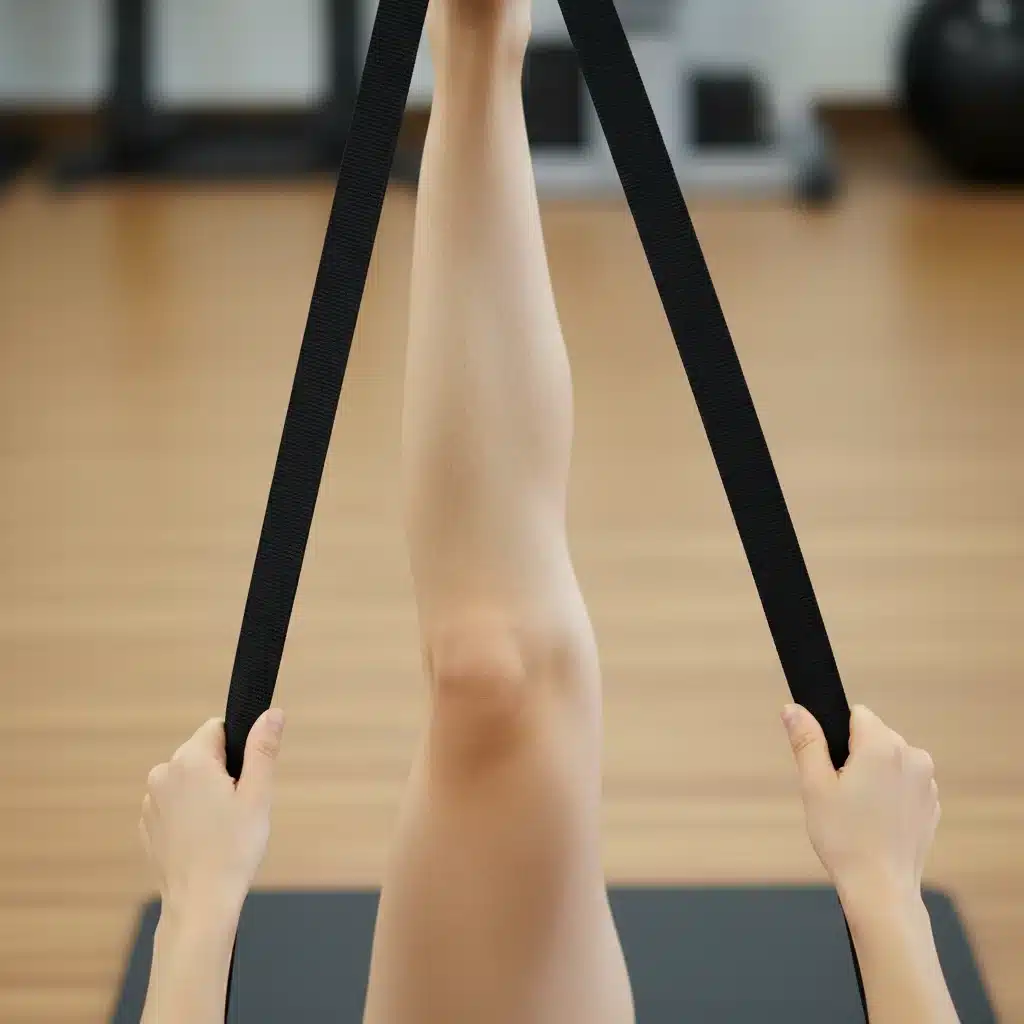
- Initial Stretch: Lie on your back and bring one knee towards your chest. Hold behind your thigh or calf (or use a strap around your foot) and gently extend the leg towards the ceiling until you feel a comfortable stretch in the hamstring. Hold for 20-30 seconds.
- Contract: From this stretched position, gently push your heel towards the ceiling as if trying to straighten your leg further, but resist the movement with your hands or strap. Engage your hamstring muscles for 5-7 seconds at about 20-50% of your maximum effort.
- Relax and Deepen: Release the contraction, exhale, and then gently pull your leg closer towards your head, deepening the stretch. Hold this new, deeper stretch for 20-30 seconds.
- Repeat 2-3 times on each leg.
2. Hip Flexor Stretch (e.g., Anjaneyasana Prep or Low Lunge)
- Initial Stretch: Come into a low lunge with your back knee on the ground. Ensure your front knee is stacked over your ankle. Gently push your hips forward and down until you feel a stretch in the front of the back hip. Hold for 20-30 seconds.
- Contract: From this position, gently press your back knee down into the ground, engaging your hip flexors and quadriceps, as if trying to drag your back knee forward (but don’t move it). Hold this contraction for 5-7 seconds.
- Relax and Deepen: Release the contraction, exhale, and then deepen the lunge by pressing your hips further forward and down. You should experience a greater range of motion. Hold for 20-30 seconds.
- Repeat 2-3 times on each side.
3. Inner Thigh/Groin Stretch (e.g., Baddha Konasana Prep or Upavistha Konasana)
- Initial Stretch: Sit with the soles of your feet together and knees out to the sides (Baddha Konasana). Gently press your knees towards the floor (or lean forward slightly in Upavistha Konasana). Hold for 20-30 seconds.
- Contract: Gently press your knees up towards the ceiling, resisting the movement with your hands or by engaging your adductor muscles. Hold for 5-7 seconds.
- Relax and Deepen: Release the contraction, exhale, and then allow your knees to fall further towards the floor, or deepen your forward fold. Hold for 20-30 seconds.
- Repeat 2-3 times.
Important Considerations for Safe PNF Stretching Yoga
- Listen to Your Body: PNF stretching can be intense. Never push into pain. A strong stretch sensation is normal, but sharp pain is a warning sign to stop.
- Gentle Contractions: The contraction phase should be sub-maximal (20-50% effort). You’re not trying to build strength, but to trigger the GTOs.
- Breath is Key: Use your breath to facilitate the stretch. Exhale as you deepen the stretch, and maintain steady, calm breathing throughout.
- Consistency Over Intensity: Regular, consistent PNF stretching yields better results than sporadic, overly intense sessions.
- Partner Assistance: If you have a trusted partner, PNF can be even more effective. Ensure clear communication and trust.
- Professional Guidance: If you have pre-existing injuries or conditions, consult with a physical therapist or a knowledgeable yoga instructor before incorporating PNF.
The Future of Flexibility: PNF Stretching Yoga in 2026 and Beyond
As our understanding of human physiology and movement science continues to evolve, the integration of specialized techniques like PNF into broader fitness practices like yoga will only grow. In 2026, we anticipate PNF stretching yoga becoming a staple for anyone serious about optimizing their flexibility and overall physical performance. The emphasis will shift from simply stretching to intelligently manipulating the body’s neurological responses to achieve superior results.
Personalized PNF Yoga Routines
With advancements in wearable technology and AI-driven fitness platforms, expect to see more personalized PNF stretching yoga routines. These platforms could analyze your current flexibility, identify specific tight areas, and generate customized PNF sequences tailored to your body’s unique needs and goals. This level of personalization will make PNF even more accessible and effective for the average practitioner.
Workshops and Specialized Certifications
The demand for qualified instructors who can safely and effectively teach PNF stretching within a yoga framework is on the rise. Look out for specialized workshops and certifications that focus on this hybrid approach. These programs will equip yoga teachers and fitness professionals with the expertise to guide students through advanced flexibility training, ensuring safety and maximizing benefits.
Research and Innovation
Ongoing research will continue to uncover new ways to optimize PNF application, potentially leading to even more efficient and targeted techniques. We might see innovations in tools and props designed to facilitate self-PNF, making it easier for individuals to perform these advanced stretches without a partner. The focus will remain on evidence-based practices that deliver measurable results.
Common Misconceptions About PNF and Yoga
Despite its benefits, PNF stretching sometimes comes with misconceptions, especially when considered alongside yoga. Let’s clarify a few:
- "PNF is only for athletes." While popular among athletes, PNF is beneficial for anyone looking to improve their flexibility, regardless of their fitness level. Its rehabilitative origins attest to its safety and efficacy for a broad audience.
- "PNF is dangerous or causes injury." When performed correctly, with proper warm-up and mindful engagement, PNF is a very safe and effective method. Injuries typically arise from pushing too hard, using excessive force, or neglecting a proper warm-up.
- "PNF replaces traditional yoga stretching." PNF is a complementary technique, not a replacement. It works best when integrated into a holistic practice like yoga, which offers a balance of strength, balance, and mindfulness that PNF alone does not provide.
- "You need a partner for PNF." While a partner can enhance PNF, many effective self-PNF techniques exist, as demonstrated in this guide. Straps, walls, and even your own hands can provide the necessary resistance.
Maximizing Your Flexibility Journey with PNF Stretching Yoga
To truly maximize your flexibility gains with PNF stretching yoga, consider these additional tips:
- Hydration and Nutrition: Adequate hydration keeps tissues pliable, and a balanced diet supports muscle repair and overall health, both crucial for flexibility.
- Mind-Body Connection: Continue to cultivate the mindful awareness that yoga teaches. This helps you listen to your body’s signals during PNF, preventing overstretching and promoting deeper relaxation.
- Recovery: Allow your muscles time to recover. PNF stretching can be intense, so ensure you’re getting enough rest and incorporating recovery techniques like foam rolling or gentle massage.
- Set Realistic Goals: While PNF offers faster gains, flexibility is still a journey. Celebrate small improvements and avoid comparing your progress to others.
- Incorporate Variety: Don’t just stick to PNF. Combine it with dynamic stretching, static stretching, and strength training to build a well-rounded and resilient body.
Conclusion: Embrace the Future of Flexibility with PNF Stretching Yoga
The integration of PNF stretching into your yoga practice represents a significant evolution in flexibility training. By leveraging the body’s intricate neurological responses, PNF offers a scientifically-backed method to unlock deeper ranges of motion, accelerating your flexibility gains by up to 15%. This powerful synergy not only enhances physical capabilities but also deepens body awareness, aids in injury prevention, and opens the door to advanced yoga postures.
As we move further into 2026 and beyond, the intelligent fusion of PNF and yoga will undoubtedly become a cornerstone for individuals seeking to optimize their physical potential. Embrace this innovative approach, practice mindfully, and prepare to embark on a journey towards unprecedented levels of flexibility, strength, and well-being. Your body will thank you for it.