Mastering Stress: 7 Advanced Techniques for Chronic Stress Relief in 2026

In our increasingly fast-paced and demanding world, chronic stress has become an unwelcome companion for far too many. It’s no longer just a fleeting inconvenience; it’s a persistent force that erodes our physical health, mental clarity, and emotional well-being. While basic relaxation techniques like deep breathing and warm baths certainly have their place, the landscape of stress management is evolving. As we move further into 2026, the need for more sophisticated, evidence-based strategies to achieve chronic stress relief becomes paramount. This article aims to guide you beyond the superficial and into a realm of advanced techniques designed to offer profound and lasting chronic stress relief.
We’re not just talking about temporary fixes. We’re exploring methods that address the root causes of stress, reshape our physiological responses, and build resilience from the inside out. If you’ve tried the usual suggestions and still find yourself grappling with the pervasive grip of chronic stress, then this deep dive into advanced techniques is specifically for you. Prepare to discover practical, actionable strategies that can transform your relationship with stress and empower you to reclaim your peace of mind and vitality.
Understanding the Pervasive Nature of Chronic Stress
Before we delve into the solutions, it’s crucial to understand what distinguishes chronic stress from acute stress. Acute stress is our body’s immediate, fight-or-flight response to a perceived threat – a sudden deadline, a near-miss in traffic. It’s beneficial, helping us react quickly and efficiently. Chronic stress, however, is the prolonged and repeated activation of this stress response, often without a clear, immediate threat. It’s the constant worry about finances, the never-ending work pressure, or ongoing relationship difficulties. This sustained activation keeps our bodies in a perpetual state of alert, leading to a cascade of negative health consequences.
The Silent Saboteur: How Chronic Stress Impacts Your Body and Mind
The impact of chronic stress is far-reaching. Physiologically, it can lead to elevated cortisol levels, inflammation, impaired immune function, high blood pressure, and increased risk of cardiovascular disease. Mentally, it manifests as anxiety, depression, difficulty concentrating, memory problems, and irritability. Emotionally, it can lead to feelings of overwhelm, hopelessness, and burnout. Recognizing these signs is the first step towards seeking effective chronic stress relief.
The challenge with chronic stress is that it often becomes normalized. We adapt to living with a low-grade hum of anxiety, mistaking it for the new normal. This makes it harder to identify and address, allowing it to silently undermine our health and happiness. Our goal is to break this cycle, moving beyond mere coping mechanisms to genuine, transformative techniques for lasting relief.
Technique 1: Biofeedback and Neurofeedback Training
Moving beyond simple breathing exercises, biofeedback and neurofeedback offer a scientific, data-driven approach to chronic stress relief. These techniques leverage technology to help you gain conscious control over involuntary bodily functions that are often dysregulated by stress.
Biofeedback: Tuning into Your Body’s Signals
Biofeedback involves using sensors to monitor physiological responses such as heart rate, muscle tension, skin temperature, and sweat gland activity. These readings are then displayed in real-time on a screen, allowing you to see how your body reacts to stress and relaxation. For instance, you might see your heart rate decrease as you practice a relaxation technique. The immediate visual feedback empowers you to learn how to consciously alter these responses. Over time, with consistent practice, you can train your body to maintain a more relaxed state even without the equipment. This is particularly effective for stress-related conditions like migraines, anxiety, and hypertension, offering a powerful avenue for chronic stress relief.
Neurofeedback: Reshaping Your Brainwaves for Calm
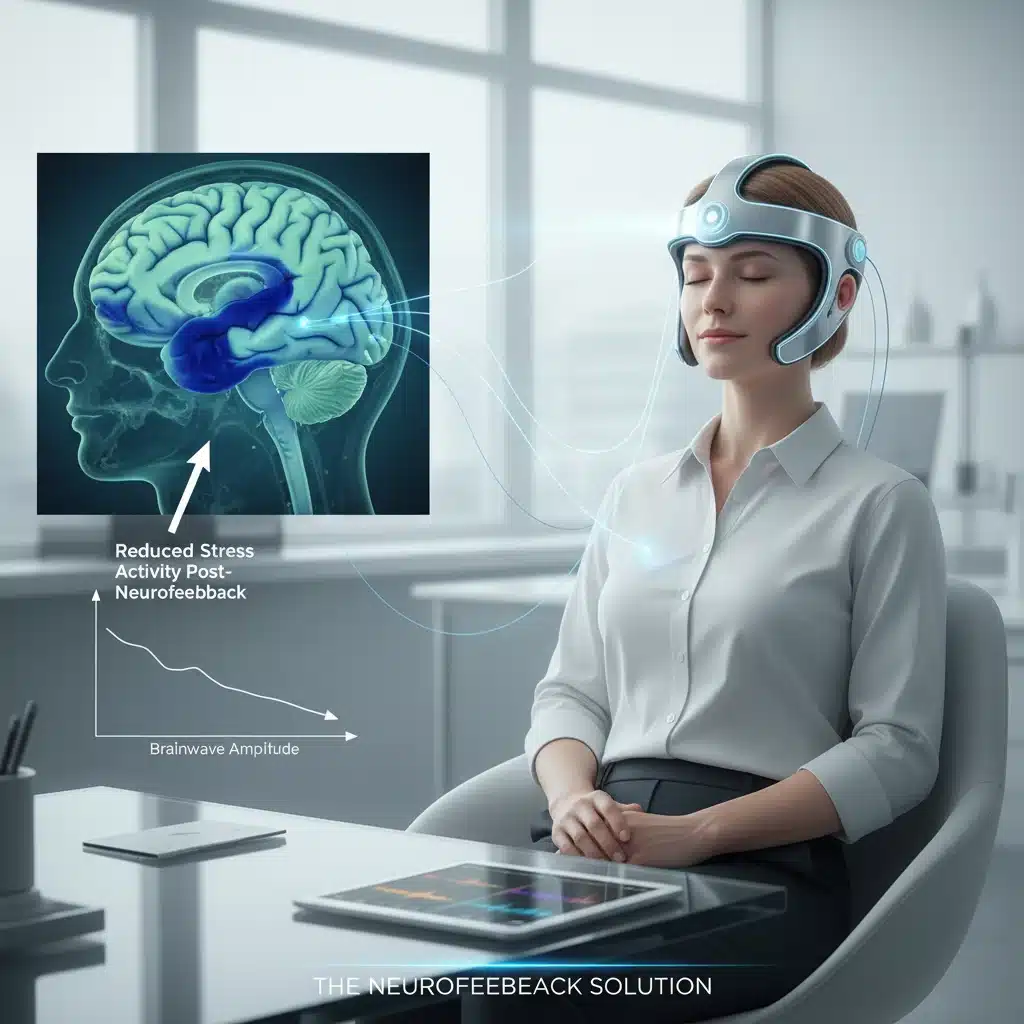
Neurofeedback, a specialized form of biofeedback, focuses specifically on brainwave activity. Electrodes placed on the scalp monitor your brainwaves (e.g., alpha, beta, theta, delta), which are then translated into an audio or visual display. For example, you might play a video game using only your brainwaves, where the game progresses when your brain produces desired patterns (like more alpha waves associated with calm) and slows down when stress-related patterns (like high beta waves) increase. This direct feedback allows your brain to learn to self-regulate, shifting towards healthier, calmer patterns. It’s a non-invasive way to retrain your brain, proving highly effective for conditions like anxiety, ADHD, and even chronic pain, providing a sophisticated path to chronic stress relief.
Both biofeedback and neurofeedback require guidance from a trained professional initially, but the skills learned can be integrated into daily life, providing long-term benefits for stress management.
Technique 2: Heart Rate Variability (HRV) Training
Heart Rate Variability (HRV) training is an increasingly popular and powerful tool for chronic stress relief. Unlike simple heart rate, which measures how many times your heart beats per minute, HRV measures the tiny fluctuations in the time intervals between successive heartbeats. A higher, more variable HRV generally indicates a healthier, more resilient nervous system that can adapt effectively to stress. A lower HRV often correlates with chronic stress, anxiety, and an overactive sympathetic (fight-or-flight) nervous system.
Optimizing Your Autonomic Nervous System
HRV training involves using specialized devices (often wearable sensors or apps) that monitor your HRV in real-time. The goal is to learn to consciously influence your breathing patterns to increase your HRV. Typically, this involves slow, rhythmic breathing at a specific resonant frequency (often around 5-6 breaths per minute). As you breathe in and out at this optimal pace, you send signals to your vagus nerve, which in turn stimulates your parasympathetic (rest and digest) nervous system. This helps to balance the autonomic nervous system, moving it away from a constant state of hyperarousal caused by chronic stress.
Regular HRV training can lead to significant improvements in emotional regulation, focus, sleep quality, and overall resilience to stress. It provides a tangible metric for your progress and empowers you to actively cultivate a state of calm and balance, making it an indispensable technique for chronic stress relief.
Technique 3: Acceptance and Commitment Therapy (ACT)
While many techniques focus on reducing or eliminating stress, Acceptance and Commitment Therapy (ACT) offers a different, yet highly effective, paradigm for chronic stress relief. Instead of fighting against difficult thoughts and feelings, ACT encourages psychological flexibility – the ability to be present, open to experience, and act in alignment with your values, even when faced with internal discomfort.
Embracing Discomfort, Committing to Values
ACT is built on six core processes:
- Acceptance: Actively opening up to unpleasant private experiences (thoughts, feelings, bodily sensations) rather than trying to avoid or suppress them. This doesn’t mean condoning them, but acknowledging their presence without judgment.
- Cognitive Defusion: Learning to observe thoughts as just thoughts, rather than literal truths or commands. This helps to detach from unhelpful thought patterns often intensified by chronic stress.
- Being Present: Engaging fully in the here and now, which often involves mindfulness practices to observe and experience the present moment without getting caught up in worries about the past or future.
- Self as Context: Developing a sense of self as a stable observer, separate from ever-changing thoughts, feelings, and sensations.
- Values: Clarifying what truly matters to you in life – your deepest desires for how you want to live and what kind of person you want to be.
- Committed Action: Taking effective action guided by your values, even in the presence of difficult thoughts and feelings.
By fostering these processes, ACT helps individuals stop the exhausting struggle against internal experiences and instead invest their energy in living a rich, meaningful life. This shift in perspective and behavior is incredibly powerful for achieving profound chronic stress relief, as it changes your relationship with stress itself, rather than just trying to eliminate it.
Technique 4: Adaptogens and Nootropics for Stress Resilience
In the quest for advanced chronic stress relief, a growing number of individuals are exploring the potential of adaptogens and nootropics. These natural compounds, often derived from plants, are gaining recognition for their ability to enhance the body’s resilience to stress and improve cognitive function.
Adaptogens: Nature’s Stress Balancers
Adaptogens are a unique class of herbs and mushrooms that help the body adapt to various stressors – physical, chemical, or biological – by normalizing physiological functions. They don’t target a specific organ or system but instead work to restore overall balance (homeostasis). Key adaptogens include:
- Ashwagandha: Known for reducing cortisol levels, improving sleep, and calming anxiety.
- Rhodiola Rosea: Helps combat fatigue, improves mental performance, and enhances stress resistance.
- Ginseng (Panax Ginseng): Boosts energy, enhances cognitive function, and strengthens the immune system, all of which can be depleted by chronic stress.
- Holy Basil (Tulsi): Supports a healthy stress response, reduces inflammation, and offers antioxidant benefits.
- Cordyceps: Enhances energy, stamina, and resilience to stress.
By incorporating adaptogens, you can help your body better cope with the demands of daily life, reducing the physiological burden of chronic stress and fostering a greater sense of well-being.
Nootropics: Enhancing Brain Function Under Pressure
Nootropics, often referred to as ‘smart drugs’ or cognitive enhancers, are substances that can improve cognitive function, particularly executive functions, memory, creativity, or motivation, in healthy individuals. While not directly stress-reducers, certain nootropics can support the brain’s ability to perform optimally even under stressful conditions, thereby indirectly contributing to chronic stress relief. Examples include:
- L-Theanine: Found in green tea, it promotes relaxation without drowsiness and can reduce the jittery effects of caffeine, fostering a calm focus.
- Creatine: While known for muscle building, it also supports brain energy metabolism, which can be beneficial during periods of mental fatigue induced by stress.
- Bacopa Monnieri: An Ayurvedic herb known for improving memory and cognitive processing, helping to counteract the ‘brain fog’ associated with chronic stress.
It’s crucial to consult with a healthcare professional before incorporating adaptogens or nootropics into your routine, as they can interact with medications and may not be suitable for everyone. However, when used judiciously, they can be valuable allies in the advanced pursuit of chronic stress relief.
Technique 5: Somatic Experiencing (SE) and Trauma-Informed Practices
For many, chronic stress isn’t just a reaction to current demands; it’s deeply intertwined with past experiences, particularly trauma. Somatic Experiencing (SE) and other trauma-informed practices offer a powerful, body-centered approach to chronic stress relief by addressing the physiological imprints of overwhelming events.
Releasing Trapped Energy: The Core of Somatic Experiencing
Somatic Experiencing, developed by Dr. Peter Levine, is a therapeutic approach that focuses on the body’s innate ability to heal from trauma. When we experience a traumatic or highly stressful event, our body’s natural fight, flight, or freeze responses can become incomplete. The immense energy mobilized for survival gets ‘stuck’ in the nervous system, leading to a range of symptoms including chronic stress, anxiety, panic attacks, and physical ailments.
SE gently guides individuals to become aware of their bodily sensations (somatic sensations) related to stress and trauma. Instead of reliving the event, the focus is on tracking these sensations in a safe, titrated (small, manageable doses) manner. This allows the body to gradually discharge the trapped energy and complete the thwarted responses. Through a process called ‘pendulation’ (alternating between states of arousal and calm) and ‘titration’ (slowly processing small pieces of sensation), the nervous system learns to self-regulate, restoring its natural rhythm and enhancing resilience. This process can be profoundly effective for deep and lasting chronic stress relief, especially when other methods have fallen short.
Trauma-Informed Mindfulness and Movement
Beyond formal SE sessions, integrating trauma-informed principles into daily practices can also be immensely beneficial. This includes:
- Trauma-Sensitive Yoga: Focuses on choice, present-moment experience, and interoception (awareness of internal bodily states) to help individuals reconnect with their bodies in a safe and empowering way.
- Mindfulness with a Trauma Lens: Emphasizes grounding techniques and gentle awareness rather than intense focus, allowing individuals to observe sensations without being overwhelmed.
- Safe Movement Practices: Engaging in activities like walking, dancing, or tai chi with an emphasis on bodily awareness and gentle release of tension, rather than pushing through discomfort.
Working with a qualified Somatic Experiencing practitioner or a trauma-informed therapist is crucial for these advanced techniques, as they provide the necessary guidance and safety to navigate potentially challenging internal experiences. By addressing the physiological roots of stress and trauma, these practices offer a pathway to holistic and sustainable chronic stress relief.
Technique 6: Therapeutic Use of Nature (Forest Bathing & Ecotherapy)
While often overlooked in a technology-driven world, reconnecting with nature offers profound and scientifically-backed benefits for chronic stress relief. Beyond a simple walk in the park, therapeutic approaches like Forest Bathing (Shinrin-yoku) and Ecotherapy embrace nature as a powerful healing modality.
Forest Bathing (Shinrin-yoku): Immersing in Nature’s Embrace
Originating in Japan, Forest Bathing is not about hiking or exercise; it’s about mindfully immersing oneself in the atmosphere of the forest. It involves slow, deliberate walks, engaging all five senses to connect with the natural environment. This can include:
- Taking deep breaths of the forest air, rich in phytoncides (airborne chemicals emitted by trees that have antimicrobial properties and can boost immune function).
- Listening to the sounds of rustling leaves, birdsong, and flowing water.
- Observing the textures of bark, the patterns of light and shadow, and the vibrant colors of flora.
- Feeling the earth beneath your feet and the breeze on your skin.
Research has shown that Forest Bathing can significantly lower cortisol levels, reduce blood pressure and heart rate, improve mood, and boost natural killer (NK) cell activity (a measure of immune function). This deliberate and sensory engagement with nature provides a powerful antidote to the constant overstimulation of modern life, offering a deeply restorative form of chronic stress relief.
Ecotherapy: Nature as a Co-Therapist
Ecotherapy is a broader term that encompasses a range of nature-based interventions, often facilitated by a mental health professional. It recognizes the inherent healing power of the human-nature connection. Ecotherapy can involve:
- Nature Walks with Therapeutic Intent: Structured walks designed to foster self-reflection, mindfulness, and connection to the environment.
- Horticultural Therapy: Engaging in gardening activities, which can reduce stress, improve mood, and provide a sense of purpose.
- Animal-Assisted Therapy: Interacting with animals in nature, which can lower anxiety and provide comfort.
- Wilderness Therapy: More intensive programs that use outdoor expeditions to promote personal growth and resilience.
The core principle is that our well-being is intrinsically linked to the health of the planet. By fostering a deeper connection with nature, we not only gain perspective on our stressors but also tap into an ancient source of calm and renewal. Integrating therapeutic nature experiences into your routine can be a transformative approach to achieving sustained chronic stress relief.

Technique 7: Personalized Stress Resilience Programs (Data-Driven Approach)
As technology advances, so does our ability to understand and combat chronic stress on an individual level. Personalized Stress Resilience Programs represent the cutting edge of chronic stress relief, leveraging data and tailored interventions for maximum effectiveness.
The Power of Biometric Data and AI
These advanced programs often begin with a comprehensive assessment of your unique physiological and psychological stress responses. This might involve:
- Wearable Tech Integration: Continuous monitoring of metrics like HRV, sleep patterns, activity levels, and even skin conductance through smartwatches and other devices.
- Biomarker Testing: Blood or saliva tests to measure cortisol levels, inflammatory markers, neurotransmitter balances, and genetic predispositions related to stress.
- Psychometric Assessments: Detailed questionnaires to understand your cognitive patterns, emotional regulation styles, and perceived stress levels.
Once this data is collected, AI-powered algorithms and human experts analyze patterns to identify your specific stress triggers, physiological vulnerabilities, and existing coping mechanisms. This personalized insight is crucial because what causes stress and how it manifests can vary wildly from person to person. A generic approach to chronic stress relief often falls short because it doesn’t account for these individual differences.
Tailored Interventions and Adaptive Coaching
Based on your unique stress profile, a personalized program then designs a bespoke set of interventions. This might combine elements from several techniques discussed earlier, such as:
- Targeted Biofeedback/Neurofeedback Protocols: Specifically designed to address your unique brainwave or physiological dysregulations.
- Customized Mindfulness and Meditation Practices: Guided meditations or breathwork exercises tailored to your current emotional state and stress triggers.
- Nutritional and Supplement Recommendations: Based on your biomarker data and specific deficiencies that might exacerbate stress.
- Behavioral Coaching: Strategies for time management, boundary setting, and cognitive restructuring, delivered through digital platforms or one-on-one sessions.
- Optimized Sleep Hygiene: Personalized recommendations for improving sleep quality, a critical factor in stress resilience.
A key aspect of these programs is their adaptive nature. As your data changes, the program evolves. If your HRV improves, the focus might shift to maintaining that resilience. If sleep quality dips, the program might introduce new interventions. This continuous feedback loop ensures that your approach to chronic stress relief remains relevant and effective, maximizing your ability to build lasting resilience.
Integrating Advanced Techniques into Your Life for Lasting Chronic Stress Relief
Successfully implementing these advanced techniques for chronic stress relief requires more than just trying one or two in isolation. It involves a holistic and intentional approach, recognizing that true well-being is multifaceted. Here’s how you can integrate these powerful strategies into your daily life:
Start Small, Be Consistent
The sheer number of techniques can feel overwhelming. Don’t try to implement everything at once. Choose one or two techniques that resonate most with you and commit to consistent practice. For example, if you’re exploring HRV training, dedicate 10-15 minutes daily. If it’s ACT, perhaps begin by practicing cognitive defusion during a stressful moment. Consistency, even in small doses, builds momentum and makes these practices sustainable.
Seek Professional Guidance
Many of these advanced techniques, such as neurofeedback, Somatic Experiencing, and personalized resilience programs, are best undertaken with the guidance of a qualified professional. A therapist, coach, or medical practitioner specializing in these areas can provide expert assessment, tailored protocols, and crucial support, ensuring safety and maximizing effectiveness. They can help you navigate the nuances of each technique and integrate it appropriately into your overall health plan.
Listen to Your Body and Mind
Pay close attention to how your body and mind respond to each technique. What feels beneficial? What causes discomfort? The journey to chronic stress relief is highly individual. Some techniques may resonate more deeply with you than others. Be flexible, adjust your approach as needed, and trust your internal wisdom. Journaling can be an excellent tool for tracking your progress and insights.
Combine and Create Synergy
The beauty of these advanced techniques is that they can often complement each other. For instance, combining the mindful awareness cultivated through Forest Bathing with the physiological self-regulation learned in HRV training can create a powerful synergy for chronic stress relief. Similarly, using adaptogens to support your body’s stress response while engaging in ACT to shift your psychological relationship with stress can yield profound results. Experiment with different combinations to find what works best for your unique needs.
Prioritize Lifestyle Fundamentals
While these advanced techniques are powerful, they are most effective when built upon a foundation of healthy lifestyle practices. Ensure you are prioritizing adequate sleep, a balanced diet, regular physical activity, and strong social connections. These fundamentals are not just ‘basic’ – they are essential pillars that support your overall resilience and amplify the benefits of any advanced chronic stress relief strategy.
Conclusion: A New Era of Chronic Stress Relief
The journey to overcome chronic stress is not always easy, but it is profoundly rewarding. As we navigate the complexities of 2026 and beyond, relying solely on basic relaxation techniques may no longer be sufficient. By exploring and embracing these advanced strategies – from the data-driven precision of biofeedback and HRV training, to the psychological flexibility of ACT, the natural support of adaptogens, the deep healing of Somatic Experiencing, the restorative power of nature, and the tailored approach of personalized resilience programs – you equip yourself with a comprehensive toolkit for lasting chronic stress relief.
Remember, this is not about eliminating stress entirely, but about transforming your relationship with it. It’s about building resilience, fostering psychological flexibility, and empowering your body and mind to return to a state of balance and well-being. Take the brave step to explore these innovative paths. Invest in your peace of mind, and unlock a future where you not only manage stress but thrive in its presence. The tools are available; the time to reclaim your calm is now.